
Mediterranean food: Micro‑regions, myths and mistakes
 9 Min Read
Mediterranean food anchors a leading anti‑inflammatory diet; this guide links key foods, scientific findings, and easy recipes into a sustainable plan.
-
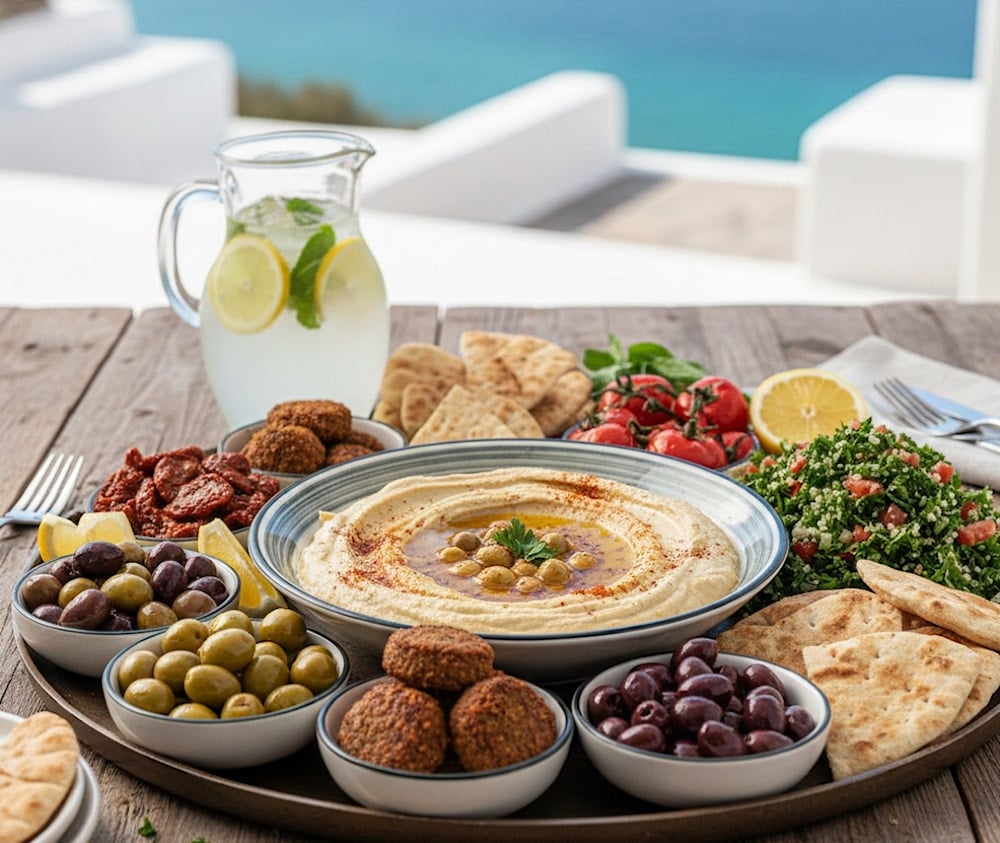
This picture shows an assortment of the most famous mediterranean foods. (AI-generated image)
The sound of olive oil gently hissing in a pan, the scent of crushed garlic meeting heat, and a table laden with rough-cut tomatoes and crusty bread; this sensory vignette defines the culinary heritage of the Mediterranean basin. Yet, beyond the romance of coastal villages, Mediterranean food represents a rigorously studied dietary pattern that has consistently dominated global health rankings.
In 2024, the US News & World Report once again named it the best overall diet, a testament to its enduring relevance. Policymakers and physicians prioritize this way of eating not for its marketing allure, but for its documented capacity to support longevity and reduce chronic disease risk.
Strictly defined, this is not a monolithic cuisine but a collection of traditional eating habits from countries bordering the Mediterranean Sea. It is characterized by a high consumption of plant-based foods, healthy fats (primarily olive oil), and a moderate intake of fish and poultry, with red meat appearing only rarely. While modern supermarket shelves are crowded with products bearing the "Mediterranean" label, the authentic pattern is rooted in unprocessed ingredients and cultural continuity.
How experts define Mediterranean food today
Nutrition researchers and public health bodies view Mediterranean food less as a menu and more as a dietary pattern. Unlike fad diets that prescribe rigid calorie counts or eliminate entire food groups, this approach emphasizes the frequency and quality of consumption. Major studies, such as the landmark PREDIMED trial, define the diet by the omnipresence of extra virgin olive oil and nuts alongside vegetable-centric meals.
It is a framework that prioritizes whole foods over industrial formulations, reflecting the agrarian traditions of the mid-20th century rather than the convenience-driven options found in modern tourist hubs.
What foods are in the Mediterranean diet? Core ingredients and eating patterns
For individuals seeking clarity on what foods are in the Mediterranean diet, the answer lies in the foundation of the pyramid rather than its peak. It is helpful to visualize the pattern not as a strict rulebook, but as tiers of frequency.
Every Day: The base consists of vegetables, fruits, whole grains (such as barley, farro, and whole wheat), legumes (beans, lentils, chickpeas), nuts, seeds, herbs, and spices. Olive oil is the principal source of added fat, used liberally for cooking and dressing.
Moderate Consumption (Weekly): Fish and seafood are prioritized, eaten at least twice a week. Fermented dairy products like yogurt and traditional cheese, as well as poultry and eggs, are consumed in moderation.
Rare Occasions: Red meat and sweets are reserved for special events or used sparingly as flavor enhancers rather than centerpieces.
A typical lunch might not be a heavy pasta dish, but rather a lentil stew served with bitter greens and a slice of whole-grain bread. Variety is paramount; the pattern relies on the synergistic effect of diverse nutrients rather than a single "superfood."
Plant-forward, not vegetarian: understanding the balance
While the pattern is undeniably plant-forward, it is not strictly vegetarian. Historical records show that coastal populations relied on the sea, while inland communities utilized sheep and goats for dairy and occasional meat. The distinction lies in proportion. Animal protein is often treated as a side dish or a seasoning (bits of cured meat flavoring a pot of beans) rather than the main event. For families accustomed to steak-centered dinners, the shift involves altering the ratio on the plate rather than removing meat entirely.
Traditional eating habits beyond the ingredient list
The context of consumption is as vital as the ingredients themselves. In many Mediterranean communities, meals are communal events, contrasting sharply with the solitary, hurried eating often seen in professional settings today. Emerging evidence suggests that eating socially and slowly contributes to satiety and better regulation of intake. It is the difference between consuming a sandwich at a desk and sharing several small plates, meze or tapas, with family, where conversation dictates the pace of the meal.
Health benefits of Mediterranean food: what the science actually shows
The scientific consensus regarding the health benefits of Mediterranean food is robust, yet it requires careful interpretation to distinguish proven outcomes from marketing hyperbole. Research suggests that this pattern is a powerful tool for preventive health.
Heart Health: Extensive studies link adherence to a significantly reduced risk of cardiovascular events, including heart attack and stroke.
Longevity: Data indicate a correlation with lower all-cause mortality, with some studies showing a 23% reduction in risk for strict adherents.
Cognitive Function: Emerging research points to protective benefits against cognitive decline and Alzheimer’s disease.
It is crucial to note that these statistics reflect long-term patterns, not immediate cures. The benefits likely stem from the cumulative effect of reduced saturated fats and increased bioactive compounds, rather than any single meal.
Why is it considered an anti-inflammatory way of eating
Chronic inflammation is often described as a low, smoldering fire within the body, contributing to conditions like type 2 diabetes and arthritis. The Mediterranean diet mitigates this through its nutrient density. High intakes of fiber, antioxidants from colorful produce, and anti-inflammatory monounsaturated fats from olive oil work in concert to dampen inflammatory markers. By displacing ultra-processed foods high in refined sugars, the diet removes the fuel that often stokes this physiological fire.
Limits of the evidence and what it cannot promise
Transparency is essential: no diet guarantees immunity from disease. Genetic factors, physical activity, and environmental stressors play significant roles in health outcomes. Furthermore, "Mediterranean" is a broad term, and studies vary in how strictly they define adherence. While the evidence is compelling, it is a tool for risk reduction, not a magic shield. Readers should view these findings as strong guidelines for improvement rather than absolute promises of longevity.
Micro-regions within Mediterranean food: from Cretan tables to coastal North Africa
The term "Mediterranean diet" often flattens a rich tapestry of regional cuisines into a generic concept. In reality, Mediterranean food varies dramatically across micro-regions.
In a mountain village in Crete, the table might feature wild bitter greens (horta) and rusks soaked in oil, reflecting a reliance on foraging and preservation. Conversely, a coastal city in Tunisia might center meals around couscous steamed over vegetable broth, flavored with harissa and preserved lemons. These distinctions matter. Recognizing the specific traditions of the Levant, Southern Italy, the Maghreb, and the Balkans prevents cultural erasure and offers cooks a wider palette of flavors. It reminds us that there is no single "correct" way to eat Mediterranean, but rather a shared philosophy expressed through local ingredients.
How micro-regional traditions fit the broader Mediterranean food pattern
Despite these differences, the underlying architecture remains consistent. Whether the carbohydrate source is pasta in Puglia or bulgur in Lebanon, the meal structure prioritizes plants. Whether the flavor profile relies on basil and parmesan or cilantro and cumin, the reliance on fresh herbs to reduce salt intake is universal. These micro-regions demonstrate that the principles of the diet are adaptable, proving that health and heritage can flourish in diverse culinary soils.
Easy Mediterranean food recipes for beginners: practical ideas, not perfection
For the home cook facing a busy Tuesday evening, the goal is functional nutrition rather than gourmet replication. Easy Mediterranean recipes for beginners should rely on pantry staples and simple assembly.
Quick Pantry Salads: Combine drained canned chickpeas with chopped cucumbers, tomatoes, dried oregano, and a generous dressing of olive oil and vinegar.
Grain Bowls: Top leftover brown rice or farro with roasted vegetables and a dollop of yogurt or hummus.
One-Pan Bakes: Arrange white fish fillets and cherry tomatoes on a baking sheet, drizzle with oil, and roast until tender.
These meals require minimal skill but deliver maximum adherence to the dietary pattern. They allow households to pivot away from processed convenience foods without demanding hours in the kitchen.
Common Mediterranean diet mistakes to avoid (and how to stay authentic)
-
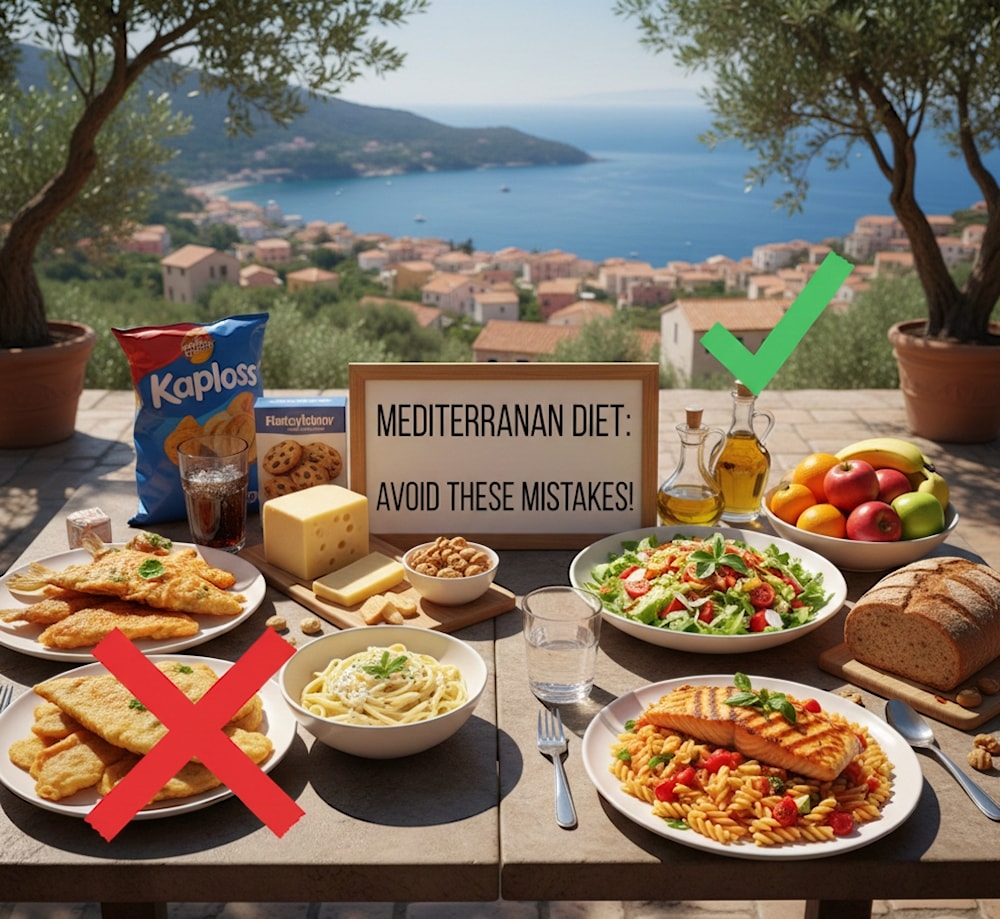
Mediterranean diet mistakes to avoid
As with any popular trend, misconceptions abound. Avoiding common Mediterranean diet mistakes requires a critical eye toward marketing versus reality.
- Mistake 1: The "Health Halo" Effect. Assuming that chips fried in olive oil or highly processed veggie straws are healthy. Instead: Choose whole, minimally processed versions.
- Mistake 2: Unlimited Portion Sizes. While fats are healthy, they are energy-dense. Consuming unlimited nuts and oil can lead to a caloric surplus. Instead: Use these foods as integral parts of a meal, not mindless snacks.
- Mistake 3: Neglecting the Base. Eating a steak dinner with a side salad is not Mediterranean. Instead, flip the ratio so vegetables cover half the plate.
Authenticity is found in the ingredient list, not the packaging graphics. Small, consistent adjustments are more effective than purchasing expensive, branded "diet" products.
Reading labels and menus with a critical eye
When shopping or dining out, skepticism is a healthy habit. A menu item labeled "Mediterranean Chicken" that arrives smothered in heavy cream and sodium contradicts the heart-healthy premise of the diet. In the supermarket, checking labels for added sugars in tomato sauces or refined oils in dressings helps maintain integrity. The rule of thumb is simplicity: the closer the food is to its original state, the more likely it is to fit the pattern.
Putting it together: how to start eating more Mediterranean food today
Adopting this lifestyle does not require a sudden overhaul of one's identity or kitchen. It begins with modest, strategic shifts. Start by dedicating one meal a day to being fully plant-based. Swap butter for olive oil in cooking. Replace a refined grain side dish with a whole grain or legume. These steps, taken consistently, build a sustainable habit. Mediterranean food is ultimately a way of eating that treats meals as both nourishment and culture, shaped by specific places and people. It invites people to slow down and value the quality of what sustains them.


