
Pilgrims perform stoning of Jamarat on first day of Eid al-Adha
 3 Min Read
Muslim pilgrims stone the Jamarat in Mina at dawn on the first day of Eid al-Adha, completing the ritual as part of the annual Hajj pilgrimage.
-
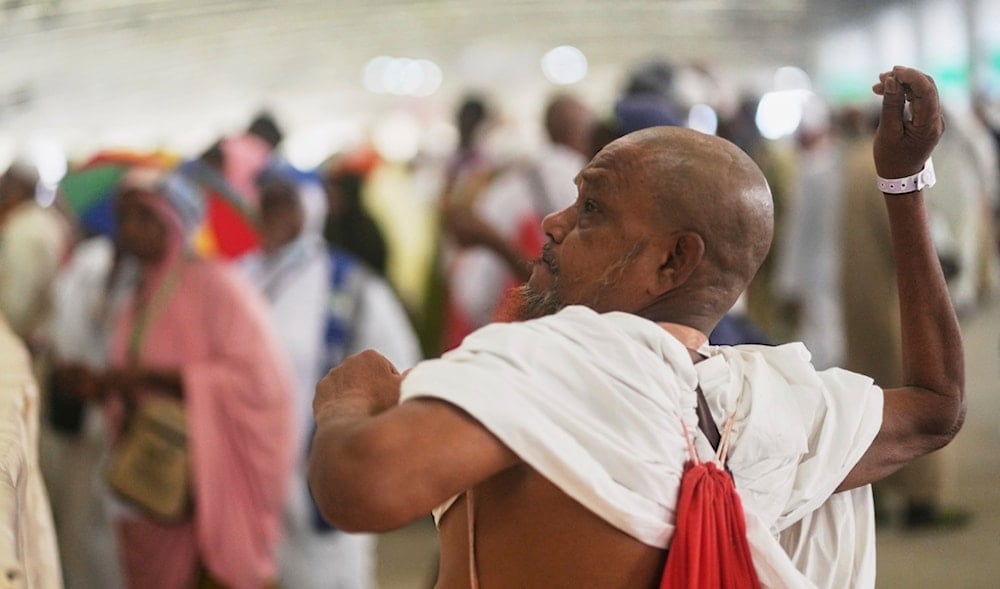
A Muslim pilgrim casts stones at pillars in the symbolic stoning of the devil, the last rite of the annual Hajj, in Mina near the holy city of Mecca, Saudi Arabia, Saturday, June 7, 2025. (AP Photo/Amr Nabil)
Muslim pilgrims performed the stoning of the Jamarat in Mina at dawn Wednesday, the first day of Eid al-Adha, casting seven pebbles at the pillar of al-Aqabah as part of the annual Hajj pilgrimage.
The ritual followed the overnight transition through Hajj's sequential stages. On Tuesday evening, pilgrims completed the standing at Arafat, the central pillar of the pilgrimage, before moving to Muzdalifah, an open plain between Arafat and Mina.
The Saudi Ministry of Hajj and Umrah confirmed pilgrims had settled in Muzdalifah, where they performed the combined Maghrib and Isha prayers and collected the small pebbles used in the stoning ritual.
After spending the night there, pilgrims headed to Mina following the dawn prayer.
The stoning ritual
The stoning of Jamarat, or Stoning of the Devil, is one of the obligatory rites of Hajj. It commemorates the Prophet Ibrahim's rejection of the devil, who, according to Islamic tradition, appeared to him at the site now marked by three stone pillars in Mina.
Pilgrims cast seven pebbles at each pillar, with the Major Jamarat of al-Aqabah stoned first on the Day of Sacrifice.
The Saudi Press Agency reported orderly movement inside the Jamarat facility, with pilgrims moving through designated levels and pathways without overcrowding. Security, medical, civil defense, and sanitation teams were deployed across the Jamarat Bridge and its entry and exit points.
Remaining rites
After the stoning, pilgrims proceed with the remaining rites of Yawm al-Nahr, the Day of Sacrifice. These include the Hady, the slaughter of a livestock animal in commemoration of Ibrahim's willingness to sacrifice his son, followed by shaving or trimming the hair, which marks a partial exit from the state of ritual consecration known as Ihram.
Pilgrims then travel to the Grand Mosque in Mecca to perform seven circumambulations of the Kaaba considered an essential pillar of Hajj, before returning to Mina.
Over the following days, known as the Days of Tashreeq, pilgrims stone all three Jamarat daily.
The pilgrimage concludes with Tawaf al-Wada, the farewell circumambulation of the Kaaba, before pilgrims depart Makkah.
Saudi Arabia's General Authority for Statistics recorded 1,707,201 pilgrims this year. Of these, 1,546,655 arrived from outside the Kingdom, while 160,646 were domestic pilgrims, including Saudi citizens and residents.


