
UNESCO lists Lebanese castles, Sebastia as endangered heritage
 3 Min Read
UNESCO has placed five historic castles in southern Lebanon and the Sebastia archaeological site in the occupied West Bank on its endangered heritage list due to Israeli attacks, occupation, and land-expropriation plans.
-
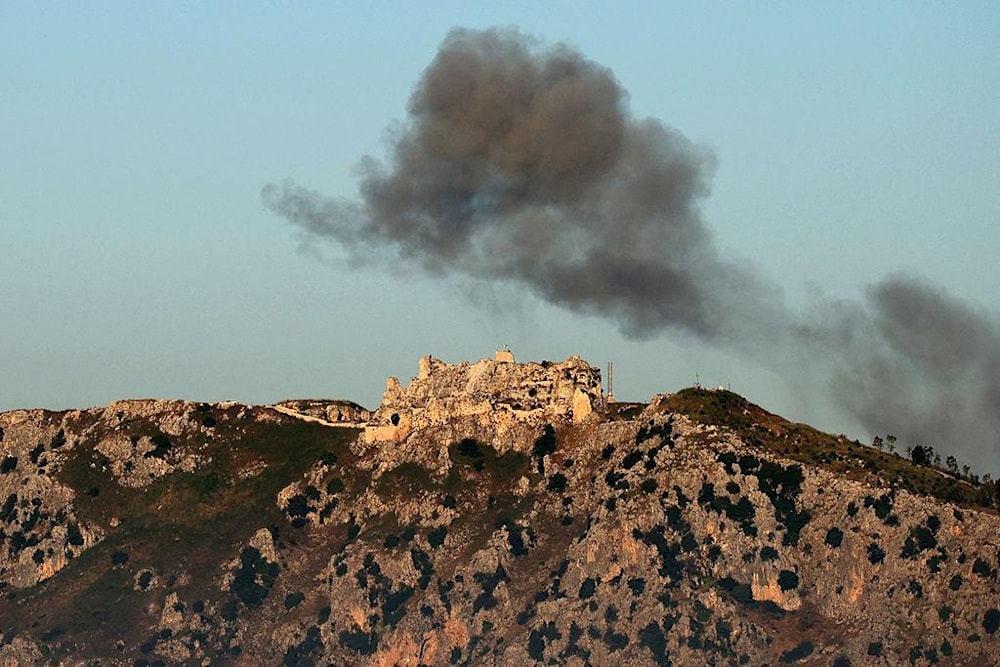
Smoke flying above the medieval al-Shaqif Fortress, in Arnoun, Southern Lebanon (AFP)
UNESCO has added a group of historic fortresses in southern Lebanon and the archaeological site of Sebastia in the occupied West Bank to its List of World Heritage in Danger, citing damage, military threats, and Israeli projects that could permanently alter the protected locations.
The decision covers five castles across Lebanon’s Jabal Amel region, including Beaufort Castle, also known as al-Shaqif Fortress, which Israeli occupation forces seized during their invasion of Southern Lebanon in May.
The mountainous region has been subjected to repeated Israeli attacks during the ongoing war on Lebanon, leaving several historic structures damaged or inaccessible to Lebanese authorities.
UNESCO said the castles faced threats “serious enough to justify resorting to an emergency procedure," allowing the agency to accelerate international protection efforts.
Lebanon welcomes emergency designation
Lebanese Culture Minister Ghassan Salame described the decision as “a remarkable achievement in the effort to protect these important Lebanese historical landmarks."
Salame said the Lebanese government could currently access only two of the five fortresses included in the designation.
He accused the Israeli occupation of destroying Chamaa Castle and warned that al-Shaqif Fortress was also under threat of demolition.
The centuries-old fortress overlooks large parts of southern Lebanon.
Israeli plans threaten Sebastia
UNESCO also placed Sebastia, an important archaeological site near the occupied West Bank city of Nablus, on the endangered heritage list.
The ruins are located beside the Palestinian town of Sebastia but lie within an area under full Israeli military and administrative control.
Palestinian residents have long relied on the site as part of a locally managed tourism industry. However, Israeli occupation authorities have advanced plans that could isolate the archaeological area from the surrounding Palestinian community.
Israeli expropriation threatens Sebastia
In 2025, Israeli authorities seized approximately 200 hectares of Palestinian land near the site, claiming the seizure was intended for preservation and development.
The proposed project reportedly includes a segregated access road, fencing and entrance fees, which could redirect visitors away from Palestinian businesses and place the area under tighter Israeli control.
“The integrity of the site is currently threatened by an expropriation project aimed at subdividing the property and creating the 'Samaria' (Shomron) National Park,” UNESCO said.
The heritage designations were approved following votes involving UNESCO’s 196 member states, placing greater international scrutiny on Israeli military actions in Lebanon and its land-seizure policies in the occupied West Bank.
Read more: Lebanon seeks UNESCO protection for South Lebanon fortresses


