
UNESCO places Tyre under endangered heritage amid Israeli attacks
 4 Min Read
Deliberate Israeli attacks damaged the ancient Lebanese site and left it vulnerable to further destruction.
-
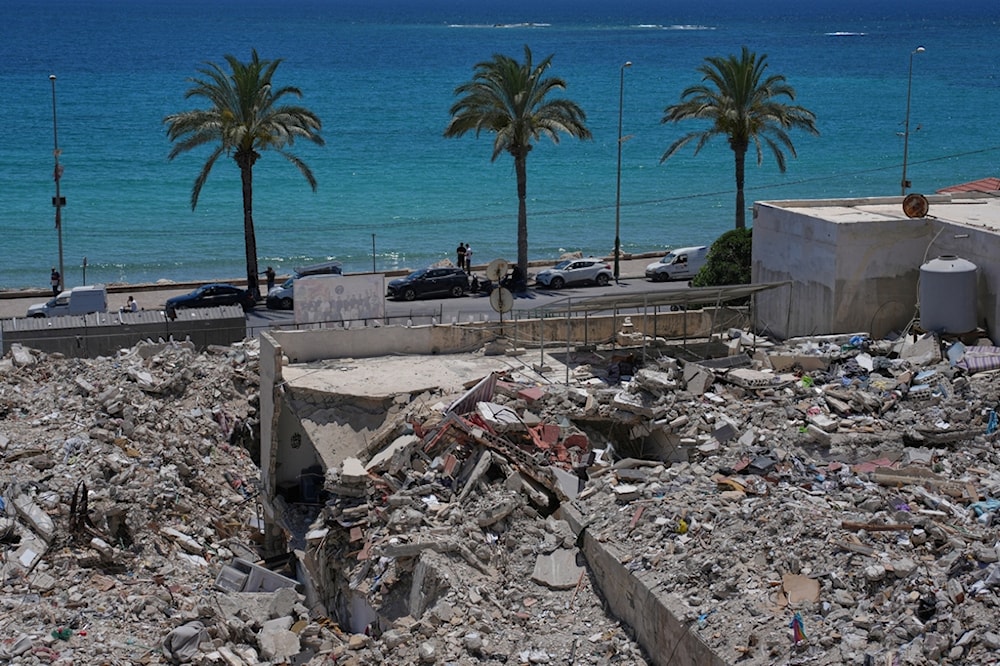
A general view shows rubble from buildings destroyed in Israeli strikes along the waterfront in the southern port city of Tyre, Lebanon, Friday, June 19, 2026 (AP)
UNESCO has placed the ancient Lebanese city of Tyre on its List of World Heritage in Danger after Israeli attacks damaged archaeological structures and left the protected site vulnerable to further destruction.
The World Heritage Committee adopted the decision during its 48th session in Busan, South Korea, finding that the site faced both confirmed and potential danger amid ongoing Israeli attacks that have restricted damage assessments, maintenance, and emergency protection work.
Although UNESCO urged all parties to respect international law protecting cultural property, reports submitted by Lebanon identified Israeli attacks as the source of the recent damage.
🔴 BREAKING!
— UNESCO (@UNESCO) July 22, 2026
Just inscribed on the List of #WorldHeritage in Danger: Tyre, #Lebanon 🇱🇧.
➡️ https://t.co/iO4B0Cjg9u #48WHC pic.twitter.com/afCIFeRLYR
Israeli strike damages archaeological site
Lebanon informed UNESCO that an Israeli strike on June 7 hit the entrance to Tyre’s “City Site,” damaging a historic building, electrical generators, and offices belonging to the Directorate General of Antiquities.
Ancient columns, capitals, mosaics, and other archaeological elements in the southeastern section were also affected. Lebanese authorities said a full assessment remained impossible because of the security situation at the time.
The International Council on Monuments and Sites said the strike damaged the entrance area, administrative buildings, and archaeological warehouses, stressing that a World Heritage property under enhanced protection must not be attacked or used for military purposes.
Reports from the site documented a damaged Roman column, a cracked World Heritage plaque, and debris scattered across the Al-Bass archaeological complex. One of Tyre’s oldest traditional houses was also destroyed, sending wreckage into the protected ruins.
International protection fails to deter aggression
Tyre’s archaeological sites were placed under UNESCO’s highest level of wartime protection in November 2024, alongside Baalbek and 32 other Lebanese cultural properties.
Under the 1954 Hague Convention and its Second Protocol, enhanced protection grants cultural sites immunity from attack and military use, with serious violations potentially leading to criminal prosecution.
Despite that designation, Israeli aircraft continued striking Tyre and other historic locations in southern Lebanon.
UNESCO’s decision calls for a joint monitoring mission with ICOMOS once safe access becomes possible. The mission will assess the damage and establish measures and a timetable for restoring the site. Lebanon must submit an updated conservation report by February 1, 2027.
Israeli invasion threatens Lebanese heritage
The damage in Tyre forms part of wider destruction inflicted on Lebanon’s cultural and religious heritage during the Israeli aggression and ground invasion of the south.
UNESCO has confirmed damage to Chamaa Citadel and raised concerns over military activity near Beaufort Castle, both internationally protected sites.
Lebanese Culture Minister Ghassan Salameh said Israeli bombing and bulldozing had damaged or destroyed archaeological sites, historic villages, religious buildings and cultural institutions across southern Lebanon.
Documented losses include Nabatieh’s Mamluk-era market, the ancient Maqam Shamoun al-Safa shrine in Chamaa, heritage houses, libraries, mosques, churches, and cemeteries.
Israeli forces have also occupied areas containing Beaufort Castle and centuries-old border villages, preventing Lebanese experts from conducting comprehensive assessments.
“We cannot work under the shadow of occupation,” Salameh said, warning that the systematic destruction threatened to erase centuries of Lebanese history and collective memory.
While the Israeli military has claimed its attacks were carried out because of “military necessity", Lebanese authorities have rejected allegations that protected heritage sites were used for military purposes.
Nearly 5,000 years of history at risk
Tyre, the 4,700-year-old Lebanese city, was added to the World Heritage List in 1984 and is among the world’s oldest continuously inhabited cities.
The former Phoenician maritime power established colonies across the Mediterranean and became famous for producing royal purple dye.
Its archaeological ruins include Roman baths, residential quarters, a colonnaded road, a triumphal arch, an aqueduct, and one of the largest surviving Roman hippodromes.
The endangered designation does not remove Tyre’s World Heritage status. It formally recognizes that Israeli aggression has placed an irreplaceable part of Lebanon’s history at immediate risk.
Read more: Israeli bombardment damages Tyre's World Heritage site


