
Lebanon seeks UNESCO protection for South Lebanon fortresses
 3 Min Read
Lebanon has requested UNESCO protection for five historic fortresses in South Lebanon as Beirut warns of threats to heritage sites amid Israeli aggression.
-
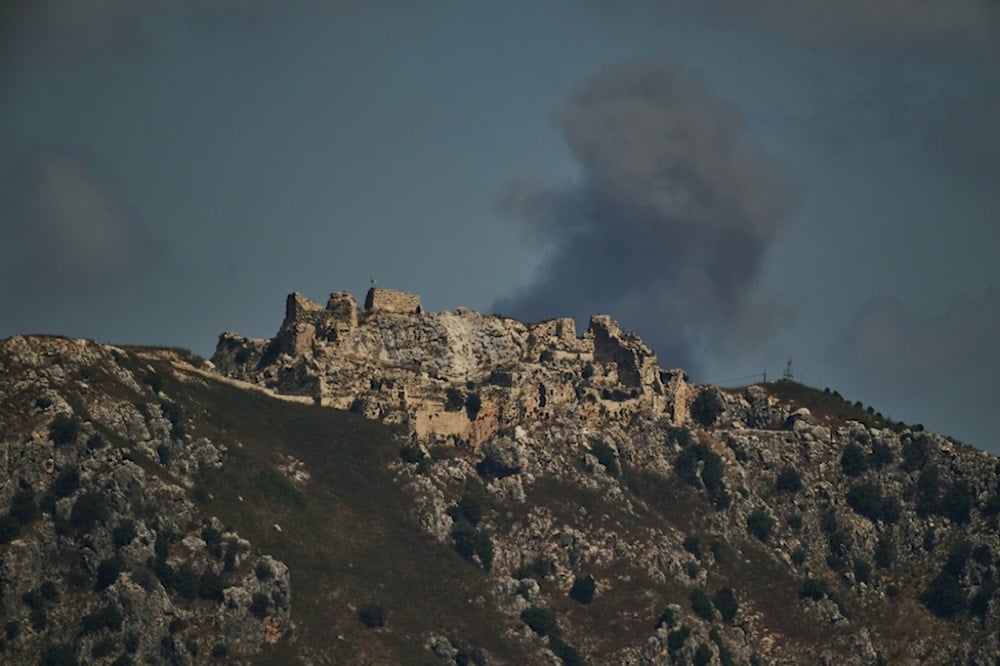
Smoke rises to the sky in an area behind Beaufort Castle following an Israeli military strike on southern Lebanon as seen from Occupied Palestine on June 19, 2026. (AP Photo/Leo Correa)
Lebanon sent an urgent request to the United Nations Educational, Scientific, and Cultural Organization (UNESCO) to include five historic fortresses in South Lebanon in the World Heritage list, as "Israel" continues to threaten these ancient sites.
Lebanon's Minister of Culture, Ghassan Salame, told RIA Novosti that a meeting with UNESCO officials is set to take place in the near future in South Korea.
"We have submitted an urgent request to the World Heritage Committee, which is scheduled to meet on July 17 in South Korea, to add five Jabal Amel fortresses", Salame told the outlet.
A number of these sites have already sustained indirect and direct damage due to Israeli aggression against the south. Salame said, adding that the Shamaa mosque, which houses the historic shrine of Shamoun al-Safa, was targeted directly by "Israel", which led to the collapse of three of its four domes.
Salame highlighted concerns as "Israel" alleged that there were tunnels underneath Beaufort Castle, and urged that a diplomatic and public information campaign be initiated to demonstrate that the Israeli claim is false.
Read more: IOF aggression damages Yemeni National Museum, Sanaa appeals to UNESCO
Israeli attacks on Lebanon's history
In June, Salame spoke about the historic sites that "Israel" damaged or destroyed during its hostile campaign against Lebanon.
Speaking to Reuters, the culture minister said that the authorities have yet to assess the extent of damage caused by "Israel" in the south.
His comments came shortly after a ceasefire agreement was signed, adding at the time that "Israel" was preventing officials from conducting damage assessment operations, noting that "We cannot work under the shadow of occupation."
Salame discussed "Israel’s" occupation zone in South Lebanon, highlighting its religious and sectarian diversity and the presence of various places of worship. He stated that entire villages had been erased, adding, "There are villages that have been completely bulldozed."
Beyond the occupied areas, Israeli airstrikes also struck historic cities including Tyre, Nabatieh, and Tebnine. Salame expressed concern that Tebnine's Crusader-era fortress may have sustained damage during the bombardment.
"Heritage is not only Roman and Phoenician antiquities," Salame said. "Heritage is also historic buildings, archaeological sites, and buildings with a cultural function."
The UNESCO World Heritage city of Tyre was heavily affected by the Israeli aggression, including a crown being blown off an ancient Roman column.
A pilgrimage site in the city, revered by both Muslims and Christians, was reportedly destroyed in another southern Lebanese town. Israeli strikes also caused heavy damage to the Mamluk-era market in Nabatieh and razed centuries-old villages along the border.


