
EU urges compliance with US tariffs deal
 2 Min Read
The EU expects the United States to honor its US tariffs deal after President Donald Trump raised import duties to 15%, citing prior commitments.
-
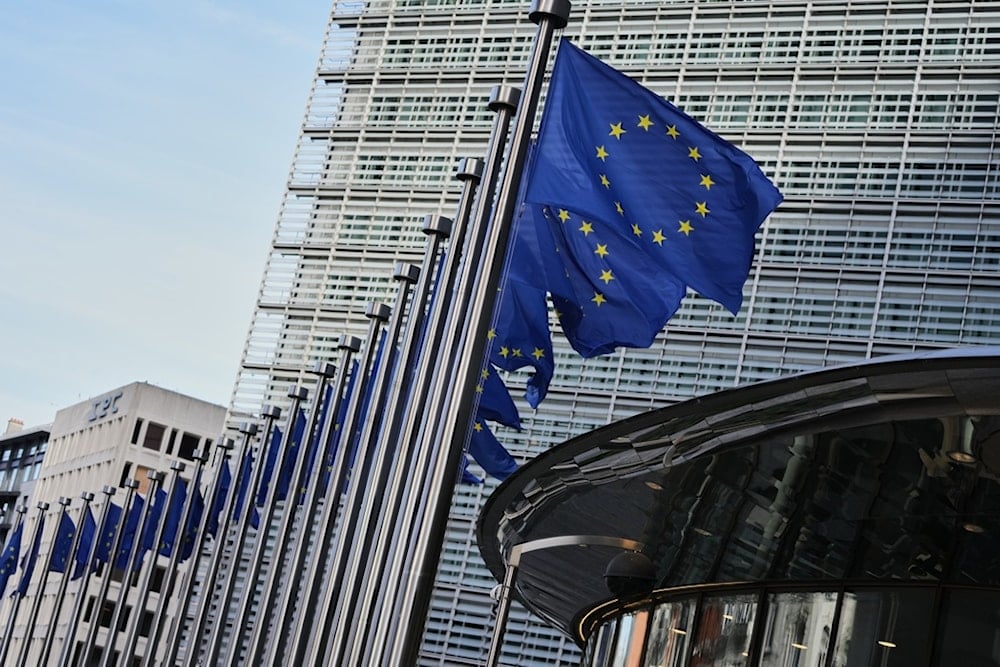
European Union flags flap in the wind outside the EU headquarters in Brussels, November 4, 2025. (AP Photo/Virginia Mayo)
The European Commission said Sunday that it expects the United States to comply with previously agreed tariff arrangements after President Donald Trump raised import duties to 15%.
"A deal is a deal. As the United States' largest trading partner, the EU expects the U.S. to honour its commitments set out in the Joint Statement - just as the EU stands by its commitments. In particular, EU products must continue to benefit from the most competitive treatment, with no increases in tariffs beyond the clear and all-inclusive ceiling previously agreed," the statement read.
The remarks come amid renewed tensions over US tariffs and transatlantic trade relations.
In July, European Commission President Ursula von der Leyen and Trump unveiled a trade deal imposing a 15% tariff on most EU exports to the United States. As part of the agreement, the EU pledged to purchase $750 billion worth of US energy products.
Legal dispute over tariff authority
On Friday, the US Supreme Court ruled against the tariff scheme introduced by Trump under the International Emergency Economic Powers Act.
The president criticized the ruling as "ridiculous" and ordered a temporary 10% tariff on all imports to the United States for 150 days. On Saturday, he announced an increase to 15% in import duties on all countries.
Trade tensions between the EU and the US intensified last year following Washington's decision to increase tariffs on steel, aluminum, and other key industrial exports. European officials warned that unilateral adjustments could undermine the stability of transatlantic supply chains.
Brussels repeatedly emphasized the need for predictability in trade policy, stating that such a sudden shift in tariffs risked disrupting investment flows and long-term procurement contracts.


