
KSA to raise fuel oil burn as gas supply falls amid Hormuz blockade
 5 Min Read
Saudi Arabia is expected to burn more imported fuel oil for electricity generation this summer after gas supply losses linked to oilfield shutdowns reduce output.
-
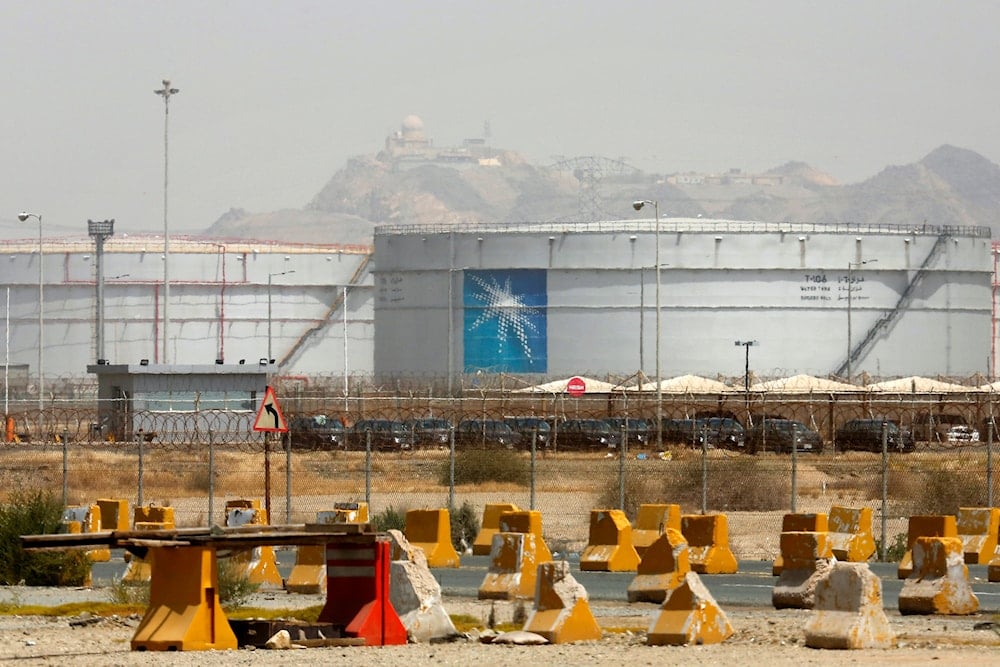
Storage tanks are seen at the North Jiddah bulk plant, an Aramco oil facility, in Jiddah, Saudi Arabia, on March 21, 2021 (AP)
Saudi Arabia is expected to burn more imported fuel oil for electricity generation this summer following a loss of natural gas supply from oilfields that were shut after the Iran war disrupted oil exports, Reuters reported on Thursday, citing analysts.
The increase in fuel oil use at power plants comes as electricity demand rises for cooling during the summer months, marking a setback to the Kingdom’s efforts to shift toward cleaner fuels.
The world’s largest oil exporter has been forced to shut more than 3 million barrels per day of oil production after Iran applied new maritime rules for the Strait of Hormuz in response to the US-Israeli aggression on the country, which halted crude exports from Ras Tanura. This disruption also reduced the output of associated gas produced alongside oil.
Gas output slipped to 10.5 billion cubic feet per day (bcfd) in the first quarter, down from 10.7 bcfd in the fourth quarter of 2025, according to Saudi Aramco (2222.SE), despite the start-up of the Jafurah gas field in December.
Fuel oil imports rise to replace gas in power plants
To compensate for reduced gas supply at power stations, Aramco increased fuel oil imports to about 1.7 million tons, or 360,000 barrels per day, in April. This represents an 86% year-on-year increase, according to Vortexa data.
Most of these shipments were delivered to terminals linked to electricity generation and desalination facilities, including Jeddah South and the Shuqaiq Steam plant. Rahul Choudhary, vice president of oil and gas research at Rystad Energy, said, "The sharp increase in fuel oil imports is a leading indicator that oil burn will rise above year-ago levels."
Electricity demand in Saudi Arabia typically rises from April and peaks in August, increasing the use of crude oil, high-sulphur fuel oil (HSFO), and gas in power generation.
Analysts estimate that combined crude and fuel oil burning for electricity generation could exceed 1 million barrels per day this summer. This would offset efforts to expand gas and renewable energy use and reverse the 991,000 barrels-per-day reduction seen in 2025, according to Choudhary.
Saudi Aramco declined to comment, while the Saudi government communications office did not respond to requests for comment.
Aramco prioritizes crude exports over domestic use
Analysts say Saudi Aramco is expected to reduce crude oil burning for power generation this summer as it prioritizes exports of Arab Light crude through the East-West pipeline to the Red Sea port of Yanbu. High-sulphur fuel oil is also considered cheaper than Saudi crude.
Data from the Joint Organisations Data Initiative (JODI) showed Saudi Arabia’s direct crude burn averaged 593,500 barrels per day between June and September last year. Market forecasts differ on how much crude Saudi Arabia will burn this summer.
Wood Mackenzie expects a decline of 5,000 to 15,000 barrels per day from an average of 629,000 barrels per day recorded between June and August 2025. Jayadev D, oil research analyst at Wood Mackenzie, said, “Every barrel of Arab Light crude burned domestically represents a significant loss in windfall export revenue.”
Rystad Energy expects crude oil use for power generation to average between 540,000 and 550,000 barrels per day this summer. However, Choudhary noted that a deeper or prolonged disruption could force a shift toward direct crude burning as a contingency measure.
Energy Aspects’ head of demand, Koen Wessels, expects Saudi Arabia to burn more crude this summer than in 2025 due to constraints in redirecting crude supply to Red Sea ports.
The company also expects shipping through the Strait of Hormuz to remain stalled through the end of May, with recovery reaching 50% of pre-war levels in June, 60% in July, and 70% in August, according to Wessels.
Gulf crisis escalates as Hormuz sparks int'l supply fears: FT
In a related context, a new analysis by the Financial Times' chief economics commentator, Martin Wolf, on Wednesday, argued that the blockade of the Strait of Hormuz is entering a more dangerous phase, warning that the global economy may soon face real shortages rather than speculative fears.
Wolf argued that the consequences of the US-Israeli war on Iran and the subsequent closure of Hormuz are beginning to move from financial markets into physical supply chains.
“First came the war. Then came the blockade. Now come the shortages,” Wolf wrote, warning that shipments of oil, liquefied natural gas, refined fuels, fertilizers, helium, and industrial chemicals have effectively stopped moving through one of the world’s most strategic maritime corridors.
While inventories and emergency reserves initially softened the shock, Wolf stressed that global markets are approaching a turning point where missing cargoes will translate into direct shortages across multiple sectors.
He cited analysis from Nick Butler, a former BP executive and current King’s College London researcher, who described the current phase as “the end of the beginning.”


