
OPEC+ to maintain oil output despite Saudi-UAE tensions
 3 Min Read
OPEC+ is likely to keep oil production levels unchanged at its upcoming meeting, despite rising tensions between Saudi Arabia and the UAE over Yemen.
-
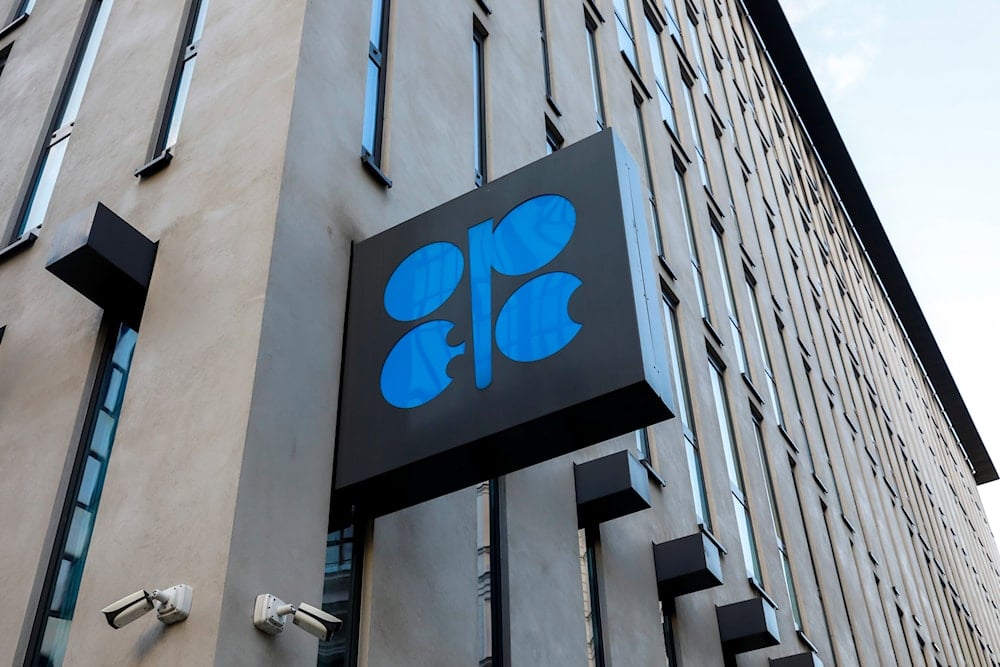
The logo of the Organization of the Petroleum Exporting Countries (OPEC) is seen outside of OPEC's headquarters in Vienna, Austria, on March 3, 2022. (AP)
OPEC+ is likely to keep oil production steady at its meeting on Sunday, according to three OPEC+ delegates, despite rising political tensions between key members Saudi Arabia and the UAE over Yemen.
The meeting, which includes eight major producers: Saudi Arabia, Russia, UAE, Kazakhstan, Kuwait, Iraq, Algeria, and Oman, comes after oil prices plunged more than 18% in 2025, marking their steepest decline since 2020 amid concerns of global oversupply.
From April to December 2025, the eight members raised oil output targets by around 2.9 million barrels per day, equivalent to nearly 3% of global demand, but agreed in November to pause further increases for January through March. OPEC and authorities in Saudi Arabia and Russia did not respond to requests for comment on the upcoming meeting.
Political tensions have surged between Saudi Arabia and the UAE, which back opposing sides in Yemen’s decade-long conflict. Last month, a UAE-aligned group seized southern territory from the Saudi-backed government, sparking one of the most serious public disagreements between the two Gulf oil producers. The UAE has since said it will withdraw its remaining forces from Yemen following Saudi calls for Emirati troops to leave within 24 hours.
Despite these disputes, OPEC+ sources indicated that the tensions are unlikely to affect Sunday’s talks. Historically, the group has managed to maintain cohesion during internal rifts, including the Iran–Iraq war, by prioritizing market management over political conflicts.
Yemen’s Saudi-backed government recently launched a so-called peaceful operation to reclaim military positions from the UAE-backed southern separatists, who reported that seven Saudi airstrikes occurred in response.
How are Saudi-UAE tensions affecting the Yemen conflict?
The conflict in Yemen, ongoing since 2014, has resurfaced in recent weeks as a flashpoint between Saudi Arabia and the UAE, two key members of OPEC+. After years of aggression against Ansar Allah, the war has increasingly turned into a proxy struggle between the Saudi-backed government and UAE-supported southern separatists.
The rift deepened on January 1, 2026, when Saudi warplanes targeted STC positions in southern Yemen, and tensions forced the closure of Aden’s airport. These developments marked one of the most serious public fallouts between the two Gulf powers since they took part in a coalition of aggression against Yemen more than eight years ago.
On December 30, Saudi Arabia reportedly issued a 24-hour ultimatum for UAE troops to withdraw, following intensified clashes on the ground. In response, the UAE announced its forces had “voluntarily” ended their mission in Yemen, though it did not confirm full withdrawal.
In mid-December 2025, UAE-aligned factions seized large areas in southern Yemen, including oil-rich regions in Hadhramaut and al-Mahrah. These gains directly challenged Saudi influence and the authority of the Yemeni Presidential Leadership Council, which Riyadh has backed since its formation in 2022.
While both countries remain key players in OPEC+, their diverging interests in Yemen raise concerns about internal cohesion. Although the alliance has historically weathered political differences, the growing Saudi-UAE dispute could add strain to future oil policy coordination.


