
El Niño threatens crops across Asia amid food security fears
 5 Min Read
Drought and extreme heat linked to a developing El Niño are disrupting agriculture across Asia, raising concerns over food security, rising prices, and supply shortages.
-
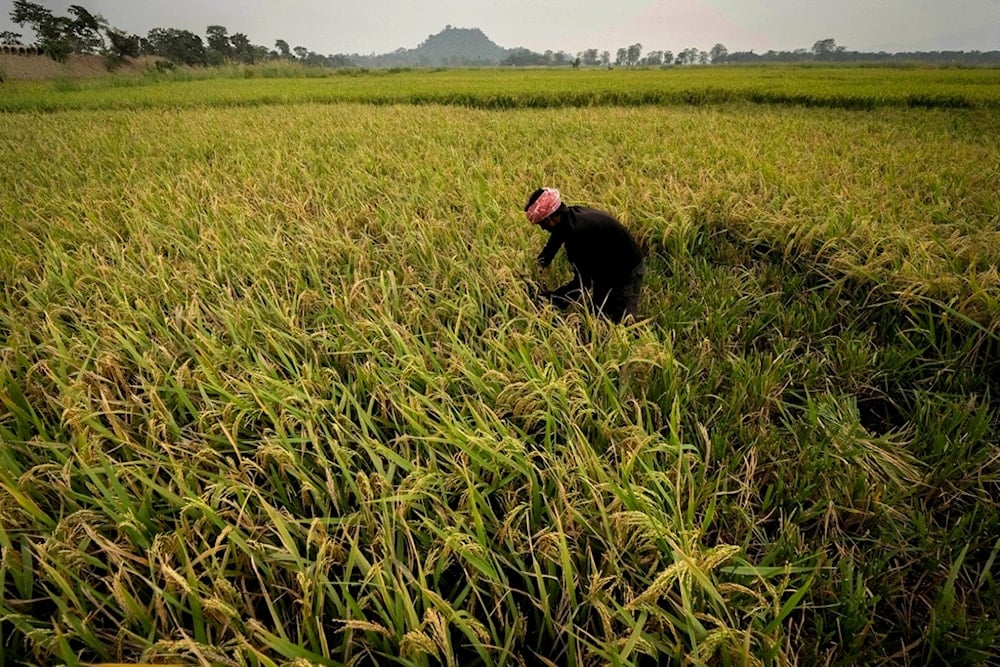
A farmer harvests rice crop in a paddy field on the outskirts of Guwahati, India, Tuesday, June 6, 2023. (AP Photo/Anupam Nath)
A powerful El Niño weather pattern taking shape across the Pacific is threatening agricultural production throughout Asia, with prolonged heat and below-average rainfall disrupting planting seasons and raising concerns over food security in the world's most populous region.
From India's grain-producing regions to Southeast Asia's rice-growing centers and Australia's wheat belt, farmers are facing increasingly difficult conditions as drought stress affects crops and limits planting activity.
Analysts warn that the expected intensification of El Niño during the second half of 2026 could deepen existing agricultural challenges and place additional pressure on global food markets already strained by geopolitical instability and supply chain disruptions.
The emerging climate pattern comes at a time when many farmers are also grappling with fertilizer shortages and rising production costs linked to regional conflicts and disruptions to energy and trade routes.
Drought conditions disrupt planting across key agricultural regions
Agricultural producers across Asia report worsening conditions as high temperatures and insufficient rainfall reduce soil moisture and delay seasonal planting.
In India, where the annual monsoon delivers roughly 70 percent of the country's rainfall, meteorological authorities recently downgraded forecasts for the crucial four-month rainy season.
"With temperatures across most parts of the country remaining well above normal, conditions are currently unfavourable for the timely sowing of summer crops," a New Delhi-based agricultural trader told Reuters.
The delay threatens production of key crops, including rice, soybeans, pulses, sugarcane, and corn, all of which play a central role in domestic food supplies and international markets.
Across Southeast Asia, similar concerns are emerging as drought conditions affect rice cultivation and palm oil production.
Reuters quotes Thai farmer Nerawat Oramah in saying that water shortages could force growers to abandon second harvests in some areas.
"For my second harvest, I have to wait and see the situation," he said. "There will only be one harvest" if water supplies prove insufficient.
Read more: Climate change fuels surge in extreme fire weather
Supply disruptions compound agricultural challenges
The developing climate crisis is occurring alongside broader economic and geopolitical pressures that have increased costs for agricultural producers.
Farmers across multiple countries are confronting shortages of fertilizer and fuel, both essential inputs for modern agriculture. These constraints have amplified concerns that climate-related crop losses could translate into more severe production declines.
Researchers in Thailand warned that fertilizer shortages may ultimately pose an even greater threat than drought itself.
According to KKP Research, an arm of the Kiatnakin Phatra Bank in Thailand, a severe fertilizer shortfall could reduce rice production by 15 to 20 percent under worst-case scenarios.
"What we are more concerned about is fertiliser supply," the bank told Reuters. "We estimate that a fertiliser shortage, if it occurs, could reduce rice production by up to 15-20% in the worst case."
The convergence of climate stress and supply disruptions has heightened concerns about the resilience of regional food systems.
Food prices climb as markets react to uncertainty
Global food markets have already begun responding to mounting concerns over future harvests.
Wheat prices have risen approximately 20 percent since the beginning of the year amid fears of drought affecting major growing regions, while rice prices at key Southeast Asian export hubs have climbed around 15 percent over the past month.
Traders note that prices are rising despite substantial stockpiles in some producing countries, reflecting market anxiety over future supply rather than immediate shortages.
"There is clear indication of crisis as rice prices have moved substantially higher without any major shortage," one Singapore-based commodities trader said.
Market participants are increasingly concerned that major exporters could eventually introduce restrictions to protect domestic supplies if weather conditions deteriorate further.
India, which accounts for roughly 40 percent of global rice exports, remains a particular focus given its importance to international food markets.
Read more: Seabed warming cuts fish stocks by 7% per 0.1°C
Farmers brace for severe El Niño conditions
Meteorologists expect one of the strongest El Niño events on record to emerge later this year, bringing hotter and drier conditions to large parts of Asia while altering rainfall patterns across other regions of the world.
Chris Hyde, a meteorologist with SkyFi, said satellite imagery already reveals early signs of drought across several parts of Asia.
"The El Niño impact globally starts with Southeast Asia, India, and Australia, before it has wider implications downstream," he said.
While some agricultural regions maintain adequate reservoir levels for now, experts warn that prolonged drought could eventually overwhelm existing safeguards and further undermine crop yields.
The situation highlights the growing vulnerability of global food systems to climate extremes, particularly as rising temperatures associated with climate change intensify the effects of naturally occurring weather cycles.


