
Nigeria probes deaths of 37 suspected illegal miners in custody
 3 Min Read
Nigeria orders a full investigation after 37 suspected illegal miners die in custody in Niger state, with overcrowding and poor ventilation blamed.
-
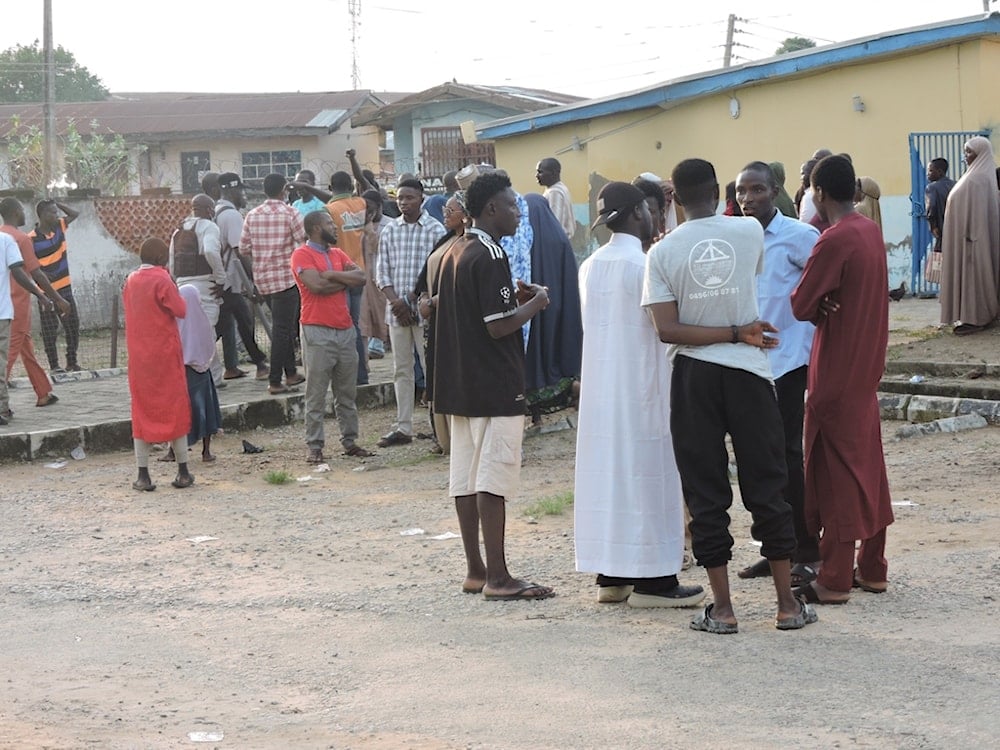
Families and relatives of miners who were arrested on suspicion of illegal mining wait outside a hospital where their bodies are stored in Minna, Nigeria, Thursday, Sept. 17, 2026. (AP Photo/Muhammed Nura)
Nigeria has suspended a senior civil defense commander and ordered a full investigation after 37 suspected illegal miners died while in custody in Niger State.
The Interior Ministry said Friday that Suberu Siyaka Aniviye, commander of the Nigeria Security and Civil Defense Corps (NSCDC) in Niger State, had been suspended pending an investigation into the deaths.
"It is an unfortunate incident, however, a full investigation will be conducted while the commandant under whose watch this happened remains suspended," Interior Minister Olubunmi Tunji-Ojo said in a statement.
An intelligence report attributed the deaths, reported on Thursday, to overcrowding and inadequate ventilation at the facility where the miners were being held.
Police have also opened an investigation into the incident.
Read more: Nigeria orders probe into Big Tech over misuse of news content
Deaths trigger protests in Minna
The deaths reportedly triggered protests in Minna, the capital of Niger State, involving groups of miners and sympathizers, according to an intelligence report seen by AFP.
A 40-second video circulated online showed the bodies of dozens of young men lying outdoors, most wearing only shorts. Several appeared to be teenagers.
The circumstances surrounding the deaths, including the conditions in which the miners were detained and the events preceding their deaths, remain subject to investigation.
The incident has drawn renewed attention to the conditions surrounding Nigeria's informal mining sector and the state's efforts to curb illegal extraction.
Gold mining fuels violence in Niger State
Niger State, which is more than twice the size of Belgium, is rich in mineral resources and has attracted thousands of artisanal miners seeking gold and other valuable deposits.
The expansion of illegal mining has also become intertwined with insecurity. Nigerian officials and experts say criminal gangs, locally known as bandits, exploit mining communities by taxing miners and demanding a share of extracted ore in exchange for access to mining sites.
The competition over gold resources has contributed to violence and strengthened criminal networks operating across parts of the state.
Nigerian gold enters global supply chains
The illegal mining economy also extends beyond Nigeria's borders.
According to a 2024 SwissAid report, much of the gold extracted illegally in Niger State is smuggled to the United Arab Emirates. From there, the gold can enter international supply chains reaching markets in Europe, the United States, Asia and South Africa.
The trade highlights the international dimension of Nigeria's illegal mining sector, with locally extracted gold potentially becoming part of global markets far removed from the conditions in which it was mined.
The Nigerian government's investigation will now determine the circumstances behind the deaths of the 37 miners and whether officials responsible for their detention failed to meet required standards of care.


