
'Israel' factor in war on Iran 'very disturbing': US senator
 3 Min Read
Democrats question the cost and justification of the war on Iran as conflicting statements from Trump and Rubio fuel concerns over US war planning.
-
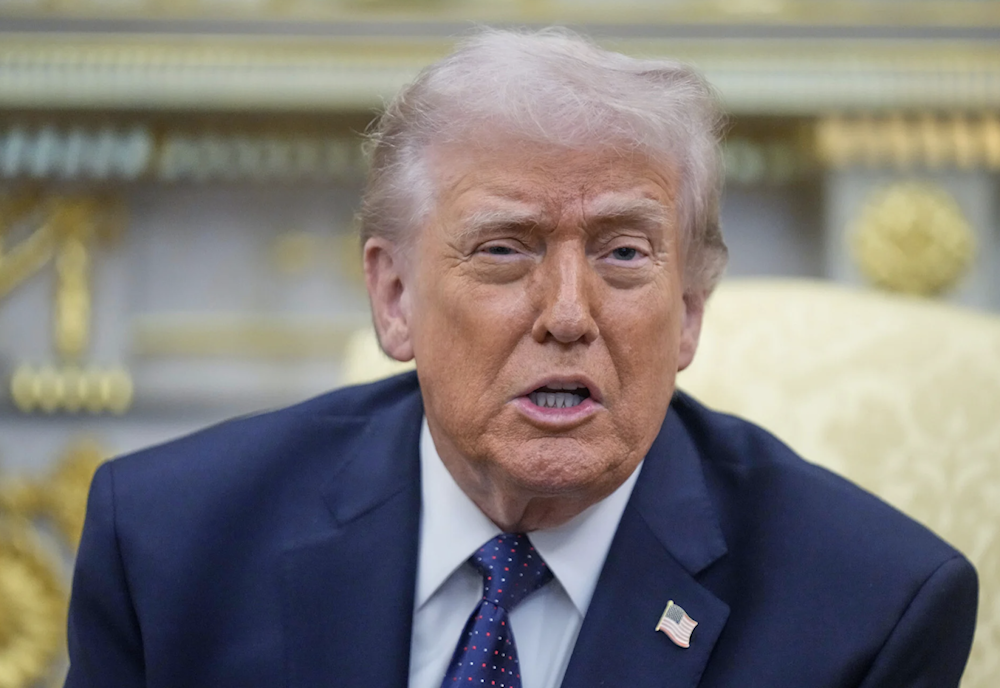
US President Donald Trump speaks during a meeting with German Chancellor Friedrich Merz in the Oval Office at the White House on March 3, 2026, in Washington (AP)
Ahead of a classified briefing by Trump administration officials to Congress, senior House Democrats raised concerns over the financial and strategic costs of the strikes on Iran, as well as their impact on the US stockpile of munitions.
“The American people are entitled to clear answers, including why this conflict began, what objectives justify continued military engagement, and what guardrails are in place to prevent a broader or protracted regional war,” said the five Democrats, who hold top positions on committees overseeing national security, in a letter to the Trump administration.
Lawmakers are scheduled to receive the briefing later Tuesday, as President Donald Trump works to consolidate political backing for the military campaign.
'Israel' factor in war on Iran 'very disturbing'
Sen. Angus King, an independent from Maine, said it’s “very disturbing” that Trump took the US to war because "Israel" wanted to bomb Iran.
Netanyahu has been “egging for an invasion of Iran for 20 years,” the senator said, and past US presidents “have consistently said no.”
Senators grilled Defense official Elbridge Colby during an Armed Services committee hearing on the administration’s shifting rationale for the attack and warned against sending US boots on the ground.
Colby told senators the president has directed the military campaign to destroy the missile threat from Iran and deny the country a nuclear weapon.
Conflicting accounts over who drove strike
As Congress prepares for the briefing, the administration’s public messaging has come under scrutiny. Statements by President Trump appear to diverge from earlier remarks by Secretary of State Marco Rubio regarding the timing and impetus for the joint US-Israeli strikes.
Facing criticism that Washington had been drawn into the war at "Israel’s" urging, Trump rejected suggestions that "Israel" dictated the timeline.
“If anything, I might have forced Israel’s hand,” Trump told reporters at the start of the Oval Office meeting with Merz.
However, a day earlier, Rubio offered a different explanation for the decision to strike, saying the US anticipated imminent Israeli military action.
“We knew that there was going to be an Israeli action,” Rubio said.
“And we knew that if we didn’t preemptively go after them before they launched those attacks, we would suffer higher casualties,” he added.
After only 3 days, the admin is now publicly admitting this is a war on behalf of Israel—a war that the majority of Americans oppose.
— Jon Hoffman (@Hoffman8Jon) March 3, 2026
Americans should not fight and die for Israel.
The US-Israel special relationship has to end. Our generation refuses to inherit this cowardice. https://t.co/2aNknAIIyv
Rubio’s remarks sparked a wave of online anger and controversy, with prominent commentators and activists arguing that the administration had effectively acknowledged the war was being fought on "Israel’s" behalf.
Criticism mounts across political lines
The administration’s shifting rationale has fueled criticism not only from Democrats but also from some figures within Trump’s political base, who question whether the US was ultimately following "Israel’s" lead.
Democratic lawmakers have indicated they will press officials during the briefing on the campaign’s strategic objectives, its projected financial and military costs, and the safeguards in place to prevent escalation into a broader regional war.
The diverging explanations from the president and his top diplomat have intensified calls for clarity, as Congress weighs its authority to authorize — or constrain — further US military involvement.


