Afghanistan, Pakistan resume Istanbul peace talks after border clashes
 3 Min Read
Afghanistan and Pakistan have resumed peace talks in Istanbul after recent border clashes. Islamabad demands action against militants operating from Afghan soil, as tensions with the Taliban escalate.
-
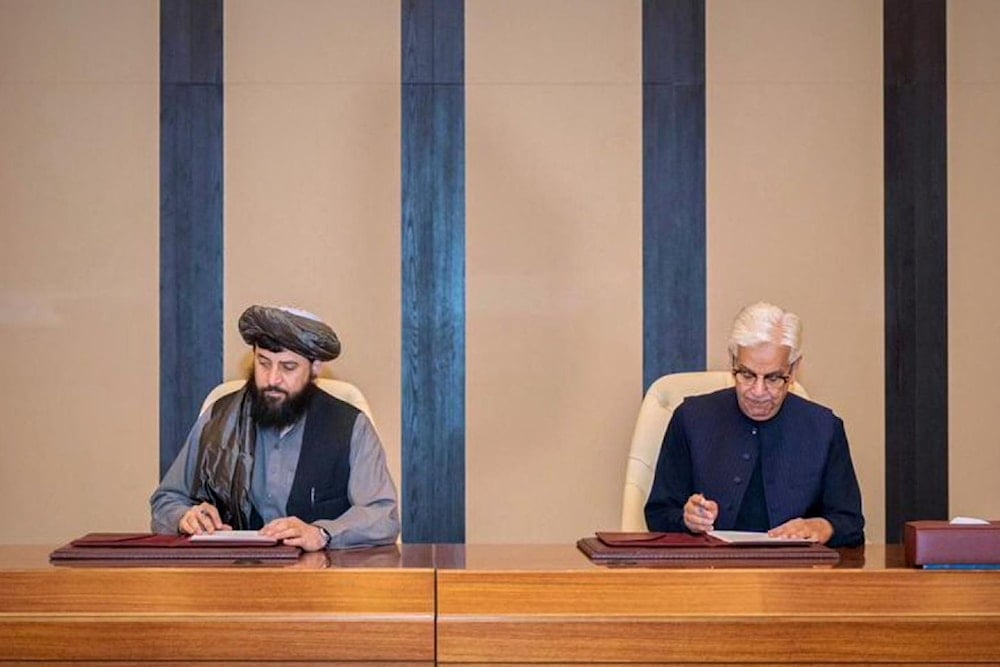
Pakistani Defence Minister Khawaja Asif, right, and Afghan Defence Minister Mullah Muhammad Yaqoob sign a ceasefire agreement in Doha, Qatar, Oct. 19, 2025 (AP)
Afghanistan and Pakistan have resumed peace talks in Istanbul, four sources told Reuters on Thursday, just one day after Islamabad announced the talks had failed.
According to three of the sources, the decision to restart the dialogue came at the request of mediators Turkey and Qatar, who are seeking to prevent a renewal of the deadly border clashes that have killed dozens this month.
A Pakistani security source said Islamabad will insist on its key demand: that Afghanistan take action against Islamist militants who are using Afghan territory to plan and launch attacks on Pakistan.
A source close to the Afghan Taliban delegation said that “Most issues between Pakistan and Afghanistan have been resolved successfully and peacefully. However, some of Pakistan’s demands need more time due to the complexity of reaching an agreement.”
What is the context?
Islamabad has long accused the Taliban government of harboring members of Tehrik-i-Taliban Pakistan (TTP), a separate extremist group that has carried out deadly attacks on Pakistani forces from inside Afghanistan. Kabul denies having control over the group.
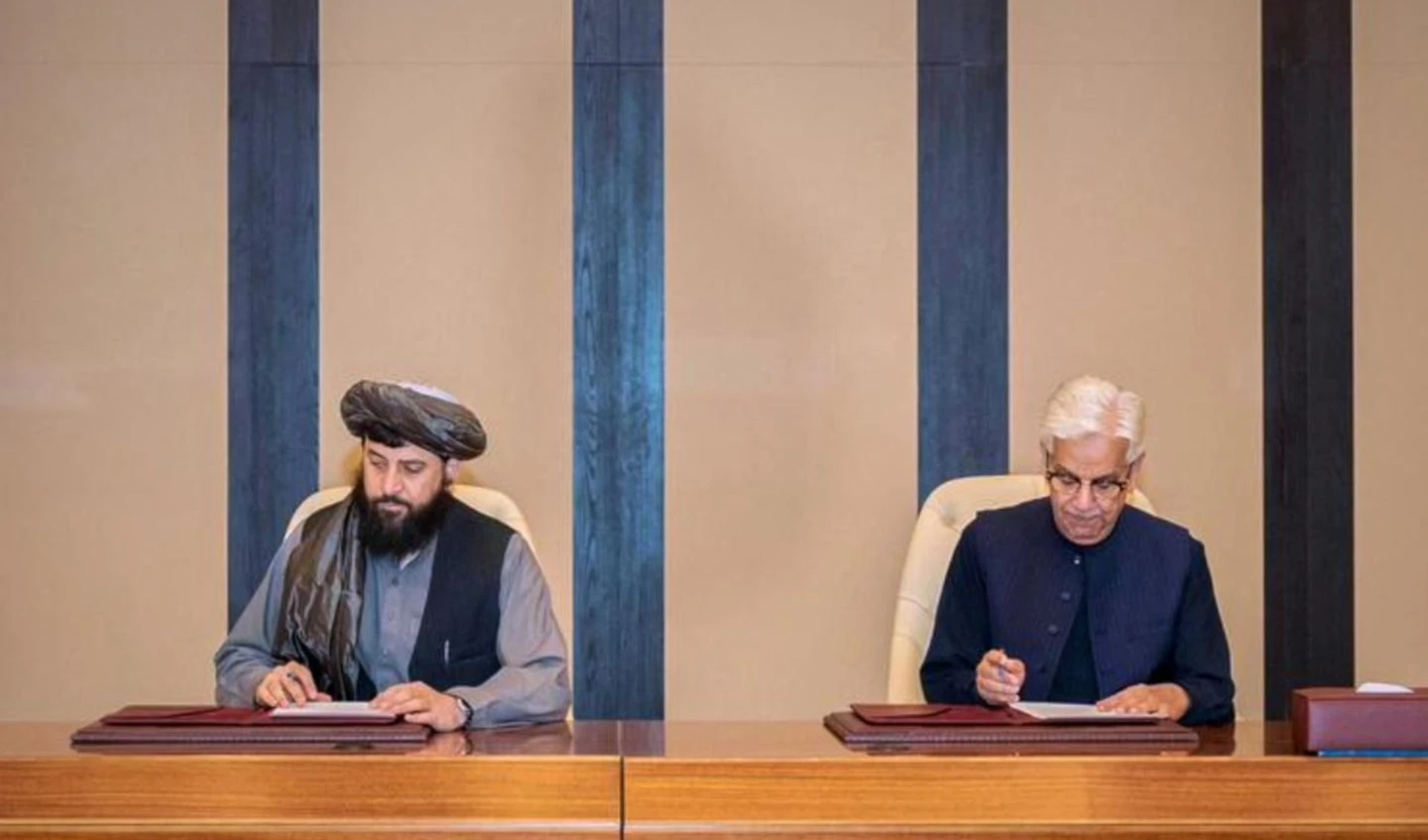
In a statement from Kabul, Acting Interior Minister Sirajuddin Haqqani urged Pakistan to address its domestic security issues rather than inflame tensions in Afghanistan, warning that this “will come at a high price.” He added that Kabul seeks peaceful relations with all countries but will defend itself if attacked.
Cross-border violence escalates
Clashes erupted along the 2,600-kilometer border earlier this month following Pakistani airstrikes on targets in Kabul, reportedly aimed at a top TTP leader. In response, the Taliban launched counterattacks on Pakistani military positions.
Tensions between Pakistan and the Taliban have sharply escalated following the collapse of ceasefire negotiations aimed at de-escalating violence along the Pakistan-Afghanistan border. Talks held in Istanbul, mediated by Turkey and Qatar, ended without a breakthrough, prompting a fierce response from Pakistan's leadership.
Pakistan’s Defense Minister Khawaja Asif issued a stark warning on Wednesday, saying the Taliban government could be "completely obliterated" if the conflict continues.
"Pakistan does not require to employ even a fraction of its full arsenal to completely obliterate the Taliban regime and push them back to the caves for hiding," Asif said on X.
While on the request of brotherly countries who were persistently being beseeched by Taliban Regime, Pakistan indulged in talks to give peace a chance, venomous statements by certain Afghan officials clearly reflect the devious and splintered mindset of Taliban regime.
— Khawaja M. Asif (@KhawajaMAsif) October 29, 2025
Let me…
On Thursday, Pakistan announced it had killed Qari Amjad, the deputy leader of Tehrik-i-Taliban Pakistan, in a cross-border operation near Afghanistan. Islamabad hailed the action as a major victory. The TTP has confirmed his death.
Read more: Afghanistan-Pakistan negotiations to begin in Doha: Exclusive