
Hormuz war-risk insurance demand falls as shipowners grow wary
 4 Min Read
Demand for Hormuz war-risk insurance declines as shipowners reassess voyages, while premiums remain elevated amid renewed US-Iran tensions.
-
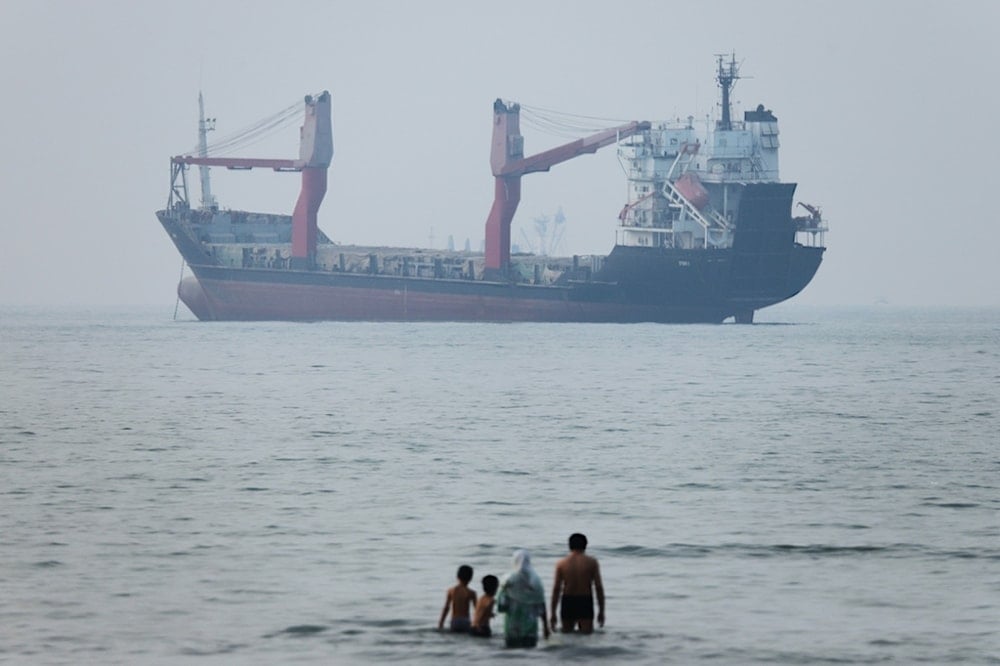
A group of people stands in shallow water as a cargo ship appears anchored in the Strait of Hormuz off Bandar Abbas, Iran, Tuesday, June 30, 2026 (AP)
Demand for marine war-risk insurance covering voyages through the Strait of Hormuz has declined as shipowners reassess plans to transit the strategic waterway following renewed hostilities between the US and Iran, Bloomberg reported, citing industry participants.
Marine insurance brokers and underwriters in London told Bloomberg that inquiries for war-risk coverage have fallen since the collapse of the West Asia ceasefire earlier this week, suggesting growing caution among vessel owners despite the absence of definitive data.
Visible shipping traffic through the Strait of Hormuz had nearly ground to a halt by Thursday, with only limited vessel movements observed. Some shipowners that recently completed the passage have reportedly begun reconsidering return voyages, while others have abandoned plans to transit the strait altogether.
The actual level of shipping activity, however, remains difficult to assess because some vessels have continued sailing through the waterway with their transponders switched off, a practice that predates the temporary truce between Washington and Tehran.
War-risk insurance premiums remain elevated
Despite the decline in insurance inquiries, brokers and underwriters said interest in securing coverage for Hormuz transits has not disappeared entirely.
"I think it's fair to say that quote requests have declined given the reluctance to commit to transits, although we are still receiving inquiries and terms remain available," Simon Lockwood, head of shipowners at Marine GB, Willis Towers Watson Plc, told Bloomberg.
Lockwood said insurance premiums had remained elevated throughout the conflict and had not risen significantly following the breakdown of the ceasefire. However, other market participants reported modest increases in pricing.
Marcus Baker, global head of marine and cargo at Marsh, the world's largest insurance broker, said war-risk premiums have climbed to between 2% and 6% of a vessel's value, compared with a fraction of a percentage point before the conflict.
At those rates, insuring a $100 million oil tanker for a single transit through the Strait of Hormuz could cost as much as $6 million. Baker noted, however, that shipowners frequently receive substantial no-claims discounts, reducing the actual premiums paid.
US attacks Iran, Tehran retaliates
The developments come after US forces carried out attacks on Iranian targets the previous day, claiming they were responding to incidents involving tankers near the Strait of Hormuz. Iran said it retaliated by targeting US military sites in Bahrain and Kuwait, framing its response as a defensive measure against American aggression.
Earlier in Ankara, Trump said the memorandum of understanding that had served as an initial ceasefire arrangement with Iran was “over", sending oil prices higher as fears grew that Washington could return to open confrontation in the Gulf.
However, the US president did not clearly state whether his administration was abandoning diplomacy altogether or whether indirect negotiations could still continue toward a final agreement.
Tehran has rejected Washington’s pressure campaign and insisted that negotiations cannot proceed under threats. Iranian Foreign Minister Abbas Araghchi had earlier pointed to Paragraph 13 of the MoU, stressing that talks on a final agreement would not begin while US threats continued.
“Honor your signature,” Araghchi said, accusing Washington of failing to uphold the commitments it had signed.
The escalation has also raised concerns over security in the Strait of Hormuz, one of the world’s most important energy routes. Shipping data showed that at least four oil and gas tankers had turned back rather than attempting to transit the waterway, as renewed hostilities threatened maritime movement in the Gulf.


