
Iran assets not US spoils of war or fund to pay allies: Gharibabadi
 3 Min Read
Iranian officials reaffirm their stance on protecting national assets and pursuing legal claims over wartime damages.
-
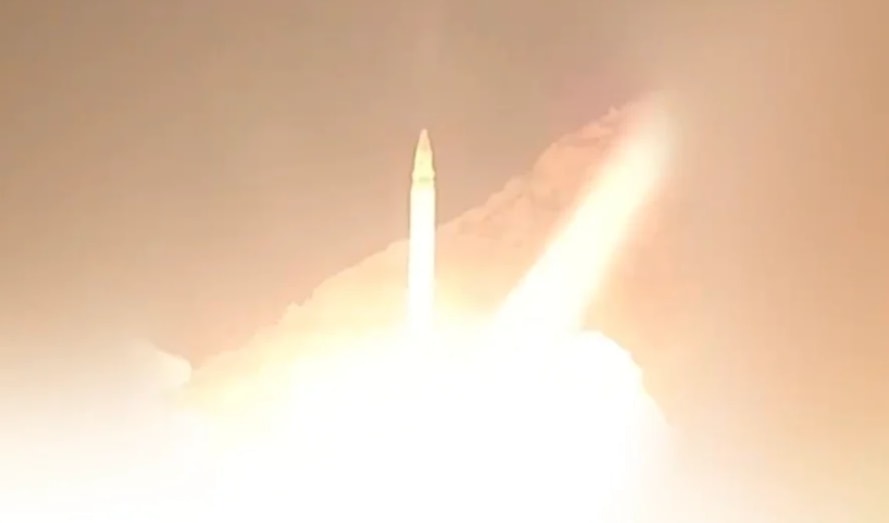
A screengrab from footage released by the Islamic Revolution Guard Corps (IRGC) shows the moment a ballistic missile was fired at US targets in the Gulf (IRGC via Tasnim)
Senior Iranian officials have strongly rejected reports that the United States may seek to use Iranian assets to compensate regional allies for alleged damages, while Tehran reiterated its commitment to defending its interests in ongoing diplomatic negotiations.
Kazem Gharibabadi, Iran’s Deputy Foreign Minister for Legal and International Affairs, responded to reports citing sources close to the US Treasury Secretary suggesting that Washington intends to use all available means to make Iranian assets accessible for the reconstruction of alleged damages suffered by some of its regional partners.
In a post on X, Gharibabadi described the reported plan as “another act of blatant arrogance” by the United States. He argued that if Washington is genuinely concerned with compensation, it should first address its own responsibility, along with that of "Israel", for aggression and instability in the region.
در رسانه ها به نقل از منابع نزدیک به وزیر خزانهداری آمریکا آمده است که این کشور از تمامی ابزارها استفاده خواهد کرد تا داراییهای ایران جهت بازسازی خسارات ادعایی وارده به برخی متحدان منطقهای آن، در دسترس قرار گیرد.
— Gharibabadi (@Gharibabadi) June 7, 2026
اولا، این یک وقاحت تازه از سوی آمریکاست. اگر واشنگتن، به…
“Iran will not let the aggressors escape accountability and will pursue full compensation for the damages caused by the war,” he stressed.
Iranian assets could not be treated as 'war spoils'
Gharibabadi also accused certain regional governments of facilitating actions against Iran by allowing their territory and resources to be used in support of military operations. He said those states bear legal responsibility under international law and are obligated to compensate Iran for losses it suffered.
It is worth noting that Iran has repeatedly said that US military bases and economic assets in the Gulf region have been used to launch acts of aggression against Iran, including strikes that have resulted in civilian casualties. In this framing, any Iranian action targeting such facilities is a retaliation against hostile military activity originating from or enabled by those bases.
The deputy foreign minister further stressed that Iranian assets could not be treated as “war spoils” or redistributed without Tehran’s consent. He warned that any seizure, transfer, or allocation of Iranian property would constitute a new violation of international law and could prompt a proportional response from Iran.
He added that the Islamic Republic remains committed to protecting the assets and rights of the Iranian people while pursuing accountability and compensation for unlawful actions by the United States.
'Iran will defend the rights of its people': Pezeshkian
Separately, Iranian President Masoud Pezeshkian reaffirmed Tehran’s stance on negotiations during remarks to state television.
“The members of the negotiating team are not people who retreat or surrender,” Pezeshkian said. “We must enter the arena with strength and defend the rights of the Iranian people.”
He also praised government officials for continuing their work despite ongoing threats.
Meanwhile, Iranian and regional affairs analyst Mohammad Mehdi Shariatmadar said Pakistan has reportedly conveyed a message aimed at helping resolve a key sticking point in negotiations related to the release of Iranian assets.
According to Shariatmadar, Pakistan is seeking to provide assurances that Iranian funds would be released after the signing of a potential agreement, rather than simultaneously with its conclusion. He said Tehran has insisted that approximately $12 billion be transferred at the time of signing, an issue that remains unresolved.
Shariatmadar said the message has been delivered and is expected to be considered by Iranian decision-makers, but he believes Tehran is unlikely to alter its current position on the matter.


