
Iran says Israeli occupation in Lebanon must end under framework
 3 Min Read
Iran rejects reports of US talks in Doha, stressing that the end of the Israeli aggression on Lebanon clauses is part of the obligations in the US deal framework.
-
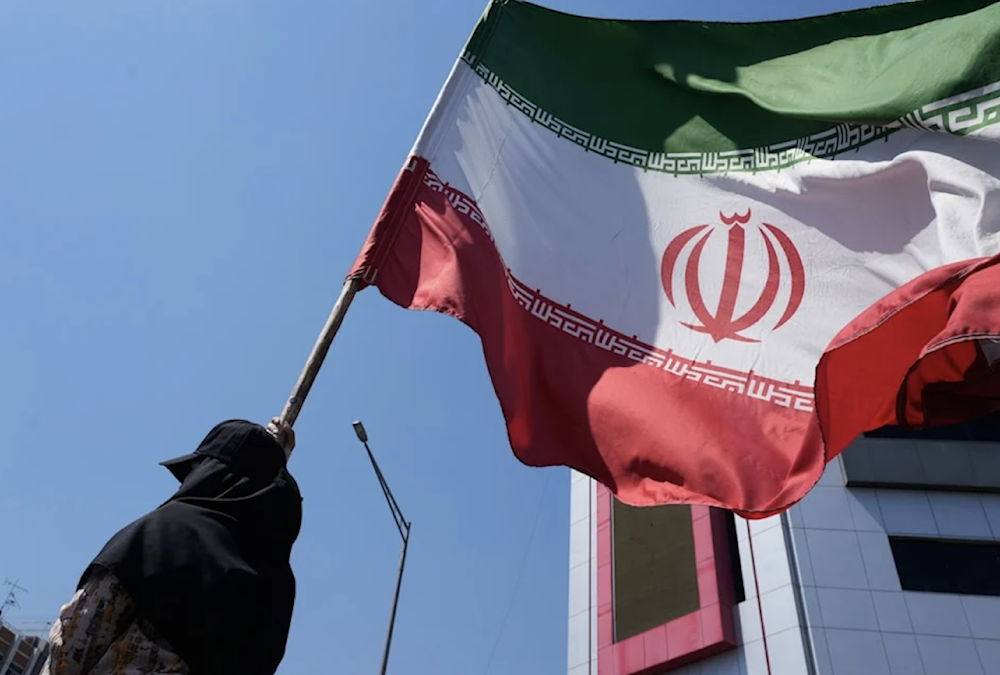
A woman holds an Iranian flag during a demonstration in downtown Tehran, Iran, June 8, 2026 (AP)
Iran has denied reports of planned talks with the United States in Doha on Wednesday, while reaffirming that provisions in a recent memorandum of understanding include obligations related to Lebanon, according to the Iranian Foreign Ministry.
Spokesperson Esmail Baghaei said on Tuesday that no negotiations with US officials are scheduled at any level in the coming days, adding that reports of an upcoming meeting are inaccurate.
He said an Iranian expert delegation led by Deputy Foreign Minister for Legal and International Affairs Kazem Gharibabadi would travel to continue implementing provisions of the agreement, particularly regarding frozen assets and regional issues, including Lebanon.
Lebanon included in agreement framework
Baghaei said Iran has been seeking to ensure implementation of all clauses in the memorandum signed on June 18, including provisions related to ending hostilities across multiple fronts, “including Lebanon.”
He added that upcoming discussions in Doha would focus on the release of frozen Iranian assets and implementation of the first clause of the agreement, which he said covers a halt to Israeli hostilities against Lebanon.
“The first paragraph is the most important part of this memorandum,” Baghaei said, adding that it includes obligations linked to ending the Israeli war on Lebanon and addressing restrictions affecting Iranian assets.
Iran links Lebanon 'ceasefire' to sovereignty conditions
The Iranian spokesperson reiterated that the first clause of the agreement calls for an immediate and permanent cessation of hostilities on all fronts, including Lebanon, stressing that respect for Lebanese sovereignty is a key component of the framework.
He argued that sovereignty cannot be achieved under occupation, saying that ending such conditions is part of the other side’s commitments.
“Respect for territorial integrity cannot be achieved through occupation,” he said, adding that ending the occupation is “an integral part of the other party’s obligations.”
Baghaei also referenced statements by Lebanese officials, including Parliament Speaker Nabih Berri, regarding indirect negotiations between Lebanon and “Israel,” particularly in relation to an existing framework agreement.
Implementation process and regional mechanism
The Iranian Foreign Ministry spokesperson stated that the creation of a conflict-resolution mechanism is an important development, noting that Iran has appointed a representative to the committee, which is expected to include participants from Iran and the United States, with Qatar and Pakistan acting as mediators.
He said the coming days would determine Iran’s next steps based on field assessments, stressing that Lebanon’s territorial integrity remains central to Tehran’s position.
“We must ensure the end of occupation and prevent the continuation of war in Lebanon,” he said.
Baghaei said Iran’s approach is based on strict adherence to the memorandum’s provisions, adding that any move toward a final agreement depends on the implementation of five key clauses, beginning with the immediate cessation of hostilities.
He said some provisions are already being implemented and described progress as “relatively positive,” citing a period of calm in Lebanon compared with previous days.
However, he warned that the situation remains fragile, adding, “We are dealing with an aggressor there, but we are acting based on the text. We have shown seriousness and insist on ending the war and ending the occupation.”


