
IRGC says US AN/FPS-132 radar in Qatar destroyed
 2 Min Read
The IRGC says Iran destroyed the US AN/FPS-132 early warning radar at a base in Qatar during retaliatory strikes, as part of its response to US-Israeli aggression.
-
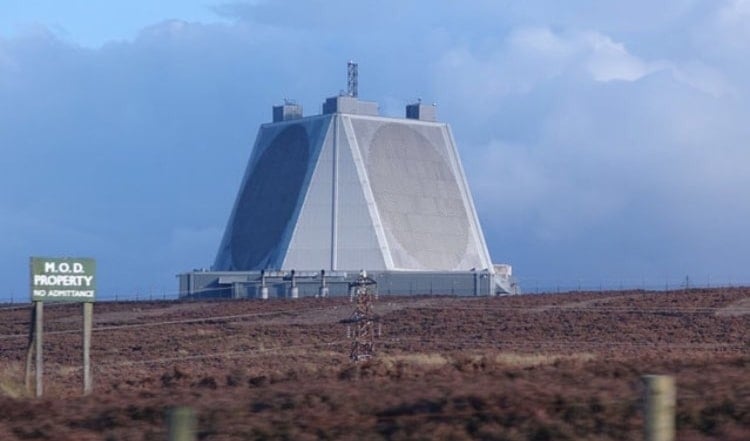
The US AN/FPS-132 radar stationed at a US base in Qatar, undated (Social media)
The Iranian Revolutionary Guard Corps (IRGC) conducted retaliatory strikes that targeted and destroyed the American AN/FPS-132 radar stationed at a US base in Qatar.
In a statement, the IRGC said the radar system, used to detect ballistic missiles, has a reported operational range of approximately 5,000 kilometers. The AN/FPS-132 early warning radar is considered a key component of the US missile defense infrastructure.
According to a 2013 notification by the US Defense Security Cooperation Agency, the system carries an estimated cost of around $1.1 billion. The strike was described by the IRGC as part of Iran’s broader response to the joint US-Israeli aggression against the country earlier.
According to Iranian state television, the radar was destroyed using the Shahed-136 UAV.
What is the AN/FPS-132?
The AN/FPS-132 in Qatar sits at the Qatar Early Warning Radar (QEWR) complex near Al‑Khor in the north of the country, and is manned and controlled by the United States.
It is a Block 5 version of the radar, reportedly costing around 1.06–1.1 billion dollars, with three phased‑array faces providing 360‑degree coverage out to roughly 4,800–5,000 km.
This radar is important because it functions as the Gulf’s most powerful ballistic‑missile early‑warning node, feeding long‑range detection data into Qatar’s layered air and missile defense (Patriot and other systems), as well as into US and allied networks.
By giving several extra minutes of warning and precise tracking for launches from Iran, Yemen, or beyond, it protects US forces at Al‑Udeid and other regional bases, strengthens US and Israeli interception chances, and contributes to a wider US strategy of missile‑defense coverage that also looks north toward Russian missile corridors


