
Israeli spyware firm accidentally exposes spyware control panel
 4 Min Read
Paragon Solutions accidentally exposed its Graphite spyware panel on LinkedIn, reigniting scrutiny over zero-click exploits and surveillance of journalists.
-
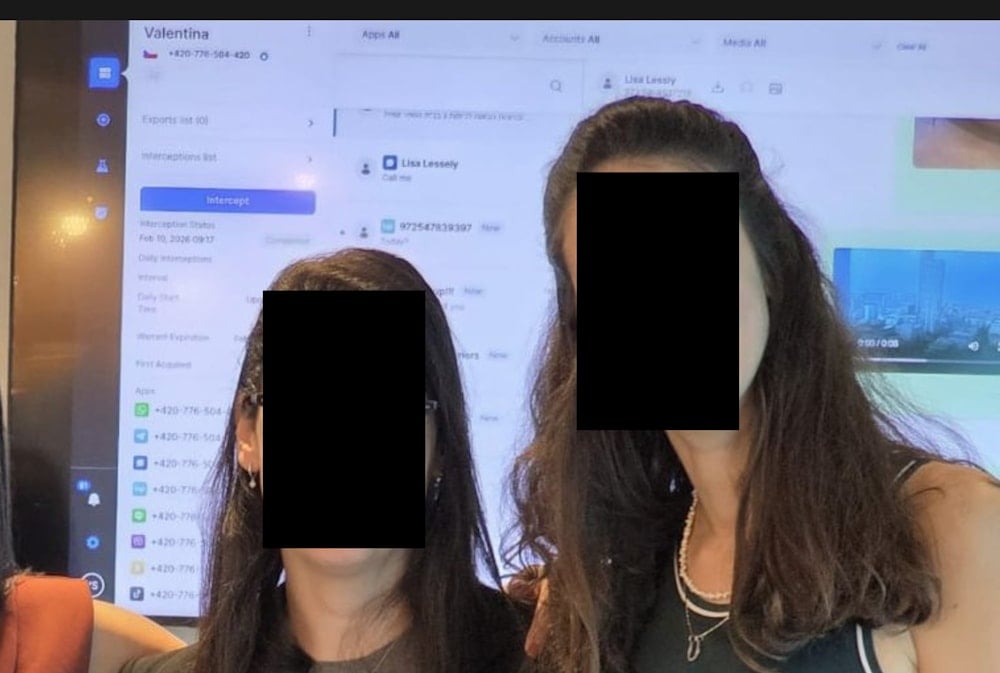
A picture on LinkedIn showing the Paragon spyware control panel, erroneously posted by the spyware firm, February 11, 2026 (LinkedIn)
An Israeli spyware firm, Paragon Solutions, accidentally exposed its secretive Graphite control panel in a LinkedIn post, triggering backlash from cybersecurity experts and renewing scrutiny over surveillance tools targeting encrypted communications.
Cybersecurity researcher Jurre van Bergen identified the now-deleted image, which was posted by the company’s general counsel on February 11, 2026. The screenshot displayed a dashboard featuring a Czech phone number labeled “Valentina,” active interception logs dated February 10, 2026, and monitoring interfaces designed to access encrypted platforms such as WhatsApp through zero-click exploits.
Citizen Lab senior researcher John Scott-Railton described the incident as an “epic OPSEC fail,” highlighting how operational security lapses can undermine the secrecy central to the mercenary spyware industry. Although the post was swiftly removed, the image circulated widely online.
Founded in 2019, Paragon markets Graphite as advanced surveillance software capable of remotely infiltrating mobile devices without user interaction. Often described as “mercenary spyware,” the tool can extract messages from encrypted apps, including WhatsApp and Signal, as well as stored files and live communications.
Alternative to notorious Pegasus
Paragon has positioned Graphite as a more regulated alternative to NSO Group’s Pegasus, yet allegations persist regarding its deployment against journalists and activists. In early 2025, WhatsApp accused Paragon of targeting 90 journalists and civil society figures via zero-click vulnerabilities, including Italian editor Francesco Cancellato of Fanpage.it.
Researchers at Citizen Lab linked Graphite to infrastructure in Israel and identified forensic artifacts such as “BIGPRETZEL” on compromised Android devices. The group also reported that Paragon’s government clients include Australia, Canada, Cyprus, Denmark, Israel, and Singapore.
In January 2025, the Trump administration publicly acknowledged US government purchases of Graphite to support ICE operations, further intensifying debate over state use of commercial spyware. Civil rights organizations have since documented deployments in Canada, including Ontario, warning of potential human rights violations tied to surveillance of activists.
While Paragon maintains that it sells exclusively to vetted governments, controversies surrounding the WhatsApp targeting claims and the recent disclosure continue to fuel concerns over accountability and oversight.
Apple, WhatsApp push back against spyware
Paragon Solutions and NSO Group, both founded in "Israel" and now owned by US investors, are actively seeking access to US agencies. Paragon, the developer of Graphite spyware, secured a deal with US Immigration and Customs Enforcement (ICE) in September after the Department of Homeland Security lifted a freeze on a $2 million contract.
Apple and WhatsApp have pledged to continue warning users when governments deploy hacking tools against them, even in the United States, as two controversial Israeli spyware companies expand their reach under the Trump administration.
Both Apple and WhatsApp have taken a firm position against the spread of spyware across the globe, and have alerted individuals across multiple nations whenever their devices were compromised, including Italy, Spain, India, and others.
Apple confirmed in a statement to The Guardian, “Threat notifications are designed to inform and assist users who may have been individually targeted by mercenary spyware, and geographic location is not a factor in who they are sent to.”
WhatsApp echoed the sentiment in a separate statement to The Guardian, stating, “WhatsApp’s priority is to protect our users by disrupting hacking efforts by mercenary spyware, building new layers of protection and alerting people whose device has come under threat, no matter where they are in the world.”
Read more: US judge rules Israeli NSO Group liable for WhatsApp hacking
Apple and WhatsApp’s parent company, Meta, has had previously cooperative ties with the Trump administration, raising concerns about how these firms might respond if US-based users are increasingly targeted by spyware.


