
Lula slams Trump's foreign policy, calls for UNSC interference
 3 Min Read
The Brazilian president criticizes the US foreign policy, calling it “unacceptable", and urges respect for national sovereignty and UN intervention to prevent war.
-
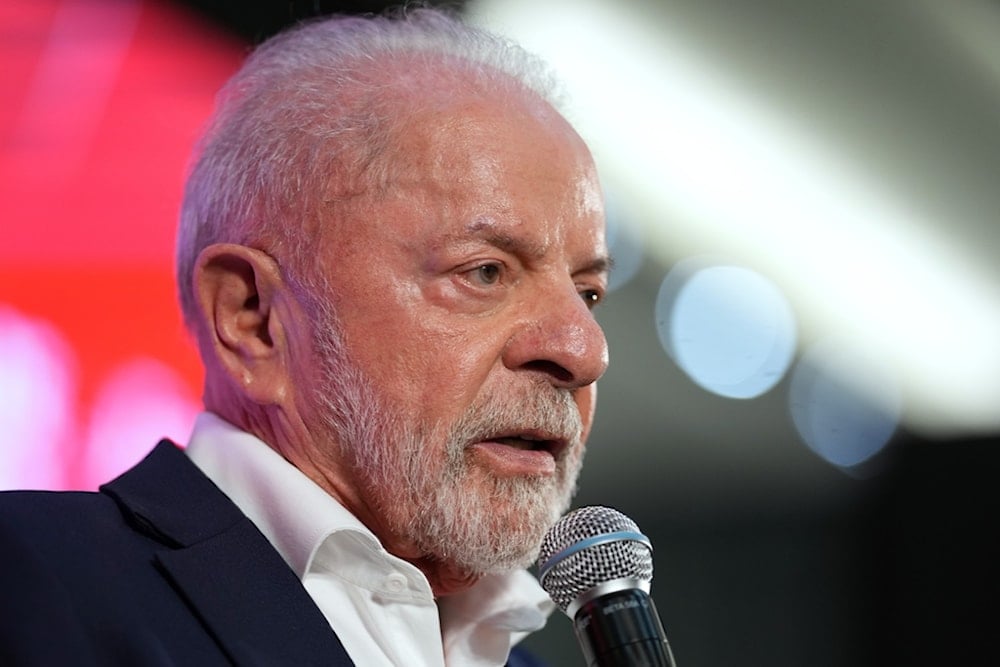
Brazilian President Luiz Inacio Lula da Silva speaks during a ceremony announcing outgoing Finance Minister Fernando Haddad's candidacy for governor of Sao Paulo state in the October elections, in Sao Bernardo do Campo, Brazil, March 19, 2026 (AP)
Brazilian President Luiz Inácio Lula da Silva sharply criticized Donald Trump’s approach to foreign policy on Friday, describing it as “unacceptable" and calling for respect for national sovereignty and territorial integrity.
He stated, “We must learn to respect the right of peoples to self-determination and the territorial integrity of states. No one can consider themselves the owner of the world and decide: today I will take Greenland, the Panama Canal, Cuba, or Venezuela.” Additionally, da Silva called on the United Nations Security Council to intervene and prevent war.
BREAKING : Brazilian 🇧🇷 President Lula da Silva openly revolted against Trump
— Amock_ (@Amockx2022) March 20, 2026
"You can't allow Trump to think that he owns the world. One day he bombs Iran, other day he wants Iceland. This can't be tolerated. I am against such war" 🔥🔥
Leaders across the world are… pic.twitter.com/qdoD4qJMIW
Although he reiterated that he does not support the Iranian government, Lula da Silva emphasized that this stance does not justify intervening in the internal affairs of any country.
"You can't allow Trump to think that he owns the world. One day he bombs Iran, other day he wants Iceland. This can't be tolerated. I am against such war," Lula stated.
A rift that started from tariffs
Tensions between Trump and Lula began escalating sharply in mid 2025, when the Trump administration slapped 50 % tariffs on Brazilian goods, a move Lula condemned as politically motivated and an interference in Brazil’s sovereign affairs. Lula explicitly rejected direct engagement with Trump, saying outreach would be a “humiliation" and instead sought support from other global leaders.
Relations deteriorated further as Trump’s foreign policy grew more assertive. Lula openly criticized US “unilateral attacks” on Brazilian institutions and sovereignty, accusing Washington of arbitrary sanctions and punitive measures tied to domestic Brazilian legal processes.
In October 2025, Trump’s military pressure on Venezuela, part of a broader US counter‑narcotics and regime‑change strategy, deepened the rift, with Lula denouncing such moves as dangerous precedents that threaten regional stability and violate international norms. Latin American peers echoed this critical stance, insisting US actions bordered on bullying.
By January 26, 2026, the abduction of Venezuelan President Nicolás Maduro by US forces intensified Brazilian criticism, with Lula calling it an act that “crosses an unacceptable line” and undermines peace prospects. This event underscored broader Latin American alarm over Trump’s aggressive approach in the Western Hemisphere.
Despite occasional diplomatic gestures, the relationship remains strained, shaped by Lula’s firm resistance to what he views as US overreach and Trump’s willingness to employ economic coercion and military force, revealing deeper ideological clashes over sovereignty, multilateralism, and the role of powerful states in global affairs.


