
MP Fadlallah to Al Mayadeen: Iranian pressure secured the agreement
 3 Min Read
Iran's sustained pressure on Washington secured a Lebanon ceasefire set to begin midnight Beirut time, MP Fadlallah told Al Mayadeen.
-
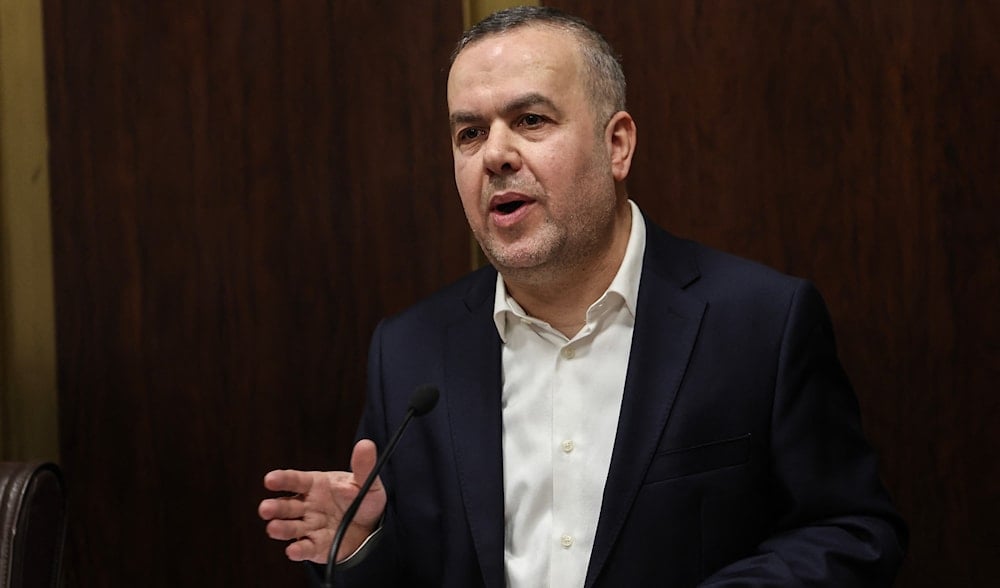
Lebanese lawmaker Hassan Fadlallah speaks during a news conference at the Lebanese Parliament in Beirut on April 15, 2026. (Photo by ANWAR AMRO / AFP)
Loyalty to the Resistance bloc MP Hassan Fadlallah told Al Mayadeen that Iran's sustained diplomatic efforts were directly responsible for securing a ceasefire agreement covering Lebanon, following Trump's announcement that a 10-day truce would begin at midnight Beirut time Thursday.
Fadlallah said the Iranian ambassador in Lebanon had communicated to the Lebanese side that Iranian efforts had yielded a ceasefire agreement that includes Lebanon. "The American side said they would inform the Israeli enemy's prime minister of this decision," Fadlallah said, adding that the Lebanese President had also been informed.
View this post on Instagram
He stressed that Iranian officials would be monitoring Washington's adherence to its commitments, and that the continuation of US-Iranian talks hinges on the implementation of this agreement.
Fadlallah highlighted that the ceasefire's durability ultimately depends on Israeli compliance with its stipulations, warning that "we are used to the Israeli entity violating its pledges."
Fadlallah said the parties had returned to the original agreement reached in Islamabad, and that "the Lebanese issue was put on the right track."
The Resistance, he added, would be monitoring Israeli adherence to the cessation of hostilities across all of Lebanon.
Iranian source told Al Mayadeen ceasefire was imminent
The ceasefire announcement came one day after Al Mayadeen had exclusively reported, on Wednesday, that the deal was imminent, citing a senior Iranian political-security source who said it had been secured through direct Iranian pressure.
"With much follow-up and pressure from Iran, a ceasefire in Lebanon will be approved as of tonight," the source told Al Mayadeen, noting that the truce's duration would be one week, running through the end of the existing ceasefire period between Iran and the United States.
The source flagged the risk of Israeli disruption, saying that Netanyahu, as "the disruptive element he is," could attempt to undermine the agreement. However, the source stressed that Iran was dealing with Washington as the party responsible for restraining the Israeli prime minister.
Trump announces the ceasefire
US President Donald Trump announced on Thursday that a 10-day ceasefire in Lebanon would begin at 5:00 pm Eastern Time, midnight in Beirut, following what he said were "excellent conversations" with Lebanese President Joseph Aoun and Israeli Prime Minister Benjamin Netanyahu.
Trump said both leaders had agreed to formally initiate a temporary truce, posting on Truth Social that the move was aimed at achieving "peace" between Lebanon and the Israeli regime.
The announcement, however, came after sustained Iranian diplomatic pressure rather than US-led mediation alone. Iran had explicitly linked any de-escalation in Lebanon to broader regional conditions, including the status of the Strait of Hormuz, operating under a "ceasefire for all or none" framework.
Iranian officials had made clear that their conditions were tied to wider strategic guarantees, rejecting unconditional de-escalation and embedding Hormuz as a central element of any agreement.
Despite the public framing of the ceasefire as a product of US diplomatic initiative, the sequence of events, including Iran's direct pressure on Washington, the Islamabad framework, and Tehran's insistence on monitoring compliance, points to Iranian leverage as the decisive factor in bringing the agreement about.
READ MORE: Haaretz: IOF prepares for ceasefire in Lebanon Thursday evening


