
Pakistan seeks second round of US-Iran talks in Islamabad
 2 Min Read
Pakistani Prime Minister Shehbaz Sharif expressed hope for a second round of direct US-Iran talks in Islamabad aimed at achieving a lasting peace agreement.
-
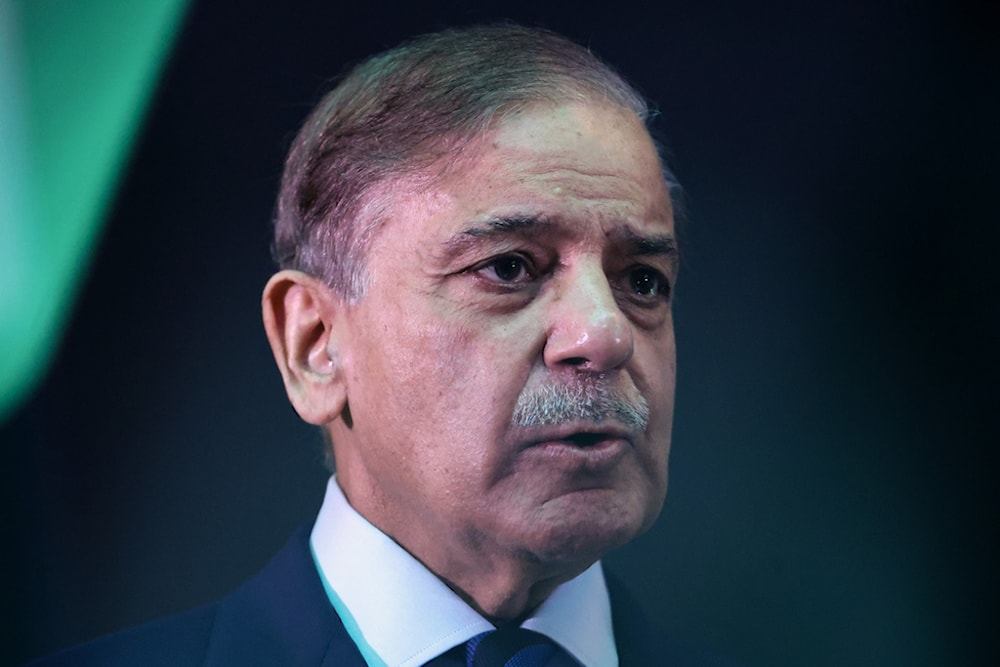
Pakistan's Prime Minister Shehbaz Sharif looks on during a business and investment conference he attended with Malaysia's Prime Minister Anwar Ibrahim during Sharif's official visit, in Kuala Lumpur, Malaysia, Monday, October 6, 2025 (AP)
Pakistani Prime Minister Shehbaz Sharif expressed hope that a second round of direct talks between the United States and Iran would take place in Islamabad, saying such negotiations could pave the way for a “lasting peace” between the two sides.
Sharif said Pakistan remains “optimistic about achieving permanent peace between the United States and Iran,” adding that Islamabad is working to “do its utmost” to guarantee that outcome through hosting a new round of negotiations, according to remarks cited by the British newspaper The Times.
The Pakistani premier’s comments come amid continued diplomatic efforts aimed at containing tensions linked to the war on Iran, alongside growing regional and international attempts to revive negotiations between Washington and Tehran.
Pakistan expands mediation role between Washington and Tehran
Pakistan has been leading mediation efforts between the US and Iran in recent weeks following talks hosted in Islamabad last month between American and Iranian delegations.
The discussions were held within the framework of the ceasefire agreement that has been in effect since April 8, though the negotiations did not produce a final settlement capable of ending the war.
Islamabad has increasingly positioned itself as a regional mediator seeking to prevent further escalation and encourage diplomatic engagement between the two sides.
Negotiations follow weeks of US-Israeli aggression
The diplomatic efforts come after weeks of military escalation involving the United States and "Israel" against Iran.
Iranian officials have repeatedly condemned the attacks as violations of Iranian sovereignty and international law, while stressing that Tehran reserves the right to defend itself against aggression.
The ceasefire brokered in April temporarily reduced direct confrontation, though regional tensions remain high as negotiations continue.
The latest diplomatic contacts are unfolding amid broader instability across West Asia and ongoing concerns over the possibility of renewed escalation.
Read more: Iran replaces UAE ports with Pakistan corridor to break US blockade


