
Rubio plans Gulf tour after Iran-US signing: Axios
 2 Min Read
US Secretary of State Marco Rubio will visit Gulf states as Washington seeks to preserve the Iran agreement.
-
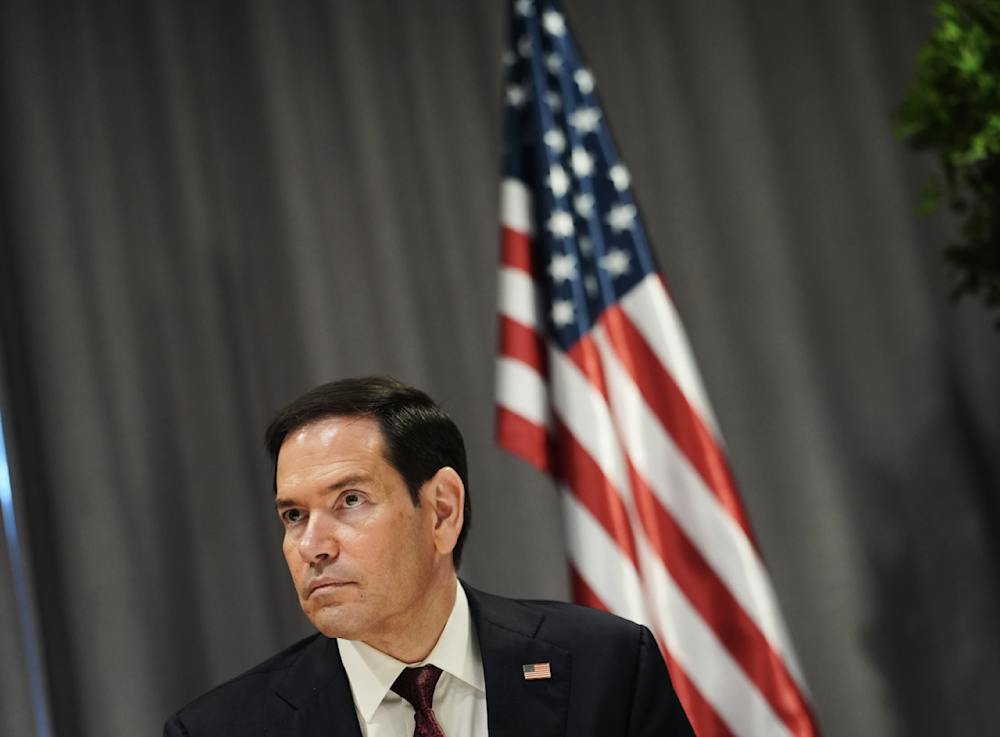
United States Secretary of State Marco Rubio, during a signing ceremony on the sidelines of a meeting of NATO foreign ministers in Helsingborg, Sweden, Friday, May 22, 2026. (AP)
United States Secretary of State Marco Rubio is scheduled to visit Gulf states next week, with planned stops in Kuwait, the United Arab Emirates, and Bahrain, according to media reports on Friday.
Axios reported the itinerary, while a State Department official told Anadolu Agency that there are currently “no travel announcements to make at this time.”
If confirmed, the trip would represent one of the highest-level US diplomatic engagements in the Gulf since Washington and Tehran signed a memorandum of understanding earlier this week, initiating a 60-day negotiating process aimed at ending the ongoing four-month US-Israeli war on Iran.
Gulf role in emerging Iran-US framework
According to the framework outlined in the Iran-US memorandum of understanding, Gulf states are positioned as diplomatic facilitators, strategic stakeholders, and financial contributors within the proposed post-war arrangement.
The document reportedly assigns Oman and other Gulf littoral states a lead role in facilitating dialogue over the future administration of the Strait of Hormuz, including the establishment of a long-term maritime governance framework. It also emphasizes maintaining freedom of navigation and restoring commercial traffic levels to pre-conflict conditions during the initial implementation period.
Financial and reconstruction provisions
The memorandum also links “regional partners,” widely understood to include Gulf Cooperation Council states, to a proposed reconstruction funding mechanism for Iran, estimated at around $300 billion. The plan envisions Gulf participation alongside the United States in post-war rebuilding efforts.
However, Gulf capitals, including the United Arab Emirates and Saudi Arabia, are reported to have expressed reservations over contributing to reconstruction financing, citing concerns over regional security risks and past attacks on their infrastructure.
Diplomatic mediation and de-escalation channels
Gulf states, particularly Qatar and Oman, have played a central role in maintaining back-channel communication between Washington and Tehran throughout the escalation period. These mediation efforts are credited with helping shape the conditions for the current ceasefire and negotiating framework.
Gulf countries have broadly welcomed the de-escalation, viewing it as essential to safeguarding critical infrastructure.
Read more: Iran cancels Swiss trip due to Israeli attacks on Lebanon: Sources


