
Russia withdraws from Open Skies Treaty, cites Washington as reason
 3 Min Read
After US' withdrawal from the treaty in 2020, Russia has finally backed out, too.
-
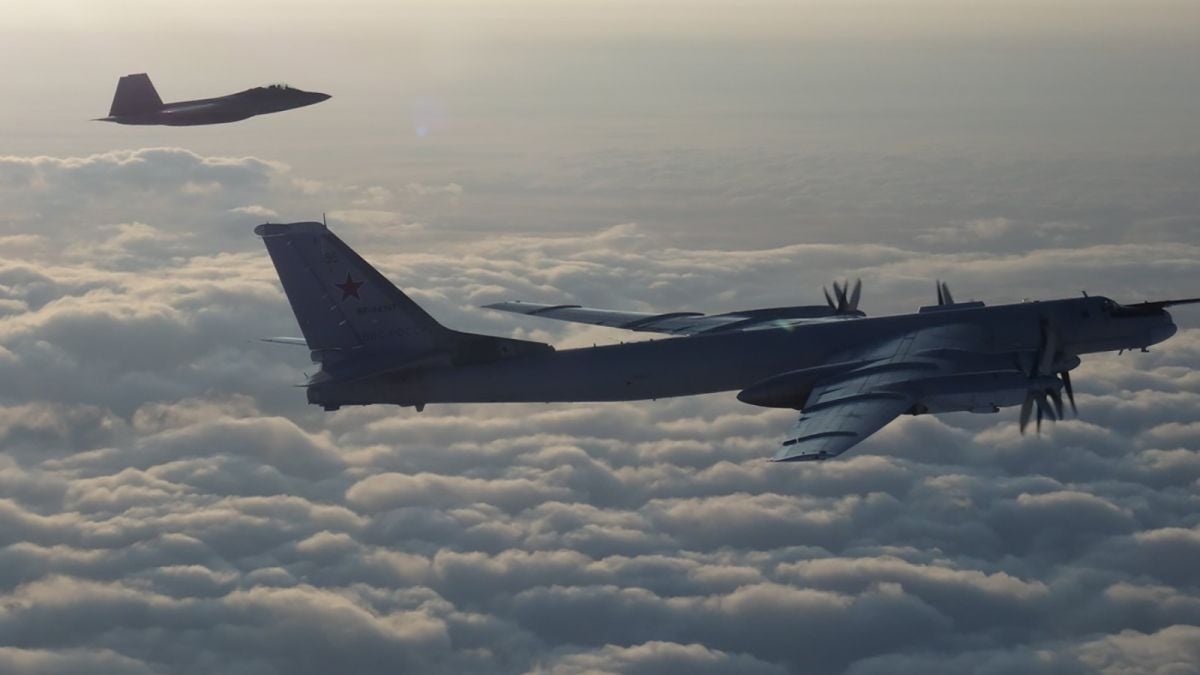
Russia withdraws from Open Skies Treaty
On Saturday, Russia announced its official withdrawal from the Treaty on Open Skies, according to state media.
Russia called quits on the law on June 7, 2021, notifying parties of its withdrawal on June 18, which has come into effect Saturday.
The treaty originally came into effect in 2002 and allows involved parties to conduct short-notice, unarmed reconnaissance flights over their territories to collect data on military forces and activities in order to build trust and mutual accountability.
In November 2020, the US announced its withdrawal from the treaty when Trump was in office, accusing Russia of “violating” the treaty.
Russia contends that the collapse of the treaty is attributed to Washington.
"Regrettably, our efforts did not allow us to preserve the treaty in the form in which its authors conceived it," the Russian Foreign Ministry said in a statement.
On Friday, Konstantin Gavrilov, the head of the Russian delegation to the Vienna Negotiations on Military Security and Arms Control, said that Russia has been trying to uphold the treaty till the very end, according to TASS.
"The future of the Open Skies Treaty lies completely with the remaining states parties, though its territorial coverage will significantly decrease, provided the treaty remains in effect without Russia and the United States. The value of the political and informational aspects will also be impaired considerably," Gavrilov said.
Furthermore, Russia affirmed its responsibility to monitor its territories after its withdrawal from the treaty. Gavrilov continued to say that Moscow "has a satellite constellation capable of following any movement of armed forces both in Europe and on the other side of the Atlantic.”
Easing the tension?
Moscow put forward on Friday a proposal that aims to limit the US and NATO expansion in ex-Soviet republics amid Ukraine tensions.
The proposal would obligate Washington and its allies to suspend NATO's eastward expansion to include other ex-Soviet countries and to renege on a 2008 pledge to admit Ukraine and Georgia.
They would also prohibit the United States and its allies from establishing military facilities on the territory of Ukraine, Georgia, and other ex-Soviet republics that are not NATO members.
The highlights of the document include NATO pledges that it will not offer membership to Ukraine. Russia also demanded NATO removes all its military infrastructure in Eastern Europe after 1997.
Russia's proposal also includes a commitment not to install intermediate-range missiles in locations where they may target the opposing party's territory, a provision that follows the United States and Russia's departure from a Cold War-era treaty prohibiting such weapons.


