
Syria restores rights to Kurds in landmark decree
 5 Min Read
Syria issues a historic decree restoring citizenship to all Kurds, recognizing Kurdish as a national language, and declaring Nowruz an official holiday.
-
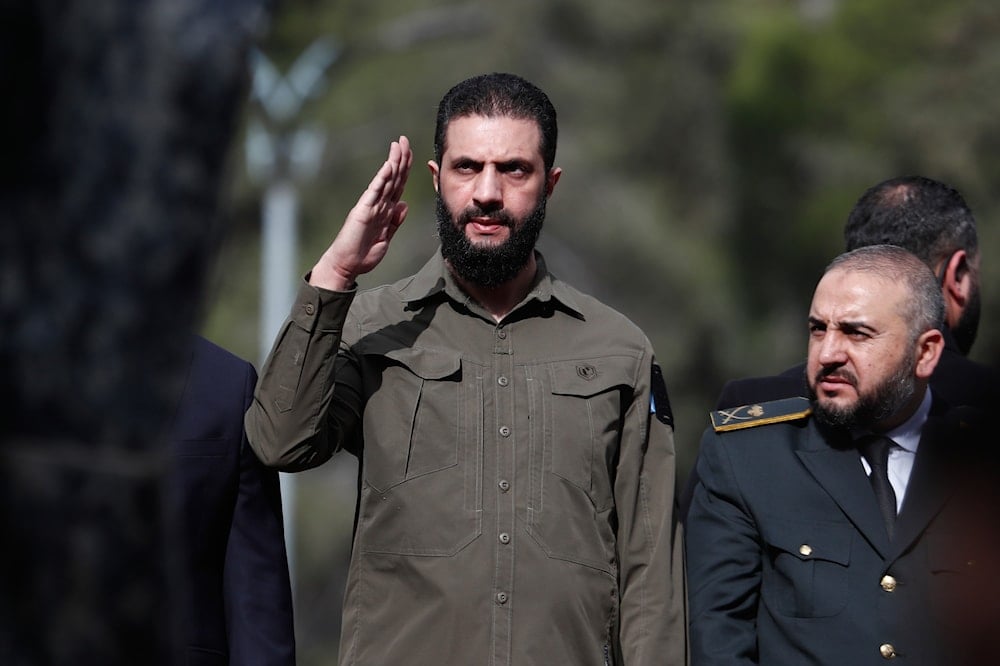
Syria's interim president, Ahmad al-Sharaa, salutes during celebrations marking the first anniversary of the ousting of former President Bashar Assad in Damascus, Syria, on December 8, 2025. (AP Photo/Omar Sanadiki)
The Syrian presidency issued a decree on Friday restoring full citizenship rights to all Kurds residing in the country, in a significant move aimed at correcting decades-old policies. According to the Syrian Arab News Agency (SANA), the decree affirms that Syrian Kurds are an integral component of the nation and guarantees their equal rights under the law.
The measure explicitly cancels the outcomes of the 1962 al-Hasakah census, which had stripped thousands of Kurds of their Syrian citizenship. That being said, the decree grants citizenship to all Kurds residing in Syria, including those previously unregistered, and ensures their complete equality in rights and duties.
As part of the decree, the Syrian state has recognized the Kurdish language in Syria as a national language. The language is to be taught in public and private schools in areas where Kurds make up a significant portion of the population. Instruction will be optional and integrated either into the curriculum or as part of cultural and educational activities.
The decree also underscores that Kurdish identity is “an integral part of the diverse and unified Syrian national identity,” highlighting a shift toward broader cultural inclusion.
In another historic step, Nowruz, celebrated on March 21, has been declared an official paid holiday across the Syrian Arab Republic. The recognition of Nowruz is meant to reflect “spring and fraternity,” serving as a national symbol of cultural diversity and unity.
The decree also prohibits any form of discrimination or exclusion based on ethnicity or language. It mandates Syrian media and educational institutions to adopt a national discourse that promotes inclusivity and unity. Penalties will be imposed on individuals or entities that incite national strife or spread sectarian rhetoric.
This comprehensive approach aims to address long-standing grievances while fostering national cohesion.
Autonomous Administration of North and East Syria statement
In turn, the Autonomous Administration of North and East Syria issued an official statement in response to the recent decree by al-Sharaa, concerning the rights of Kurdish citizens in Syria.
In its statement, the Autonomous Administration emphasized that Kurdish rights in Syria, and the rights of all communities, cannot be preserved by temporary measures or unilateral decisions. Instead, they must be guaranteed through a comprehensive and lasting constitutional framework that reflects the will of all components of Syrian society. "The issuance of any decree, regardless of intention, cannot constitute a genuine guarantee of rights unless it is part of a broader, inclusive constitutional process," the statement read.
The Social Contract of the Autonomous Administration reiterates the need for a pluralistic, democratic constitution that affirms the rights of all Syrian communities and beliefs, describing Syria’s diversity as a source of strength and unity, not division.
The Administration argued that the future of the country must be based on a decentralized solution in Syria, where all ethnic and religious groups are represented and protected equally under a state founded on justice, citizenship, and democratic values.
While recognizing the Syrian Interim Government’s decree as a symbolic and potentially constructive gesture, the Autonomous Administration stated that it falls short of the broader demands of the Syrian people.
The statement emphasized that Syrians have sacrificed immensely in pursuit of a just, inclusive political system. A temporary decree, it said, cannot replace the need for a lasting political solution built on democratic constitutional principles and equal representation.
Concluding its message, the Autonomous Administration of North and East Syria called for a comprehensive national dialogue as the only viable path forward. It reaffirmed that the long-term resolution of issues related to rights and freedoms must come through a democratic constitution that enshrines equal rights for all and establishes genuine partnerships among Syria’s diverse communities.
Clashes in Aleppo and SDF withdrawal
The move follows a week of violent clashes in the Aleppo region, which resulted in dozens of casualties and the displacement of over 150,000 people from Kurdish-controlled areas. The escalation ended after Kurdish forces withdrew from front-line positions.
Mazloum Abdi, the commander-in-chief of the Syrian Democratic Forces (SDF), announced the redeployment of his forces to areas east of the Euphrates. He stated the move came “in response to calls from friendly countries and mediators, and as a demonstration of our good faith in completing the integration process and our commitment to implementing the terms of the March 10th agreement.”
The Syrian government's decision to restore citizenship rights to Syrian Kurds, recognize their language, and celebrate their cultural heritage marks a significant development in the country’s internal reconciliation efforts. It signals an attempt to move beyond past exclusions and reaffirm the diverse nature of Syria’s national identity.


