
Taiwan leader to push ahead with defense spending after budget cuts
 2 Min Read
The regional president of Taiwan, Lai Ching-te, says he will not give up on increasing defense spending after parliament cut parts of a $40 billion military budget,
-
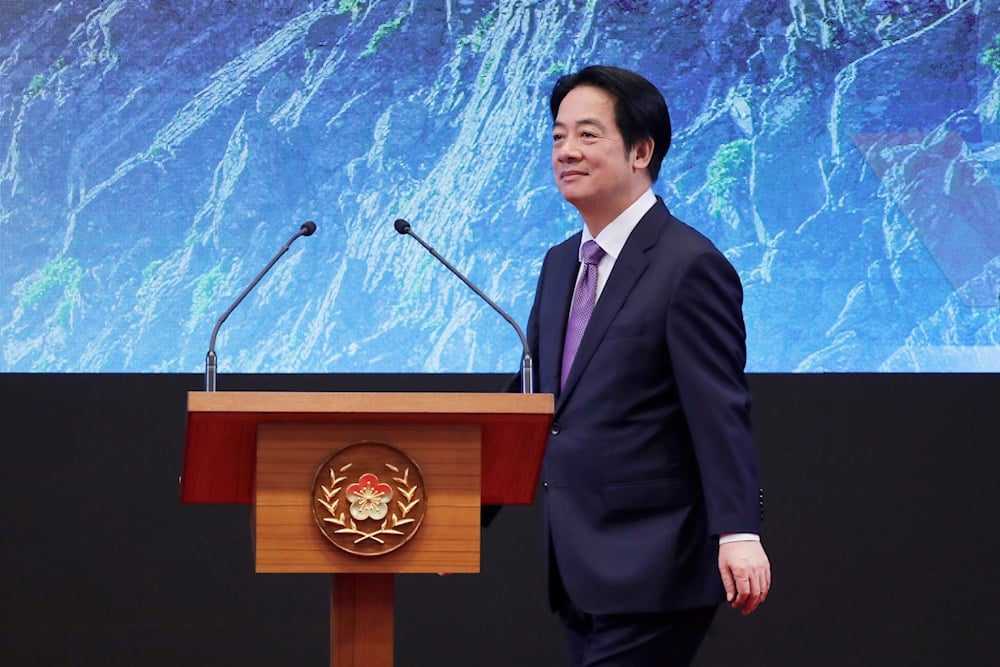
Taiwanese President Lai Ching-te attends a press conference to mark his second anniversary in office in Taipei, Taiwan, on May 20, 2026. (AP Photo/Chiang Ying-ying)
The regional president of Taiwan, Lai Ching-te, said on Tuesday that he will "not give up" on efforts to increase defense spending, following a decision by the opposition-majority parliament last month to approve only two-thirds of a $40 billion supplementary military budget.
The cuts mark a setback for the government’s broader military modernisation plans, which are centred on developing asymmetric capabilities such as drones and missile systems.
Taiwan’s government has prioritized investment in drones and other asymmetric warfare systems as part of its defense strategy. However, lawmakers only approved funding for US-supplied weapons, rejecting allocations for domestically produced drones and missile systems promoted by the administration.
President Lai has argued that local production is essential for strengthening deterrence.
Speaking at a military base in New Taipei, Lai said: "Regarding the major cuts to the special national defense budget, we will not give up".
He added that the government would explore "separate special legislation" or supplementary budget measures to ensure that defense equipment and infrastructure projects continue without disruption.
Plans to increase defense spending to 5% of GDP
Lai has set an ambitious target of raising Taiwan’s defense spending to 5% of GDP by 2030, up from around 3% at present. The plan aligns with calls from the US, including the Trump administration, for allies to increase military expenditure.
Lai said Taiwan’s military must continue adapting to "rapidly changing regional circumstances", emphasizing improved combat readiness and greater use of emerging technologies such as drones.
His remarks come as Washington has also urged Taipei to "spend smarter" on defense, drawing lessons from the use of drones in wars in Ukraine and West Asia.
During a visit on Tuesday, Lai inspected key radar installations in the mountains surrounding Taipei, which monitor Chinese military activity.
"I saw our servicemen and women monitoring aerial activity around the clock, identifying targets in the waters off northern Taiwan, and transmitting intelligence", he said.
He added that their work provides “the most immediate and precise support” for Taiwan’s overall defence response.


