
Third Turkish vessel exits Hormuz under coordinated transit framework
 2 Min Read
A third Turkish vessel has safely exited the Strait of Hormuz under Iran-coordinated transit measures.
-
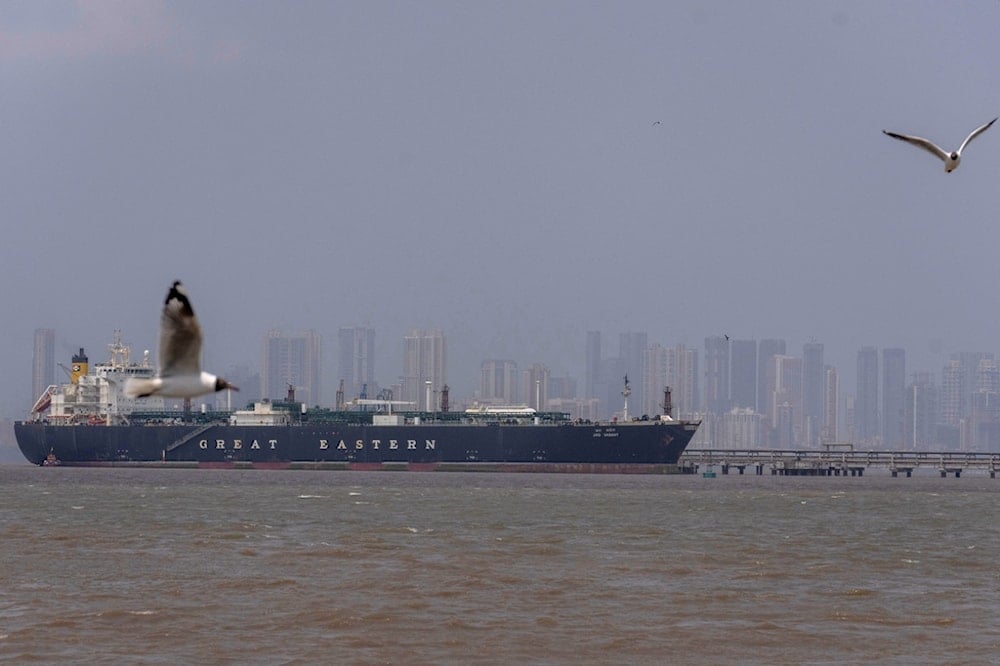
The Indian flagged LPG carrier Jag Vasant, transporting liquefied petroleum gas, is seen at the Mumbai Port in Mumbai, India, after it arrived, clearing the Strait of Hormuz, Wednesday, April 1, 2026 (AP Photo/Rafiq Maqbool)
A third Turkish-owned vessel has successfully exited the Gulf through the Strait of Hormuz, as maritime transit continues under coordination with Iran.
Transport and Infrastructure Minister Abdulkadir Uraloglu said on Monday that the tanker Ocean Thunder, carrying crude oil from Iraq to Malaysia, completed its passage safely following coordination efforts involving the Turkish Foreign Ministry and Iran.
The latest passage brings the number of Turkish-owned vessels that have departed the Gulf safely to three.
Uraloglu noted that 12 Turkish-owned ships remain in the vicinity of the strait, with eight of them having submitted departure requests. These vessels carry a total of 156 personnel, whose safe transit remains a priority.
He said authorities are maintaining uninterrupted efforts to facilitate the movement of these ships, adding that the ministry will continue monitoring developments affecting Turkish vessels and crews in coordination with the Foreign Ministry and other institutions.
Hormuz Transit Shift
Maritime traffic through the Strait of Hormuz has been operating under a restricted, Iran-coordinated framework since Tehran imposed retaliatory measures in response to the US-Israeli aggression launched on February 28.
Under this system, vessels are required to coordinate passage with Iranian authorities, with transit selectively permitted for non-hostile ships.
The current framework is also unfolding within a broader transformation in global energy dynamics, as Iran advances non-dollar trade mechanisms in response to US aggression and longstanding sanctions pressure.
Recent reports have indicated that some vessels have conducted transit-related payments in currencies such as the Chinese yuan or through other non-dollar channels.
Such developments reinforce ongoing efforts to reduce reliance on the US dollar in global oil trade.
Read more: Iran turns Strait of Hormuz into long-term strategic lever: RS


