
US, Iran to resume talks after Washington violated MoU with strikes
 3 Min Read
Iran and the United States are set to resume talks in Doha after Washington violated the June 17 MoU.
-
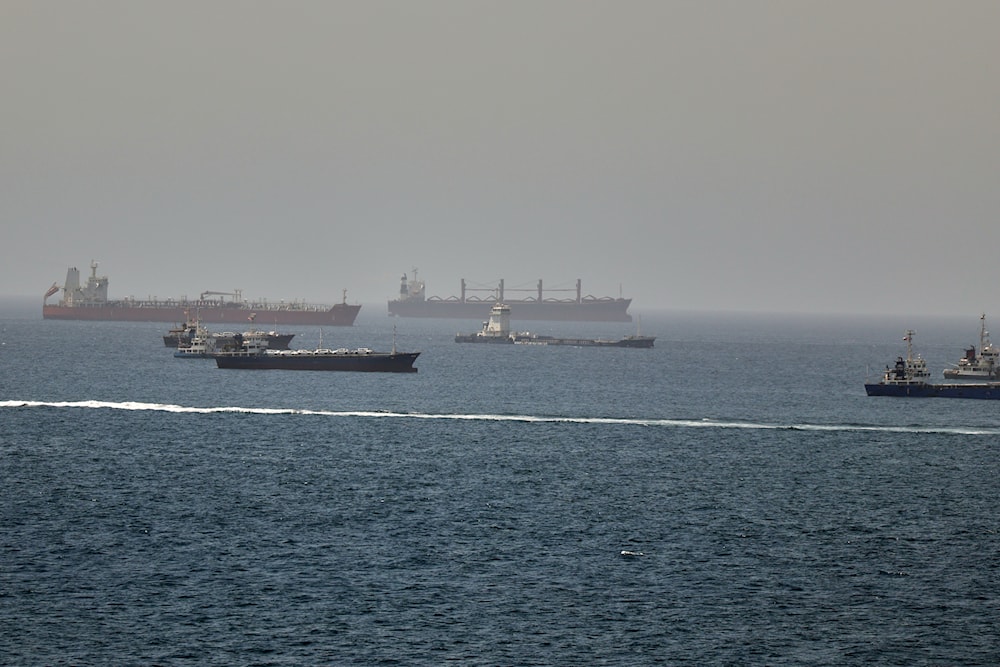
Tankers and cargo vessels are seen in the Gulf of Oman, along shipping routes linking the Strait of Hormuz and the Arabian Sea, Tuesday, June 16, 2026 (AP)
The United States and Iran are set to resume talks in Qatar after Washington violated a fragile memorandum of understanding aimed at ending the war on Iran and restoring secure passage through the Strait of Hormuz.
A US official said late Sunday that the two sides had agreed to halt attacks for the time being and return to technical discussions on the June 17 MoU, covering all clauses.
"Technical talks are slated to continue on all areas of the MoU," the official told AFP in an email. "Both sides will stand down for now and vessels can move freely."
The official did not specify where or when the next round would take place. However, Axios, citing two US officials and another source familiar with the matter, reported that discussions are expected to resume on Tuesday in Doha. CNN also cited a Trump administration official as saying that both sides would "stand down for now" and meet in the Qatari capital for further talks.
Iran defends Hormuz sovereignty
The diplomatic track was revived after days of escalation triggered by renewed US aggression against Iranian coastal surveillance facilities. Iran’s Foreign Ministry denounced the attacks as a blatant violation of the UN Charter and a direct breach of the MoU, stressing that Washington had once again undermined its own commitments.
Tehran has maintained that its response came within its inherent right to self-defense after the United States targeted Iranian territory under the pretext of protecting commercial shipping. The IRGC Navy said it struck US military positions in the region in response to the aggression, warning that continued US violations would be met with firm retaliation.
The latest tensions center on the Strait of Hormuz, a strategic waterway through which a major share of global energy shipments passes. Under the MoU, Iran is responsible for ensuring the safe passage of commercial vessels through the strait, while Washington agreed to lift its blockade of Iranian ports.
Iranian Foreign Minister Abbas Araghchi has stressed that the reopening of the Strait of Hormuz falls solely under the responsibility of the Islamic Republic, warning against foreign interference or attempts to impose alternative arrangements outside Tehran’s framework.
Sovereignty over coercion
For Iran, the issue is one of sovereignty and regional security. Tehran has repeatedly said that stability in the Gulf cannot be achieved through US military pressure, naval intimidation, or externally imposed mechanisms that sideline regional states.
The MoU also links de-escalation to a broader halt to the war on all fronts, including Lebanon, where continued Israeli attacks have raised fresh questions about Washington’s willingness to restrain "Israel". Iranian officials have warned that any attempt to separate the Hormuz file from the wider US-Israeli aggression would weaken the agreement’s foundations.
Despite the renewed push for talks, US President Donald Trump continued to issue threats against Tehran. Speaking on Saturday, Trump warned that Iran would "no longer exist" if the United States is "forced" to resume the war.
Read more: US Navy base in Bahrain faces $400 million reconstruction bill


