
US lawmakers kept in the dark as Iran deal remains under wraps
 3 Min Read
US lawmakers from both parties demand access to the Trump administration's memorandum with Iran, prompting debate over congressional oversight.
-
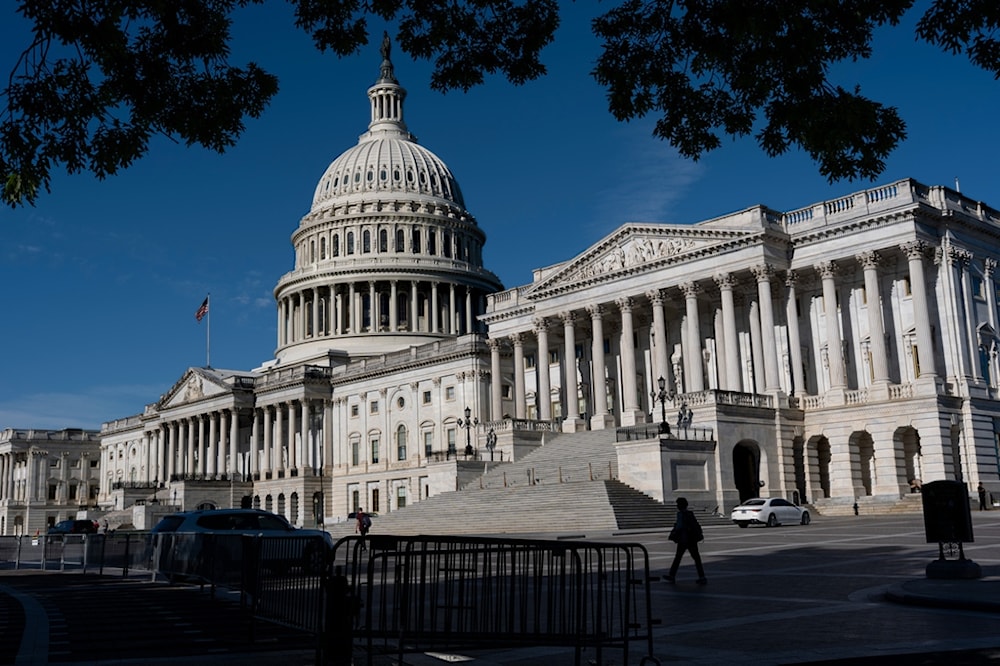
The Capitol is seen in Washington, Tuesday, June 16, 2026 (AP)
US President Donald Trump said Tuesday he would be willing to submit the recently announced memorandum of understanding with Iran to Congress for review, as lawmakers from both parties demanded access to an agreement intended to consolidate the ceasefire that followed months of US-Israeli aggression against Iran, Reuters reported.
The memorandum, announced Sunday after weeks of negotiations and regional mediation efforts, is expected to extend the existing ceasefire, reopen the Strait of Hormuz to international shipping, and lay the groundwork for further discussions on sanctions relief and broader regional security issues.
Yet despite its significance, the agreement has not been released publicly, nor has its text been shared with Congress, prompting criticism from both Democrats and Republicans.
Trump said he was receptive to congressional review of the memorandum.
"I like the idea," he told reporters during a meeting with UAE President Mohamed bin Zayed Al Nahyan on the sidelines of the G7 summit in France.
The US president said he would prefer to wait until after a formal signing ceremony expected later this week before submitting the document to lawmakers.
Lawmakers demand details
Members of Congress continued to press the administration for information regarding the agreement, arguing that they have been largely excluded from discussions surrounding a major diplomatic development.
Senate Democratic leader Chuck Schumer criticized the White House for failing to provide details.
"We've been told dozens of times that the war is over and dozens of times we've been disappointed," Schumer said.
"It's been two days since Trump claimed he had reached an 'understanding' with Iran and he still hasn't released any details... about what it actually is," he added.
Schumer called for classified briefings for senior congressional leaders and urged the administration to disclose the contents of the memorandum to both lawmakers and the public.
No such briefings had been announced as of Tuesday.
Rare bipartisan criticism
The concerns were not limited to Democrats. Several Republicans also expressed frustration over the lack of transparency surrounding the agreement.
Senate Republican leader John Thune said lawmakers were still attempting to obtain a copy of the memorandum.
"We're trying to get it," Thune said.
Describing the situation as unusual, he added, "Since I've been in this job, we haven't had this issue."
Republican Senator Thom Tillis similarly questioned the administration's approach.
"If it's a secret deal, then how can I take it seriously?" he said.
Tehran focused on implementation
For Iranian officials, the central issue remains whether any agreement will translate into concrete actions rather than political declarations.
Tehran has consistently maintained that its nuclear program serves peaceful purposes and has argued that any durable understanding must include meaningful economic measures, including the removal of sanctions, the restoration of normal trade and energy exports, and guarantees against future violations of US commitments.
Against that backdrop, the debate unfolding in Congress is likely to be viewed in Tehran as another test of Washington's ability to deliver on the obligations it undertakes.
While US lawmakers continue to seek details of the memorandum, Iranian officials are expected to judge the agreement primarily by its implementation, particularly whether promised economic and diplomatic commitments are ultimately carried out.
Read more: Terms of Iran-US MoU revealed: Bloomberg


