
US sanctions 8 Iranians, 6 entities following ceasefire collapse
 3 Min Read
US Treasury sanctions 8 individuals and 6 entities tied to Iran, the first such move since the June 17 MoU, as Trump declares the ceasefire over.
-
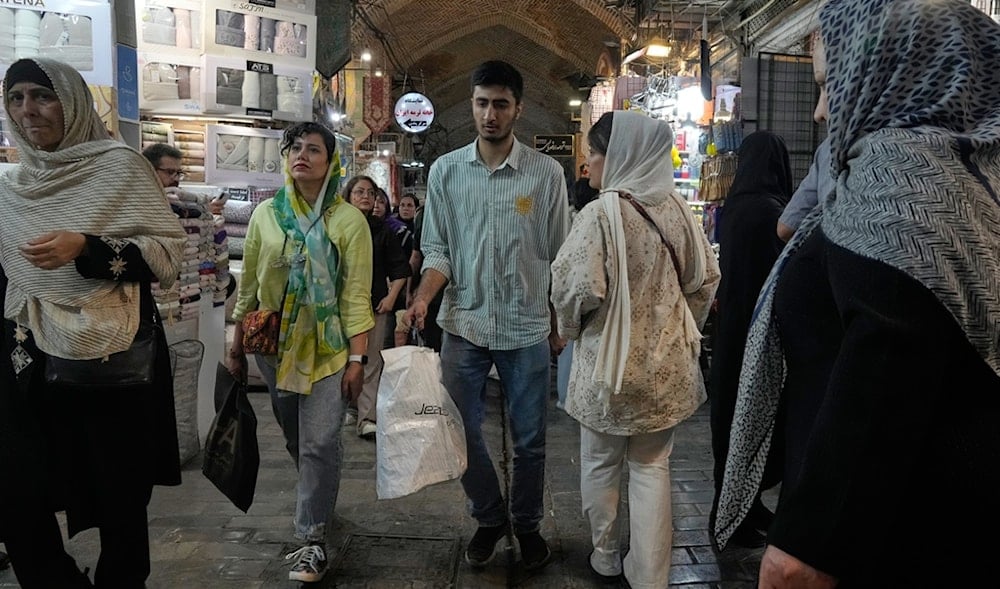
People walk at Tehran's historic Grand Bazaar, Iran, Monday, June 1, 2026. (AP Photo/Vahid Salemi)
The US Treasury Department announced fresh sanctions on Iran-linked individuals and companies on Friday, adding eight people and six entities to its list of designated targets.
Among those newly blacklisted is Iranian financier Ali Ansari, whom Treasury accuses of maintaining links to Leader Sayyed Mojtaba Khamenei and the Islamic Revolution Guard Corps (IRGC).
The latest round also hits several Iranian currency exchange houses, along with three companies registered abroad: Hong Kong-based CDM Trading Limited, the UAE's Naba Alzaki Raw Materials Trading LLC, and Smart Global Limited, incorporated in Saint Kitts and Nevis.
Today, following Iran’s resumption of attacks on international shipping in the Strait of Hormuz, Treasury’s Office of Foreign Assets Control (OFAC) sanctioned an Iranian financial facilitator who has effectively institutionalized large‑scale embezzlement within the Iranian…
— Treasury Department (@USTreasury) July 10, 2026
Smart Global Limited has until August 9, 2026, to complete previously initiated transactions necessary to terminate its existing business relationship, the Treasury's Office of Foreign Assets Control stated in its new general license. However, any payments to sanctioned persons must be transferred to blocked accounts.
The license also does not permit transactions with other sanctioned persons or any other prohibited transactions unless a separate permit has been issued for them.
Earlier on Friday, Trump claimed Washington had agreed to continue negotiations with Iran, alleging Tehran had requested further talks, while declaring that the ceasefire between the two sides had ended.
The 'economic fury' campaign
Friday's designations mark the first new sanctions action against the Islamic Republic since the June 17 Memorandum of Understanding, under which Washington and Tehran agreed to a "sanctions moratorium" barring the US from imposing further sanctions while negotiations toward a final settlement continued. The move coincided with Trump's declaration that the ceasefire had collapsed.
Even before the MoU, Washington had continued escalating sanctions throughout the negotiation period rather than easing pressure to facilitate talks. Actions targeting Iranian oil networks, shadow banking channels, and alleged IRGC-linked financial operations were rolled out steadily through April, May, and into mid-June, even as US and Iranian officials met for rounds of talks in Switzerland.
This sustained pressure campaign, branded "Economic Fury" by the Trump administration, has designated roughly 1,000 Iran-related individuals, vessels, and aircraft since February 2025 alone.
The sanctions have spanned multiple sectors: Iran's petroleum and petrochemical exports and the "shadow fleet" of tankers moving them, currency exchange houses and networks used to bypass the international banking system, weapons and drone-component procurement networks allegedly tied to the IRGC, and entities accused of facilitating Iran's access to global financial markets through China, Hong Kong, and the Gulf.


