
China hits back at 'Israel' in escalating cybersecurity showdown
 3 Min Read
China bans cybersecurity tools from US and Israeli firms amid rising tech and security tensions with "Israel", citing national security threats.
-
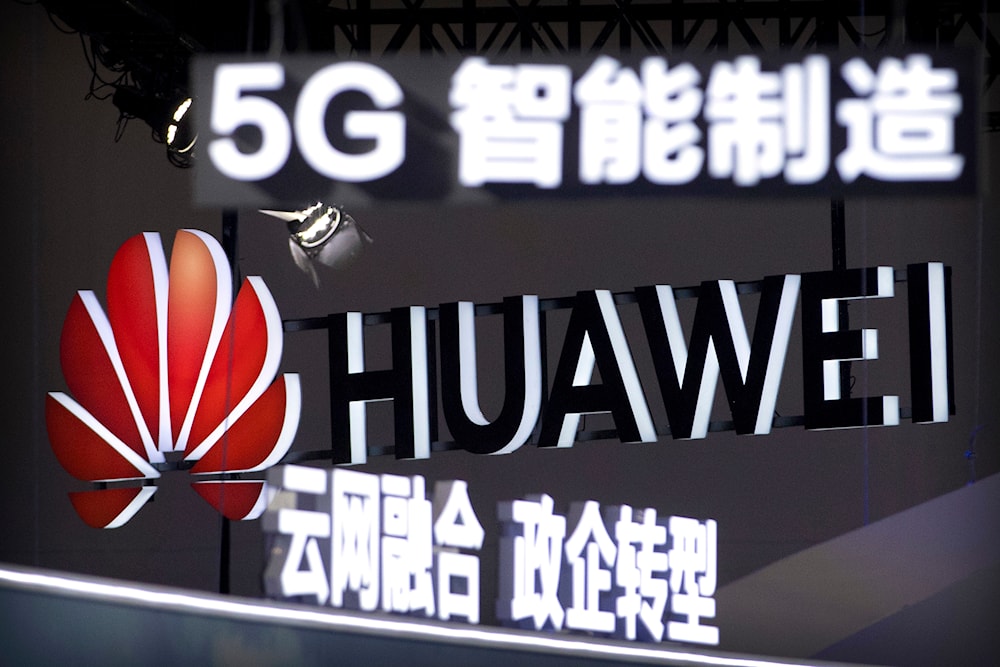
In this Sept. 26, 2018, file photo, signs promoting 5G wireless technology from Chinese technology firm Huawei are displayed at the PT Expo in Beijing (AP)
Tensions between "Israel" and China have intensified, as both take steps in a growing technological and security standoff, Reuters reported on Wednesday.
Chinese private vehicles were banned from entering security-sensitive industrial zones in "Israel", amid growing concerns within the country’s security and military establishment that technological systems in these cars could be used to leak sensitive information.
Amid this intensifying cold conflict, Chinese authorities have instructed domestic companies to stop using cybersecurity software produced by around 12 American and Israeli firms, Reuters reported, citing two sources familiar with the matter. These directives were issued in recent days over national security concerns in China.
The list of banned software includes the Israeli cybersecurity giant Check Point. Among American companies, the ban reportedly affects software from VMware, Palo Alto Networks (co-founded by Israeli Nir Zuk), and Fortinet.
The sources, who requested anonymity due to the sensitivity of the topic, said Chinese authorities fear that this software could collect confidential information and transmit it outside the country.
It is not yet known how many Chinese companies have actually received this notice. Reuters reported that requests for comment sent to the Chinese Internet regulatory body, the Ministry of Industry and Technology, and the four companies mentioned went unanswered at the time of publication.
"Israel"-China history
The move comes amid a broader struggle for technological supremacy with the United States and growing diplomatic and trade tensions between the two global powers. While recent headlines have focused on China’s efforts to strengthen self-reliance in semiconductors and artificial intelligence, the country is simultaneously working to replace Western computers and word-processing software with domestic alternatives.
Chinese analysts note that Beijing’s concerns are mounting over the potential for Western equipment to be exploited as a vulnerability for cyberattacks by foreign powers.
Historical political friction between "Israel" and China stemmed from Cold War-era geopolitics, when the People’s Republic of China viewed "Israel" as aligned with Western powers and supported Arab and Palestinian causes, leading to mutual distrust before formal ties were established in 1992.
Tensions resurfaced in the early 2000s after "Israel’s" sales of advanced military technology to China triggered pressure from the United States, prompting Tel Aviv to curb defense cooperation and impose export restrictions, a significant diplomatic setback.
In recent years, China’s public criticisms of Israeli military actions in the Middle East have raised diplomatic friction, with Beijing urging "Israel" to halt its genocide in Gaza and violations in the West Bank.


