
How tech giants build their own media bubble to avoid scrutiny
 5 Min Read
Silicon Valley's biggest companies and CEOs are increasingly bypassing traditional journalism by creating or embracing friendly, corporate-aligned media outlets that shield them from critical questions.
-
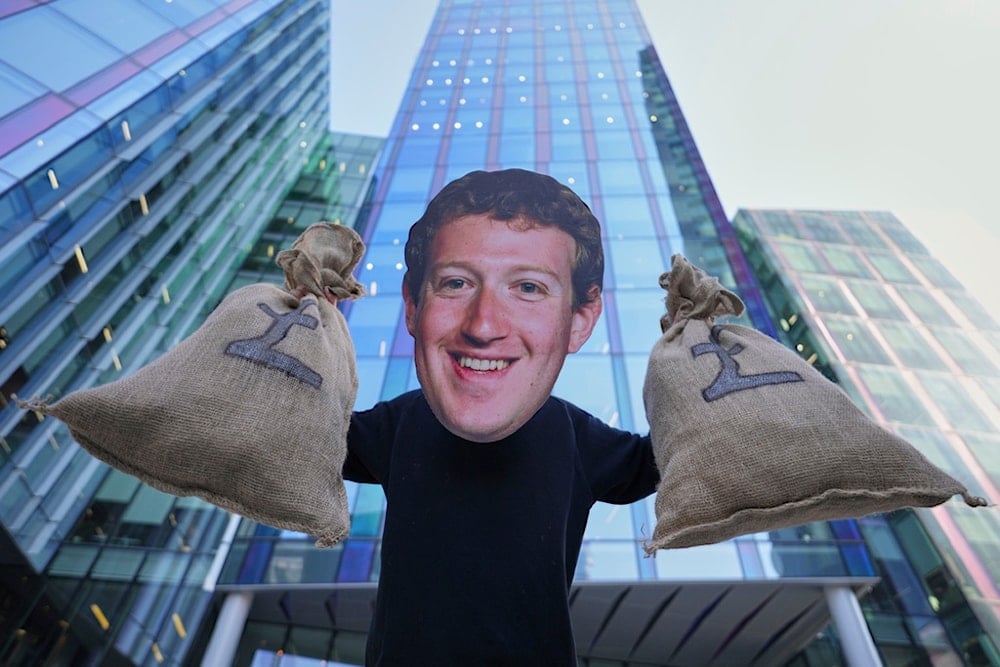
A campaigner from the Stop Trump Coalition, wearing a Mark Zuckerberg mask, poses during a creative action to demand higher taxation of Big Tech companies, including Meta, X, and Amazon, outside Meta Offices in London, Tuesday, May 13, 2025. (AP Photo/Kirsty Wigglesworth)
According to a reported analysis by writer Nick Robins-Early for The Guardian, Silicon Valley’s most powerful figures are increasingly turning away from traditional journalism and constructing their own ecosystem of friendly media outlets, podcasts and corporate-backed publications that present them in a flattering, unchallenged light.
The trend is illustrated through a surreal moment involving Palantir CEO Alex Karp: during a promotional appearance on Sourcery, a YouTube show affiliated with the finance platform Brex, a dramatic montage of Karp and waving US flags plays before he strolls through the office discussing company culture, a sword he owns, and how he once dug up the remains of his childhood dog Rosita to rebury them near his home.
Host Molly O’Shea responds warmly, "That’s really sweet," she tells him, and no questions are raised about Palantir’s long-criticized work with US immigration authorities.
Tech protest
Robins-Early’s reporting makes clear that such curated appearances are no longer fringe phenomena. Figures like Mark Zuckerberg, Elon Musk, Sam Altman, Satya Nadella, and others have gravitated toward platforms where interviews are conversational, playful, and almost entirely devoid of scrutiny.
These spaces, which include self-produced corporate media, have grown into an influential alternative ecosystem that shields tech elites from probing accountability at a moment when public trust in big tech and AI is eroding.
Several firms have moved beyond simply favoring sympathetic hosts and have begun producing their own media. Andreessen Horowitz, the venture capital giant known for its aggressive promotion of the tech sector, launched its own Substack this year and unveiled an eight-week "new media fellowship" promising to help creators "win the narrative battle online."
The firm described its project as a place where independent voices could bypass "algorithms or legacy institutions," echoing its broader strategy of shaping the public conversation rather than participating in it.
Media maneuvering
Palantir, too, has entered the arena. Earlier this year, the company debuted the Republic, a journal-style publication funded by the Palantir Foundation for Defense Policy and International Affairs. The outlet is staffed by senior Palantir executives and declares its mission bluntly: "Far too many people who should not have a platform do. And there are far too many people who should have a platform but do not."
Articles in the Republic include arguments that US copyright laws are obstructing American AI dominance and pieces advocating closer collaboration between Silicon Valley and the US military, a stance long championed by Karp.
Independent pro-tech publications and creators have emerged alongside these corporate ventures. Arena magazine, founded by Austin-based investor Max Meyer, pitches itself as a celebratory outlet for "The New," criticizing established publications like Wired and TechCrunch as overly negative.
On the podcast circuit, DWarkesh Patel and the TBPN show have rapidly gained influence, hosting leaders such as Satya Nadella and Mark Zuckerberg in relaxed, admiration-heavy interviews.
Controlled narratives
No figure embodies the shift more than Elon Musk. Since taking over Twitter (now X), Musk has largely stopped engaging with traditional reporters, throttled links to critical outlets, and participated instead in lengthy, supportive conversations with hosts like Lex Fridman and Joe Rogan.
His preference for controlled media spaces is mirrored in his tech ventures: Grok, his AI chatbot, frequently echoes his own political views and has even made absurd claims, including that he could outperform LeBron James or defeat Mike Tyson in a boxing match.
Elon Musk smoking weed for the first time on Joe Rogan’s podcast pic.twitter.com/1mMCdiWN71
— Nostalgic Nights (@nostalgicxnghts) September 7, 2018
Soft Power
The Guardian’s reporting situates this shift within a broader cultural trend. Public figures across entertainment and politics have increasingly turned to low-stakes, personality-driven interviews that promise exposure without risk. Tech leaders, already sensitive to investigative scrutiny after episodes like the Facebook leaks, have now gone further by building full-fledged media infrastructures that allow them to avoid uncomfortable questions altogether.
Yet the emergence of this parallel media world is not without meaning. As Robins-Early notes, even the most superficial conversations offer insight into how tech elites view themselves and the future they want to shape, one characterized by fewer checks on their power, more direct access to audiences, and a steady erosion of critical journalism.
That reality becomes clear when Karp, after discussing swords and corporate culture, is asked by his interviewer: "If you were a cupcake, what cupcake would you be?" His reply: "I don’t want to be a cupcake because I don’t want to be eaten… I’m resisting becoming a cupcake."
Read more: Tech joins the fight: Silicon Valley powers US war drive


