
Meta accuses NSO of targeting WhatsApp users in Lebanon and Jordan
 3 Min Read
Meta says NSO Group continued targeting WhatsApp users in Lebanon and Jordan despite a US court injunction, reigniting concerns over the global spyware industry.
-
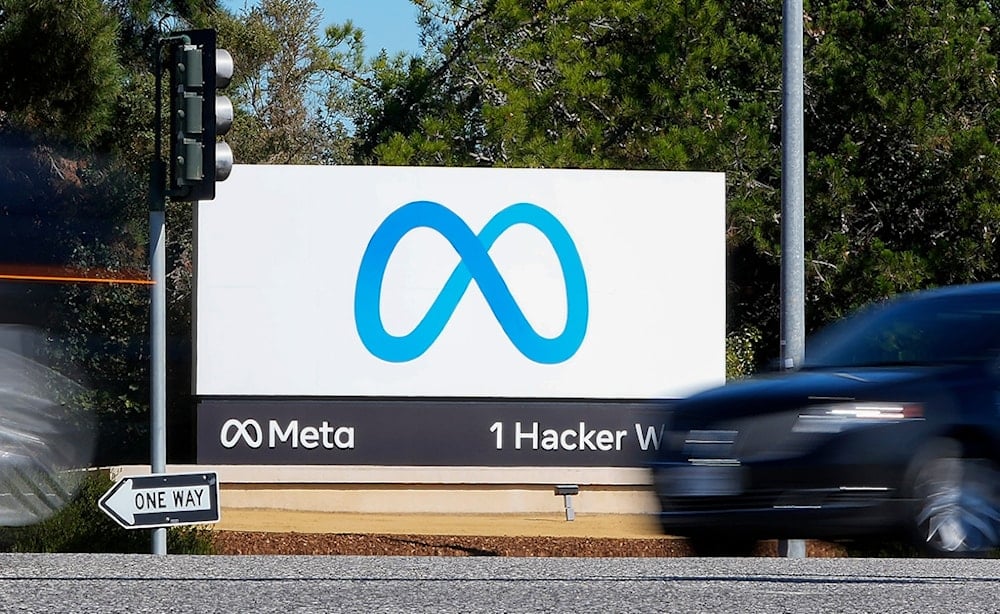
A car drives past the Meta logo at Facebook's headquarters on October 28, 2021, in Menlo Park, California. (AP Photo/Tony Avelar)
Meta has accused surveillance technology company NSO Group of targeting WhatsApp users despite a US court order permanently prohibiting the firm from exploiting the messaging platform.
In a statement, Meta said WhatsApp had detected and disrupted spear-phishing attempts linked to NSO, with a company spokesperson indicating that a small number of users in Lebanon and Jordan were targeted through malicious links.
The technology giant also stated that NSO created test accounts and groups on WhatsApp, actions Meta argues violate a standing federal court injunction.
The company has now asked the court to hold NSO in contempt, asserting that the latest activity demonstrates continued efforts to access or exploit WhatsApp despite legal restrictions.
Pegasus maker accused of violating US injunction
NSO is best known for developing Pegasus, one of the world's most controversial surveillance tools.
The spyware became internationally known after reports that it could infiltrate mobile devices and gain access to messages, calls, photos, and other personal data, often without users' knowledge.
Last year, Meta prevailed in a lawsuit against NSO over allegations that the company exploited vulnerabilities in WhatsApp to conduct surveillance operations against users.
The court initially awarded Meta $167 million in damages. A subsequent ruling reduced the amount to $4 million while imposing a permanent injunction barring NSO from targeting WhatsApp and its users.
Meta argues that the newly detected activity constitutes a direct violation of that order.
Read more: Spain shuts Pegasus spyware probe over 'Israel's' refusal to cooperate
Spyware industry faces renewed scrutiny
The situation reignited debate surrounding the largely opaque global spyware industry and the use of digital surveillance tools against journalists, activists, and civil society actors.
John Scott Railton, a senior researcher at Citizen Lab, described the accusations as particularly significant given the existing court restrictions.
“To me, it’s an astonishing signal of hubris that NSO would do this while permanently enjoined from not doing it,” Railton said.
“It either speaks to the fact that they think they wouldn’t get caught, or to the fact that they believe, rightly or wrongly, they have a special way to not face the consequences of violating a US federal permanent court injunction.”
Civil liberties advocates have long warned that commercial spyware technologies can be deployed with limited transparency or oversight, raising concerns over privacy, human rights, and digital security.
NSO seeks return to US market
The accusations made by Meta emerge amid reports that NSO is attempting to regain access to the US market after being placed on a Commerce Department blacklist.
The Biden administration previously concluded that the company had acted “contrary to the foreign policy and national security interests of the US,” citing concerns linked to the reported misuse of Pegasus.
Since then, NSO has reportedly pursued efforts to improve its standing in Washington.
The company appointed David Friedman, who served as US ambassador to "Israel" during Donald Trump's first presidential term, as executive chairman and has reportedly engaged lobbying firms with close ties to the current administration.
Critics argue that such efforts contrast with continuing allegations surrounding the company's surveillance practices.
Read more: US House rejects extension of warrantless surveillance law


