
EU bans funding for Chinese solar inverters over grid security fears
 3 Min Read
The EU has banned public funding for clean energy projects using Chinese-made inverters, citing fears of foreign interference in the bloc's power grid.
-
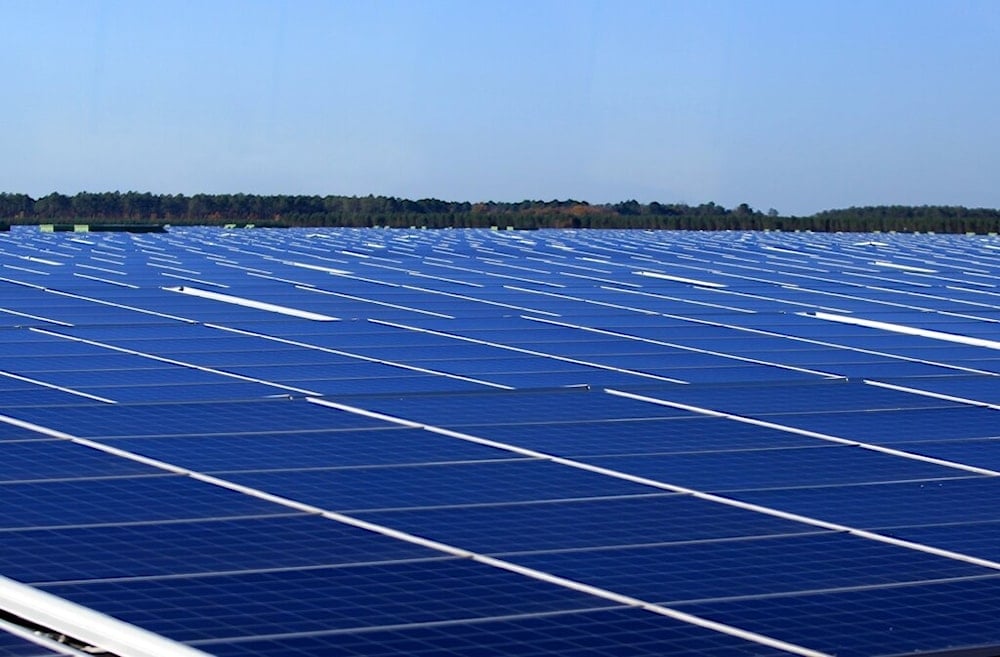
View of solar panels at the Constantine photovoltaic power station in Cestas, near Bordeaux, southwestern France, Tuesday, Dec. 1, 2015. (AP Photo/Bob Edme)
The European Union has moved to cut public funding from clean energy projects relying on inverters manufactured in China, Russia, Iran, and North Korea, citing mounting concerns over the vulnerability of the bloc's power infrastructure to foreign interference.
The ban, which came into effect in early April, targets new projects seeking EU funding. Some flexibility has been extended to projects already in advanced stages of development, an EU official confirmed.
At the center of the measure is a deceptively understated piece of hardware. Inverters, devices that convert and regulate the flow of electricity between solar panels and the power grid, are described by Brussels as the "brain" of renewable energy systems. Their grid-connected nature means they can, in theory, be accessed or manipulated remotely.
EU spokeswoman Siobhan McGarry warned that technology from "high-risk" states could be used to interfere with member states' energy networks, and that interference, in the worst case, means the lights going out across an entire country.
Huawei, Sungrow in the crosshairs
The policy specifically targets inverters originating from firms such as Huawei and Sungrow, two companies that command a dominant share of the global inverter market, with Huawei holding the position of the world's largest manufacturer. The scale of that dominance is precisely what makes the ban consequential, as replacing Chinese supply at speed will not be straightforward.
Brussels has said it will look to prioritise inverters manufactured in Europe, or sourced from countries it considers strategically aligned, among them Japan, South Korea, the United States, and Switzerland.
A pattern of de-risking
For several years now, Brussels has been systematically pulling back from Chinese technology in sectors it considers sensitive. Huawei was pushed out of European 5G network infrastructure on security grounds, anti-subsidy tariffs were slapped on Chinese electric vehicles, and solar manufacturers from China are under investigation through the Foreign Subsidies Regulation.
Underlying all of it is a calculation that has hardened since the start of the war in Ukraine in 2022. That crisis forced a reckoning with what dependency on a geopolitical rival actually costs when the relationship sours. REPowerEU, the bloc's emergency renewables push launched in the aftermath, helped wean Europe off Russian fossil fuels but quietly created a new problem by turbocharging demand for Chinese solar components. The inverter ban is partly an attempt to walk that back.
The move also has a legal home. The EU's NIS2 and Critical Entities Resilience directives, both now written into national law across member states, place energy systems at the top of the list of infrastructure requiring protection. This policy fits squarely within that architecture.
China has yet to respond officially, though Beijing has made a habit of dismissing EU trade and technology restrictions as protectionism dressed up in security language.


