
Global food prices rise as wheat and vegetable oil climb
 3 Min Read
UN FAO data shows global food prices rose in February as wheat, vegetable oil, and meat costs increased, ending a five-month downward trend.
-
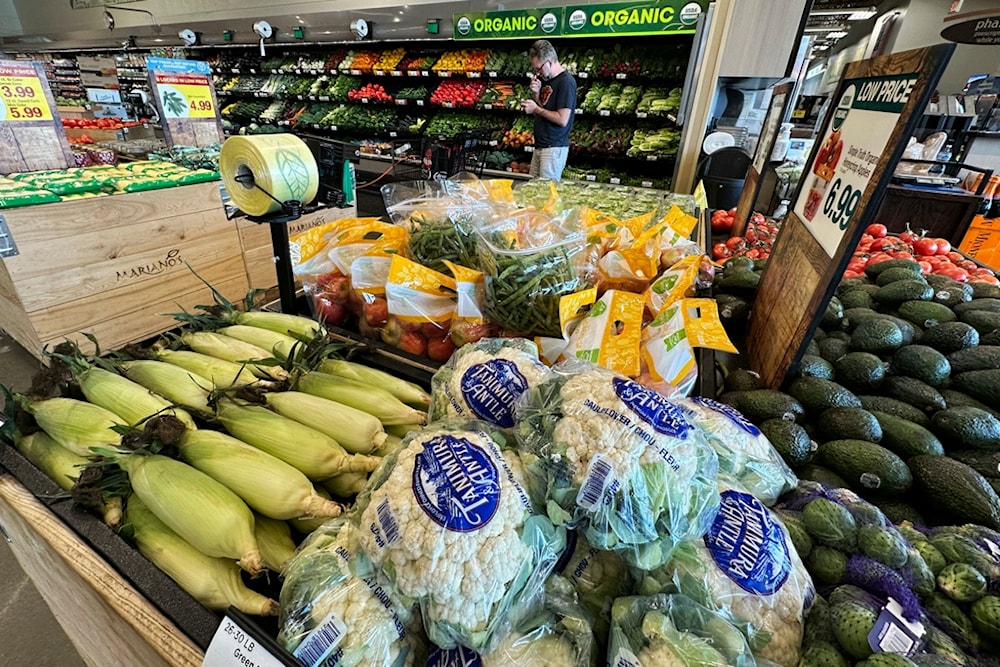
A customer looks at his mobile phone while shopping at a grocery store in Chicago, Thursday, September 19, 2024. (AP Photo/Nam Y. Huh)
Global food prices increased in February after several months of decline, driven by higher costs for wheat, vegetable oils, and meat, according to the Food and Agriculture Organization.
The FAO’s Food Price Index, which tracks globally traded food commodities, averaged 125.3 points in February. This represents a 0.9% increase compared with January levels.
Despite the monthly rise, the index remains roughly 1% lower than its level a year earlier and about 22% below the peak recorded in March 2022 following the beginning of the Russia-Ukraine war.
Vegetable oil prices posted one of the strongest gains, rising 3.3% from January and reaching their highest level since June 2022. The increase was linked to higher palm oil prices amid reduced supply from Southeast Asia, alongside stronger demand for Canadian rapeseed oil. Expectations of supportive US biofuel policies also contributed to the increase.
Cereal prices rose 1.1% as cold weather conditions in the United States and Europe affected wheat crops. Continued disruptions in the Black Sea region tied to the Russia–Ukraine war also contributed to higher grain quotations.
Meat prices increased by 0.8%, supported by strong demand in the United States and China. Ovine meat products, including lamb and mutton, reached record highs, while pork and poultry prices saw only modest increases.
In contrast, dairy prices declined by 1.2%, largely due to lower cheese prices as milk supplies improved across the European Union. However, global milk and butter prices rose, supported by demand for powdered milk in North Africa, West Asia, and Southeast Asia.
Sugar prices posted the sharpest drop, falling 4.1% in February. Global supply surpluses continued to push prices lower, leaving sugar more than 27% cheaper than it was in February 2025.
Food markets and global volatility
Global food markets have experienced significant volatility since 2022, when disruptions linked to the war in Ukraine affected grain exports and agricultural supply chains. The Black Sea region remains one of the world’s most important exporters of wheat, corn, and sunflower oil.
Weather events, energy prices, and trade policies also play a major role in shaping agricultural commodity markets. Changes in biofuel policies, for example, can shift demand for crops such as soybeans, rapeseed, and palm oil used in fuel production.
Supply conditions in major producing regions, including Southeast Asia for palm oil and North America for grains, often influence global pricing trends. Production shortfalls or export disruptions can quickly translate into higher international food prices.
International organizations have repeatedly warned that price fluctuations in staple commodities can have significant effects on food security, particularly in import-dependent regions across Africa and West Asia.


