
Oil companies are avoiding ships blacklisted by Iran: Reuters
 3 Min Read
Indian refiners and a global energy major are avoiding tankers on Iran's new Hormuz blacklist, Reuters sources say, as Tehran threatens fines and detention.
-
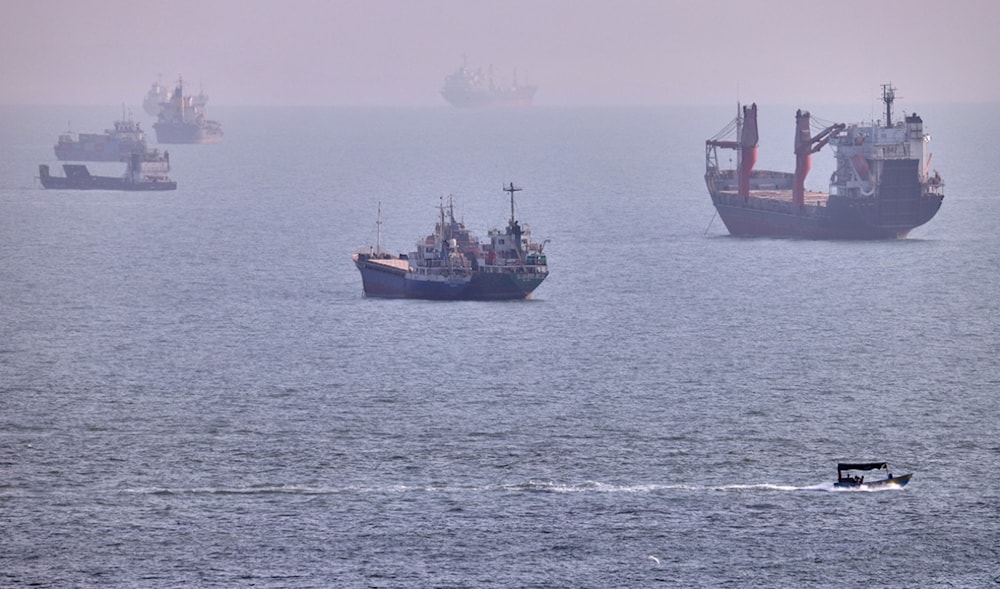
A small boat sails past cargo ships and other commercial vessels anchored in the Strait of Hormuz off Bandar Abbas, Iran, Wednesday, Aug. 5, 2026 (Amirhosein Khorgooi/ISNA via AP)
Several major oil buyers are moving to cut ties with tankers named on Iran's new shipping blacklist, according to four sources familiar with the matter cited by Reuters.
At least three Indian refiners and a global energy major intend to stop chartering the listed vessels and will avoid any ship-to-ship transfers involving them, citing security risks.
Iran announced the blacklist on Sunday, naming 45 vessels it said had violated its rules for transiting the Strait of Hormuz.
The newly formed Persian Gulf Strait Authority said on social media that any ship engaging in transfers with the named vessels could face fines, detention, or confiscation of cargo.
Targeting the shuttle run system
The blacklist appears aimed at disrupting the shuttle run operations that Gulf producers, including the UAE and Saudi Arabia, have relied on to keep oil moving since the war disrupted normal Hormuz transit.
Under this system, dedicated tankers carry crude through the strait before transferring cargo near Fujairah in the UAE or Sohar in Oman onto other vessels bound for buyers. Some of the vessels Iran named are linked to Saudi Aramco and ADNOC. Shipping data shows these tankers have handled crude, refined products, and LNG through the same transfer points.
Buyers weigh their options
One source at an Indian refinery told Reuters the company would steer clear of any dealings, including STS transfers, involving non-compliant vessels for West Asian cargoes.
A separate source, a Gulf crude buyer, said it may be safer to purchase oil on a delivered basis rather than free-on-board at Gulf of Oman transfer points, shifting the shipping risk elsewhere. Formosa Petrochemical Corp President KY Lin said the company's internal teams are still reviewing how to handle long-term crude deliveries through Hormuz STS transfers.
Kpler trade risk analyst Ana Subasic told Reuters she expects the most cautious buyers to avoid the named ships, though the broader trade is likely to shift toward alternative vessels and transfer locations rather than stop altogether.
Iran has previously struck several tankers now on the list, including the Wedyan, Mombasa B and Al Bahyah. By Tuesday, two of the 12 very large crude carriers named had stopped transmitting their location through automatic identification systems, while the rest had already gone dark for weeks.
Subasic said the central risk is contagion. If Iran acts on its threat to penalize ships linked to blacklisted tankers, she said, it would likely shrink the pool of willing shipowners and buyers with exposure to the Gulf, raise due-diligence demands, and push up freight, insurance, and risk costs across the trade.


