
Shipowners offer massive bonuses to crews willing to sail Hormuz
 3 Min Read
Shipping firms are offering seafarers up to six months' extra pay to sail through the Strait of Hormuz as attacks on vessels mount amid the US war on Iran.
-
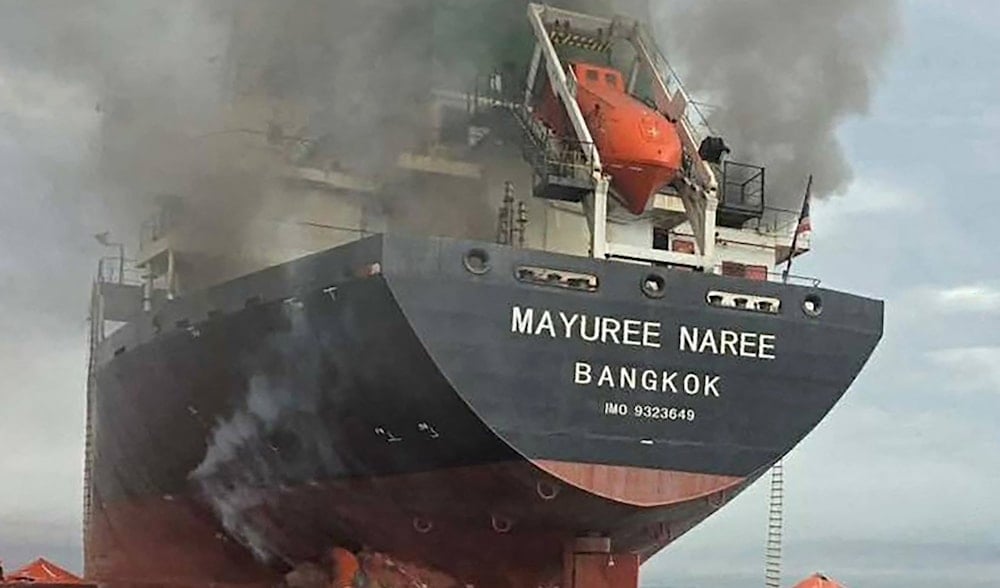
This handout photo taken on March 11, 2026 and released by the Royal Thai Navy shows smoke rising from the Thai bulk carrier Mayuree Naree near the Strait of Hormuz after being struck. (Photo by Royal Thai Navy via AFP)
Shipping companies are offering seafarers extraordinary financial incentives to sail through the Strait of Hormuz, forcing crews to weigh life-changing payouts against the growing danger of navigating one of the busiest oil corridors in West Asia, Bloomberg reported.
Sinokor Group, which operates the world's largest fleet of supertankers, recently circulated an offer promising crew members an extra six months of salary for a single round trip through the strait. The voyage, which involves picking up crude from Saudi Arabia or Iraq and offloading it in the Gulf of Oman, takes roughly a month to complete, according to a document obtained by Bloomberg last week.
The offer came just before a fresh wave of escalation in the Strait of Hormuz, which saw vessels being struck for using an unauthorised route.
Mounting toll on shipping since the war began
Since the US war on Iran began at the end of February, at least 59 commercial vessels have been struck in and around the Gulf, with 17 seafarers losing their lives, according to figures from the United Nations' shipping agency.
Compensation for crews willing to make the crossing has climbed sharply as strikes have slowed traffic through Hormuz in recent days. Industry sources told Bloomberg that some firms are tacking on as much as 60 days of extra pay onto standard 30-day contracts, though offers vary widely and tend to fall short of Sinokor's terms.
A stark divide in pay and risk
Captains, who hold final say over navigational decisions, can earn up to $15,000 a month on oil tankers. Junior sailors, known as ratings, typically make around $1,500 a month under normal conditions, though they retain the right to disembark and be replaced if they refuse to sail into the danger zone.
Captain Pradeep Chawla, chairman of GlobalMET, a body that partners with the International Maritime Organization on seafarer training, told Bloomberg that many crew members have chosen to leave their ships rather than continue, even as shipping firms manage to find replacements enticed by the bonuses on offer.
While insurers now charge steep premiums for vessels transiting Hormuz and shipowners can secure multimillion-dollar contracts for a single passage, it is the crews who bear the greatest personal risk. Visible traffic through the strait has dropped in recent days, though it remains unclear how many vessels continue crossing with tracking systems disabled.


