
UK energy prices put manufacturing investment at risk
 5 Min Read
A joint CBI and Energy UK report warns that persistently high UK energy prices have forced 40% of firms to cut investment, raising the risk of deindustrialisation and weaker economic growth.
-
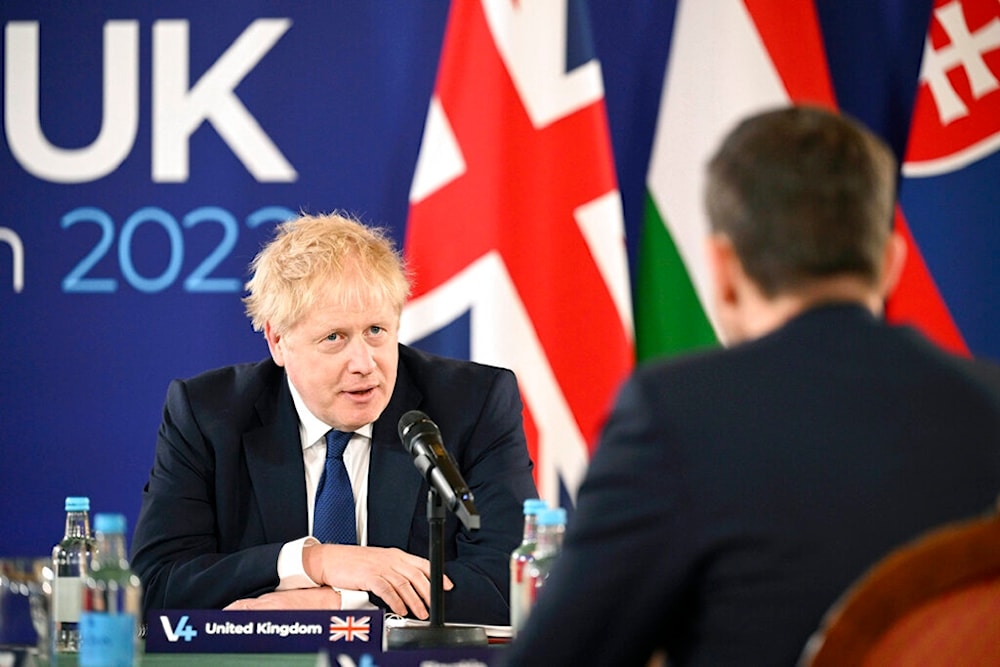
In 2022, the then-Prime Ministers of UK, Poland, Slovakia, Czech Republic and Hungary met in London to discuss European security, Ukraine and the looming energy crisis, Tuesday, March 8, 2022. (AP)
High UK energy prices are putting the country’s manufacturing base at risk, with around 40% of businesses cutting back investment as electricity and gas costs remain far above pre-Ukraine levels, according to a joint report by the CBI and Energy UK.
The report delivers a stark warning to ministers, arguing that British businesses, from chemical producers to pubs and restaurants, are being undermined by persistently elevated energy costs and delays in upgrading the UK’s ageing gas and electricity networks. It calls for a comprehensive review of regulations governing the sale and supply of energy, saying reform is necessary to unlock investment and support long-term economic growth.
Energy UK, which represents more than 100 electricity generators and retailers, said business electricity prices remain 70% higher than before the war in Ukraine, while gas prices are 60% higher. The findings highlight concerns that industrial electricity costs in the UK are among the highest in the developed world.
According to the report, prices are almost two-thirds above the median of International Energy Agency (IEA) countries and the highest among G7 members.
Among medium-sized businesses, UK electricity prices are around double the EU median. While nondomestic gas prices are broadly in line with the EU, they are significantly higher than those in the US and Canada.
A survey underpinning the CBI energy report found that nearly 90% of firms have seen their energy bills increase over the past five years. Four in 10 respondents said they had reduced investment as a direct result. Without a sustained reduction in energy bills, the report warned, “the risk of job losses, production cuts, plant closures and offshoring will increase.”
Rising energy costs and UK business investment decline
The impact of high UK energy prices is already being felt across key industrial sectors. Louise Hellem, the CBI’s chief economist, said companies are experiencing severe financial strain. “You can see it already in the chemicals industry, which has seen several closures,” she said.
Hellem described the current period as a “pivotal moment” for the UK’s industrial strategy, highlighting the connection between energy affordability and long-term competitiveness. The report argues that ministers must work more closely with industry to conduct a thorough assessment of the UK’s energy requirements and how they will be met during the transition to net zero.
A taskforce made up of researchers from both organisations and industry groups will examine potential reforms aimed at lowering prices and improving the efficiency of the gas and electricity networks. The objective is to demonstrate that existing initiatives to strengthen the energy system have not gone far enough, leaving the UK exposed to the risk of widespread deindustrialisation.
The strain on the UK manufacturing sector comes amid deteriorating trade performance. Official figures covering 2025 show Britain’s trade in goods slumped to its worst level on record.
The UK recorded a £248.3bn deficit in goods, £30.5bn more than the previous year. According to the Office for National Statistics, this widening gap was only partly offset by a £192bn surplus in services, which was £16.4bn higher than the year before. The data adds to concerns about energy costs and economic growth in the UK, with business groups arguing that elevated industrial electricity costs are weakening international competitiveness.
Last year, manufacturers’ lobby group Make UK called on the government to provide additional subsidies worth millions of pounds to prevent further industrial contraction.
Government support measures and industry concerns
Energy minister Ed Miliband has introduced targeted measures aimed at protecting the country’s largest energy-intensive businesses. Last year, the government announced it would cut electricity prices by up to £40 per megawatt hour for 7,000 “heavy users” in a bid to “move the UK from being an outlier to right in the middle of the pack”. However, industry leaders argue that the support is too limited in scope.
Dhara Vyas, head of Energy UK, said thousands of businesses outside the designated support scheme would continue to struggle under high energy bills.
While she acknowledged progress in reducing domestic energy costs, Vyas said the assistance offered to some industrial users amounted to “a sticking plaster” and was being funded by other bill payers. “Lowering prices for all businesses is fundamental to the UK’s growth story,” she said.
She added that the initial findings illustrate “how high energy costs are holding back the UK economy, and the limits of existing support”. “But our aim will not be just about how to reduce bills. It will be the first of its kind to take a fundamental look at the energy market and the regulations to see how it can become more effective,” she said.


