
US energy chief says Ukraine war did not cut Russian oil exports
 3 Min Read
US Energy Secretary Chris Wright says the Ukraine war did not reduce Russian oil exports, arguing that fears of supply disruptions drove market concerns.
-
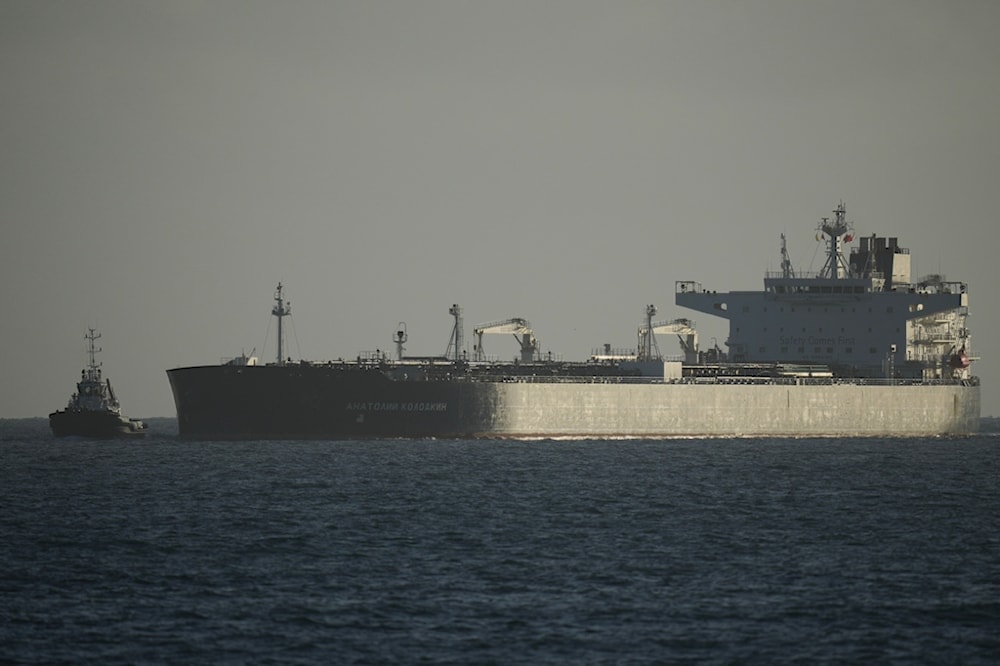
Russian-flagged oil tanker Anatoly Kolodkin arrives in Matanzas, Cuba, Tuesday, March 31, 2026 (AP)
US Energy Secretary Chris Wright said the war in Ukraine has not led to a decline in Russian oil exports, arguing that concerns over potential disruptions, rather than actual supply cuts, influenced market expectations.
“That [conflict in Ukraine] did not interrupt the flow of oil. It was just the fear of the interruption of the flow of oil. The Biden administration feared that Russia would slow their exports of oil or refined diesel, and the Russians did not reduce their exports. Just fear and bad management,” Wright told Bloomberg TV on Wednesday.
Wright’s remarks came as Western sanctions against Russia’s energy sector continue to shape global oil market discussions.
Critics argue that such statements serve to influence market sentiment and keep oil prices under pressure by emphasizing the availability of Russian supplies and downplaying geopolitical risks.
By framing concerns over Russian exports as “fear” rather than a real supply threat caused by the geopolitical situation, officials can encourage traders to price in lower disruption risks, potentially reducing upward pressure on crude prices.
Russia says sanctions hurt global economy
Russia has repeatedly stated that it would withstand the sanctions pressure imposed by Western countries over recent years, with measures against Moscow continuing to expand.
Russian President Vladimir Putin has previously said that efforts to contain and weaken Russia represent a long-term Western strategy, adding that sanctions have caused significant damage to the global economy.
Putin has also warned that restrictions on Russian oil exports could lead to a sharp increase in the prices of oil and petroleum products.
US Senate moves toward new sanctions on Russia
US Senate Majority Leader John Thune has begun a process that could lead to consideration of a bill imposing new sanctions on Russia, according to The Hill.
Thune added the House-passed H.R. 2913 bill, which includes $1.3 billion in security assistance for Ukraine and expands sanctions targeting Russia, to the Senate calendar on Thursday.
The move allows the legislation to enter the Senate’s legislative process, where lawmakers can review the bill and address potential objections before any possible vote.
According to The Hill, the H.R. 2913 bill could provide a framework for separate legislation negotiated by the late Senator Lindsey Graham, which includes additional measures targeting Russia.
Proposed legislation targets Russia energy trade
The potential sanctions package comes as Washington continues discussions over additional economic pressure on Moscow amid the ongoing conflict in Ukraine.
Earlier this week, US President Donald Trump said his administration was reviewing the Graham bill and suggested it had a strong chance of being passed by Congress, adding that approving the measure would honor the late senator.
In April 2025, Senators Lindsey Graham and Richard Blumenthal introduced a bipartisan bill that would impose primary and secondary sanctions on Russia if Moscow failed to engage in what the lawmakers described as "good faith" negotiations on peace in Ukraine.


