
US gasoline prices up 50% since launch of war on Iran
 3 Min Read
US gasoline prices surged to $4.48 per gallon as the war on Iran disrupts Strait of Hormuz oil flows, intensifying the global energy crisis.
-
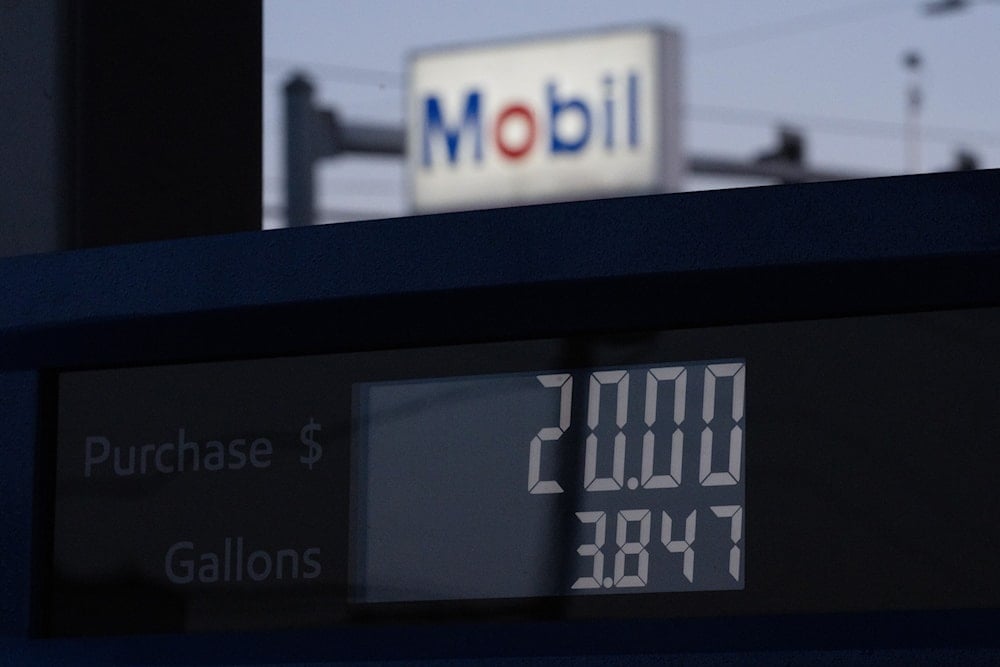
A display shows $20 for gasoline on a gas pump at a Mobil gas station on Wednesday, April 29, 2026, in Portland, Ore (AP)
The price of regular gasoline in the United States rose by 31 cents over the past week, reaching an average of $4.48 per gallon on Tuesday, AP reported, citing the American Automobile Association. The increase has added pressure on consumers, with prices now up roughly 50% since the outbreak of the US-Israeli war on Iran.
The surge is largely driven by the global energy crisis linked to the closure of the Strait of Hormuz. Crude oil prices, the primary component in gasoline, have climbed steadily over the past two months as the Strait, a critical passage that typically carries about one-fifth of the world’s oil supply, has been effectively shut down, leaving tankers stranded and disrupting deliveries.
In mid-April, falling gasoline prices offered some relief as hopes grew that the war might de-escalate. Prices declined for nearly two weeks following initial ceasefire signals.
Rob Smith, director of global fuel retail at S&P Global Energy, said that early ceasefire announcements fueled optimism that the war might soon end, which in turn led to declines in crude and gasoline prices, prompting retailers to lower costs.
However, as fighting persisted, prices rebounded and resumed their upward trend.
Prolonged Hormuz disruption continues to apply pressure to the globe
Smith added that a structural imbalance between supply and demand is pushing prices higher, emphasizing that as long as constraints in the Strait of Hormuz continue, sustained upward pressure on fuel costs is unavoidable regardless of government actions or market expectations.
Analysts say it remains unclear how high prices could climb. Current gasoline prices have already surpassed levels seen in early May 2022, when costs continued rising through the Memorial Day period, according to AAA.
According to Smith, the longer oil flows remain restricted through the Strait of Hormuz, the higher prices are likely to rise and the longer recovery will take.
He added that even if a lasting resolution to the war is achieved and safe passage through the Strait is restored, the market would take months, if not longer, to stabilize, as lingering security concerns would continue to drive up insurance costs and discourage shipping companies from quickly returning to pre-war conditions.


