
US to release 40mln more barrels from SPR to tamp down Iran war impact
 4 Min Read
The US will loan energy companies up to 40 million barrels from its Strategic Petroleum Reserve as the stockpile falls to its lowest level since 1982.
-
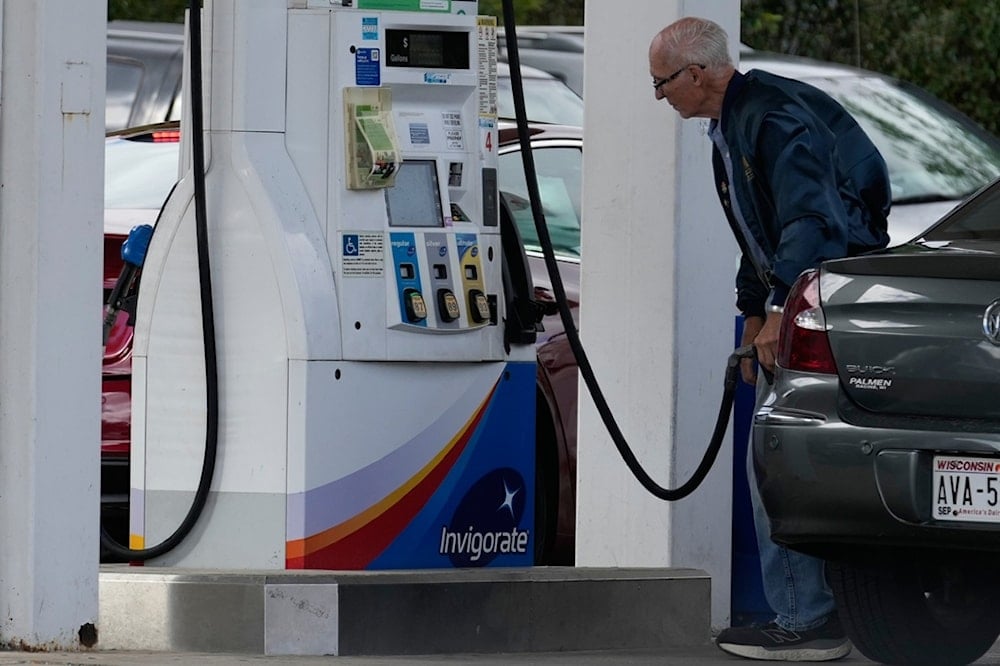
A customer checks the gas price while he fills up his vehicle's tank at a gas station in Racine, Wisconsin, Tuesday, September 22, 2026 (AP)
The US government said Tuesday it will offer to loan energy companies up to 40 million barrels of crude oil from the Strategic Petroleum Reserve (SPR), marking the final US contribution to a global agreement to release emergency oil reserves following the war on Iran, Reuters reported.
Washington agreed in March to loan 172 million barrels from the SPR as part of a wider International Energy Agency (IEA) agreement involving around 30 countries to release 400 million barrels from strategic reserves worldwide.
The Energy Department had previously offered the final 40 million barrels in June, but companies agreed to borrow only around 500,000 barrels at the time. Energy Secretary Chris Wright said the US and Japan had fulfilled their commitments under the agreement, while several European IEA members had released only part of the crude and petroleum products they had pledged.
US oil reserve falls to lowest level since 1982
The latest offer comes as US crude stocks in the SPR have fallen to less than 284 million barrels, their lowest level since October 1982. Department of Energy data showed the reserve stood at 283.8 million barrels last week.
The drawdown follows major releases ordered by President Donald Trump after the start of the war on Iran, as well as releases under former President Joe Biden following the war in Ukraine in 2022.
US gasoline prices are currently around $4.45 per gallon, nearly 50% higher than before the war began in late February, while diesel prices have risen by about 70% to around $6.50 per gallon, according to Reuters.
Companies to repay oil with premium
Under the loan arrangement, companies receiving crude from the SPR will be required to return the same volume, along with a premium of up to 24% in additional oil.
The Energy Department says the mechanism can help stabilize oil markets without imposing a cost on US taxpayers. However, the borrowed crude is not expected to be fully returned until late 2028. Companies have until October 6 to submit proposals for borrowing the oil.
Chevron CEO Mike Wirth said the mechanisms that had helped cushion the oil market from the effects of the prolonged closure of the Strait of Hormuz have largely been exhausted, leaving global supplies increasingly exposed to further disruptions.
The warning comes as attacks on energy infrastructure and shipping routes across the region have compounded an already strained global market. Analysts estimate that damage to a Saudi pipeline that provides an alternative route around the Strait of Hormuz has stranded at least 2.5 million barrels of crude per day.
Fuel prices climb as supplies tighten
The disruption is increasingly being felt by consumers, with diesel prices reaching a record $6.23 a gallon and gasoline climbing back to $4.32 after falling below $4 earlier this summer.
Energy advisors have warned that continued fighting could push the market into a deeper supply crisis, while investors are increasingly questioning how high fuel prices could affect consumer demand.
Diesel supplies are particularly constrained due to refinery outages linked to conflicts in the Middle East and Russia. Demand is also expected to rise as farmers enter the harvest season, increasing pressure on an already tight market.
“Diesel has no easy solution,” said Dan Pickering, founder of Pickering Energy Partners, as per the WSJ.
US crude prices have risen 19% over the past three weeks to around $101 a barrel as attacks affecting energy infrastructure and shipping have multiplied.


