
El Niño drought forces Panama Canal to reduce daily ship transit
 3 Min Read
The Panama Canal will cut daily ship transits from September as El Niño-driven drought lowers water levels and threatens further shipping restrictions.
-
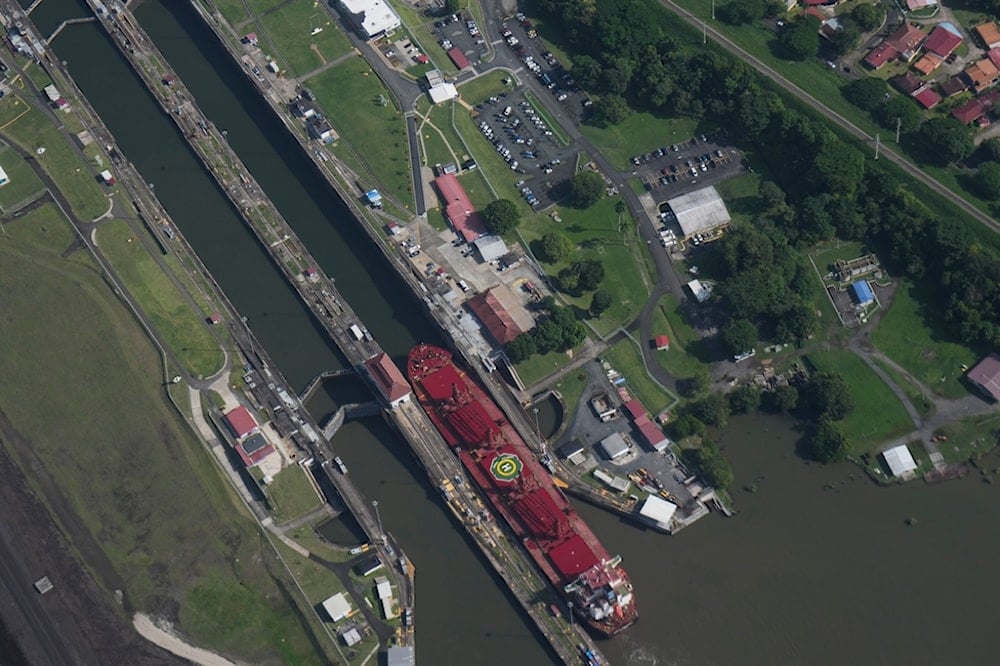
A ship transits the Pedro Miguel Locks of the Panama Canal in Panama City on August 14, 2026. (AP Photo/Matias Delacroix)
The Panama Canal will reduce the number of ships allowed to transit the strategic waterway from next month as severe drought driven by the El Niño weather phenomenon causes water levels to fall, the canal operator announced Thursday.
Starting September 3, the number of vessels permitted to pass through the canal each day will decrease from 36 to 34, according to the Panama Canal Authority. From September 15, the daily limit will fall further to 32 vessels.
The restrictions are being imposed because of low water levels in two artificial lakes that supply the canal. The authority warned that further reductions could be introduced depending on rainfall in the coming weeks.
El Niño intensifies drought in Central America
Central America is experiencing severe drought linked to El Niño, a climate pattern that warms surface waters in the Pacific Ocean and alters wind and rainfall patterns.
Rainfall in the Panama Canal watershed between May and August was 34% below its historical average, according to the canal authority, which warned that the El Niño phenomenon could further reduce precipitation.
The authority said the lower-than-expected rainfall required measures to support the waterway's “long-term sustainability.”
The canal has already introduced other water conservation measures, including reducing the maximum draft, or the depth to which vessels can sit in the water, for the largest ships.
Panama Canal carries 5% of global maritime trade
The Panama Canal handles around 5% of global maritime trade and approximately 40% of US container traffic. It is a key route for shipping between Asia and the US, particularly for major retailers and energy companies, because it can reduce both transportation costs and transit times.
The US, China, Japan, Chile and South Korea are among the canal's main users.
The authority said the upcoming reduction in daily transits will increase waiting times for ships seeking to pass through without a prior reservation. Around nine in 10 vessels using the canal have reservations, while the remaining transit slots are auctioned.
The value of those auctioned slots has surged during periods of high demand. Before the Iran war, the average winning bid stood at $135,000, while one shipping company paid $4 million in April to secure passage through the canal.
Drought previously caused major shipping bottleneck
The latest restrictions follow a severe water shortage in 2023, when falling lake levels forced the canal operator to reduce daily transits from 38 to 22.
The restrictions created a major backlog of vessels waiting to cross the waterway and forced shipping companies to seek alternative routes.
The canal authority has not ruled out additional restrictions this year if rainfall remains below the levels needed to replenish the lakes.
Water availability is particularly sensitive in Panama because the lakes that supply the canal also provide drinking water to around half of the country's 4.2 million people.
El Niño occurs on average every two to seven years, and the current weather event is developing into one of the strongest on record.
On Wednesday, the Honduran government placed 80% of the country under a drought alert as the wider Central American region continues to face severe water shortages.


