
Home remedies for canker sores: Science and triggers
 10 Min Read
This article maps home remedies for canker sores, explains what causes canker sores, SLS toothpaste risks, and diet changes to prevent canker sores.
-

From aloe vera to saltwater rinses, these home remedies for canker sores really work
The experience is universally dreaded: a sudden, sharp sting while eating something salty or acidic, followed by the discovery of a small, white ulcer on the inner lining of the cheek or lip. These lesions, medically known as aphthous ulcers or canker sores, are among the most common oral health complaints, affecting nearly one in five people at some point in their lives. While they are typically benign and self-limiting, healing on their own within one to two weeks, the discomfort they cause can be disproportionate to their size, making simple acts like speaking or chewing remarkably difficult.
Individuals often seek immediate relief not because the condition is dangerous, but because it disrupts daily life. The search for effective interventions leads many to traditional methods and kitchen staples. However, navigating the vast array of advice requires distinguishing between folk myths and painful mouth ulcer treatments grounded in physiological logic. Understanding what causes canker sores is the first step toward selecting remedies that do more than just temporarily numb the pain.
What canker sores are, and what they are not
Confusion often arises regarding the nature of mouth lesions, leading to unnecessary anxiety about transmission. It is crucial to establish that canker sores are not contagious. Unlike cold sores, which are caused by the herpes simplex virus and appear on the outside of the lips or face, canker sores occur exclusively inside the mouth, on the soft tissues of the cheeks, lips, tongue, or the base of the gums. They typically present as round or oval spots with a white or yellow center and a red border. Recognizing this distinction prevents the misuse of antiviral creams designed for cold sores, which have no effect on aphthous ulcers.
While the precise etiology of aphthous ulcers remains the subject of ongoing research, medical consensus points to a multifactorial origin rather than a single culprit. For many individuals, the appearance of a sore can be traced back to minor physical trauma, such as accidental cheek biting, aggressive brushing, or the friction of dental braces. However, internal factors frequently play a significant role.
Stress and hormonal fluctuations are widely documented triggers, often explaining why outbreaks occur during exam periods or high-pressure work weeks. Additionally, nutrient deficiencies (specifically in vitamin B12, zinc, folate, or iron) compromise the mucosal lining, making the mouth more susceptible to ulceration. Furthermore, sensitivities to certain foods or chemical irritants, such as sodium lauryl sulfate (SLS) found in many toothpastes, contribute to the recurrence of these lesions. Identifying what causes canker sores in a specific individual is often a process of observing these patterns over time.
Core home remedies for canker sores that are simple and evidence-informed
When an ulcer strikes, the primary objective shifts to symptom management and creating an environment conducive to repair. The most effective home remedies for canker sores are often the simplest, relying on ingredients that alter the pH of the mouth or reduce bacterial load. It is important to manage expectations: even the best remedies will not erase a sore overnight. Instead, the goal is to reduce inflammation and shorten the duration of pain. Readers looking for how to heal canker sores fast should understand that "fast" in this context typically means accelerating healing by a few days, rather than hours.
Safety remains paramount. One should never apply undiluted strong substances like aspirin or harsh salts directly to the sore, as this causes chemical burns that worsen the injury. A consistent approach using one or two gentle methods is generally superior to aggressively trying every available option.
Saltwater and baking soda rinses: the basic starting point
The gold standard for initial home care is the saline rinse. Dissolving one teaspoon of salt in a glass of warm (not hot) water creates a solution that cleanses the sore and draws out excess fluid, thereby reducing swelling. This ancient practice remains medically sound because it creates a slightly hypertonic environment that bacteria find inhospitable. It is normal to feel a brief sting, but the relief that follows is often substantial.
Alternatively, a baking soda rinse (one teaspoon of sodium bicarbonate in warm water) serves a different function: it neutralizes acids in the mouth. Since acidity often aggravates the exposed nerve endings in an ulcer, raising the pH can provide significant soothing effects. This method is particularly useful if the sore was triggered by acidic foods.
Honey and aloe vera for soothing and healing
Beyond simple rinses, topical applications can provide a protective barrier. Honey, particularly raw or unpasteurized varieties often found in local markets, possesses well-documented antibacterial and anti-inflammatory properties. Applying a small amount directly to the sore four times daily can reduce ulcer size and erythema. However, due to the risk of infant botulism, honey should never be used for children under one year of age.
Similarly, aloe vera gel is valued for its ability to soothe irritated mucous membranes. When applied to a canker sore, the gel forms a temporary coating that shields the raw tissue from friction and food particles. This can make the inevitable movements of the mouth less painful during the healing process.
Other natural options often used as home remedies for canker sores
For those seeking alternatives beyond kitchen staples, several natural therapies utilize plant compounds to support mucosal health. These options, while varying in the strength of clinical evidence supporting them, are widely utilized as home remedies for canker sores.
- Chamomile and Sage: Chamomile is frequently cited for its anti-inflammatory effects. A rinse made from strong, cooled chamomile tea may help calm inflamed tissue. Likewise, sage has a long history in traditional medicine for oral health; its astringent properties can help dry out and disinfect the sore.
- Specialized Supplements: DGL (deglycyrrhizinated licorice) is another notable option. Unlike standard licorice, DGL has the glycyrrhizin removed to avoid blood pressure issues, and when used as a mouth rinse dissolved in water, it coats the sores to provide relief. Additionally, ensuring adequate intake of vitamin B12 and zinc is crucial, as deficiencies here are known root causes for some sufferers.
- Herbal rinses and teas: chamomile, sage, and others: The ritual of brewing tea can be adapted for oral care. Using a cooled chamomile tea bag as a direct compress against the sore allows the plant's bisabolol content to work directly on the inflammation. Sage tea rinses operate on a similar principle, utilizing the herb's natural antiseptic qualities. In practice, one should swish the cooled liquid gently for roughly one minute before spitting it out. It is advisable to avoid alcohol-based herbal tinctures, which can sting intensely and dehydrate the tissue, delaying the natural healing process.
Probiotics, vitamins, and minerals: supporting the body from within
Healing is ultimately a systemic process. Emerging research suggests a link between the oral microbiome and the occurrence of ulcers. Consuming probiotic yogurt with live cultures may help balance the oral flora, potentially reducing the frequency of outbreaks. This aligns with broader diet changes to prevent canker sores, where the focus shifts from treating a symptom to supporting the body’s resilience. Furthermore, if sores are frequent, it may indicate a need to verify vitamin B12 and iron levels with a healthcare provider, as correcting a deficiency is often the only way to stop the cycle of recurrence.
-
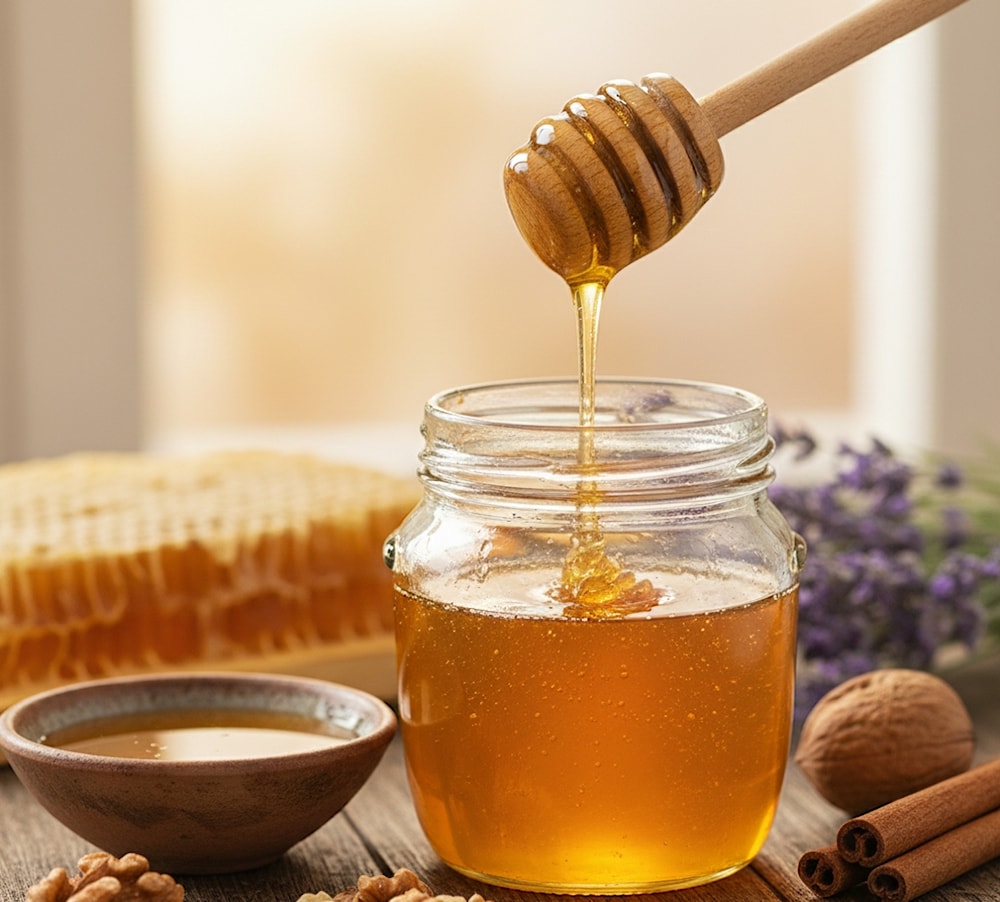
Learn how everyday ingredients can be used as home remedies for canker sores at home
Diet changes to prevent canker sores and reduce future flare-ups
Prevention is invariably more comfortable than a cure. For many sufferers, there is a clear correlation between their dietary choices and the onset of ulcers. Implementing diet changes to prevent canker sores begins with identifying and eliminating triggers. Common culprits include:
- Acidic foods: Citrus fruits, pineapples, and vinaigrettes can chemically erode the mucosal lining.
- Abrasive foods: Crusty breads, potato chips, and hard nuts often cause the micro-traumas that develop into sores.
- Spicy foods: While culturally popular, heavy spices can irritate susceptible tissues.
Conversely, incorporating foods rich in lysine, such as legumes, and ensuring a diet balanced in iron and B vitamins supports mucosal integrity. Keeping a food diary can be an illuminating exercise, revealing specific sensitivities (such as to gluten or chocolate) that might otherwise go unnoticed. Understanding what causes canker sores in one's personal diet is often the most powerful tool for prevention.
When an ulcer is present, the simple act of nourishment becomes a challenge. To navigate this, one should prioritize texture and temperature. Consuming foods that are lukewarm or cool is far less aggravating than hot meals, which increase blood flow and pain sensitivity. Soft, bland foods like yogurt, mashed potatoes, or soups allow the patient to eat without mechanical irritation. Furthermore, drinking through a straw can bypass the sore entirely, directing liquids away from the sensitive area; a small adjustment that can significantly improve comfort while waiting for how to heal canker sores fast strategies to take effect.
Oral care habits, SLS toothpaste, and other prevention strategies
The products used for daily hygiene can sometimes be the invisible saboteurs of oral health. A significant body of evidence suggests that sodium lauryl sulfate (SLS), the foaming agent found in most commercial toothpastes, strips the protective mucin layer of the mouth, leaving the underlying tissue vulnerable to irritants. Switching to an SLS-free toothpaste is a reasonable and often effective experiment for those plagued by recurrent sores. While this switch is part of broader diet changes to prevent canker sores and lifestyle adjustments, it specifically targets the chemical environment of the mouth.
Mechanical care is equally important. Using a soft-bristled toothbrush prevents accidental gouging of the gums and cheeks. Similarly, avoiding mouthwashes containing alcohol is critical, as these dry out the mouth and exacerbate pain. For those who wear orthodontic appliances, using dental wax to cover sharp brackets can prevent the friction that so often leads to ulceration.
-
Ease discomfort fast with simple home remedies for canker sores you can try today
While most cases are resolved with the patience and care outlined above, certain symptoms demand professional attention. Home care reaches its limit when sores persist for longer than two weeks, grow unusually large, or appear in clusters. Systemic signs, such as high fever or difficulty swallowing, suggest a more complex condition that requires medical intervention. In such cases, the pursuit of how to heal canker sores fast must transition to seeking a proper diagnosis. By combining evidence-informed home remedies for canker sores with professional oversight when necessary, individuals can manage this painful condition with confidence and clarity.


