
US pushes for deep social media checks on tourists
 3 Min Read
US Customs and Border Protection has proposed stricter vetting for visa waiver program travelers, including five years of social media history.
-
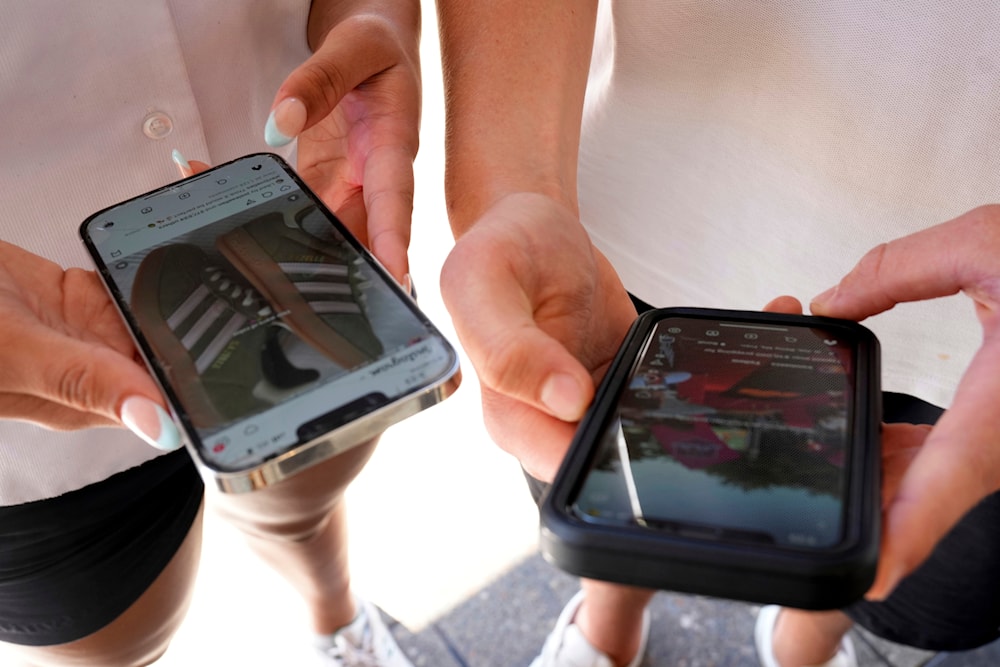
Young people use their phones to view social media in Sydney, on November 8, 2024. (AP)
Travelers from countries including Britain, France, Germany, and South Korea could soon face scrutiny of up to five years of their social media activity before visiting the United States, under a new proposal filed Tuesday by US Customs and Border Protection (CBP).
The proposal targets visitors eligible for the visa waiver program, which allows citizens from 42 countries to travel to the US for up to 90 days without a visa, provided they first obtain an electronic travel authorization.
If approved, applicants would be asked to provide extensive personal data, including social media handles, email addresses from the past decade, and detailed information about family members, including parents, spouses, siblings, and children.
Currently, travelers under the visa waiver program pay $40 to enroll in the Electronic System for Travel Authorization (ESTA), submitting only basic information such as email, phone number, and emergency contact. Authorization under the current system is valid for two years.
CBP’s proposed expansion mirrors existing measures for other visa categories, such as H-1B skilled worker visas and student and scholar visas. It also comes amid broader US plans to collect a new $250 visa integrity fee from many visitors, though travelers under the visa waiver program would be exempt.
Industry stakeholders were not consulted
The proposal has drawn criticism from the travel industry, which warned that increased vetting could discourage international tourism, including trips to major events such as next year’s World Cup. A travel industry official, speaking anonymously, described the plan as a “significant escalation” and noted that CBP had not consulted industry stakeholders prior to filing.
CBP has invited 60 days of public comment on the proposal. Immigration law firm Fragomen said implementation could occur gradually over the coming weeks and months, while Bo Cooper, a partner at Fragomen, described the social media screening as a “paradigm shift,” noting that the approach could deny travel based on online speech rather than verified criminal activity.
Sophia Cope, senior staff attorney at the Electronic Frontier Foundation, said the plan would “exacerbate civil liberties harms” without demonstrably improving security, while also chilling free speech and infringing on the privacy of innocent travelers and their American contacts.
Mirroring this measure, on December 15, 2025, the United States has made social media screening mandatory for all H-1B visa applicants and their dependents under the H-4 category, with applicants now required to disclose all social media handles used in the past five years and ensure their profiles are set to public for consular review.
This measure allows US consular officers to inspect applicants’ online activity, including posts, comments, connections, and employment history. The goal, according to the State Department, is to detect potential risks tied to disinformation, fraud, or affiliations with extremist content.
A similar rule was extended earlier in 2025 to students and exchange visitors under F, M, and J visas. Like H-1B holders, they are also required to list past online identifiers and open their profiles for review as a condition for visa processing.


