
'Israel' faces impasse in Lebanon, Iran amid Netanyahu's health woes
 3 Min Read
"Israel" faces mounting pressure in Lebanon as Hezbollah escalates attacks and concerns grow over Benjamin Netanyahu’s health and leadership capacity.
-
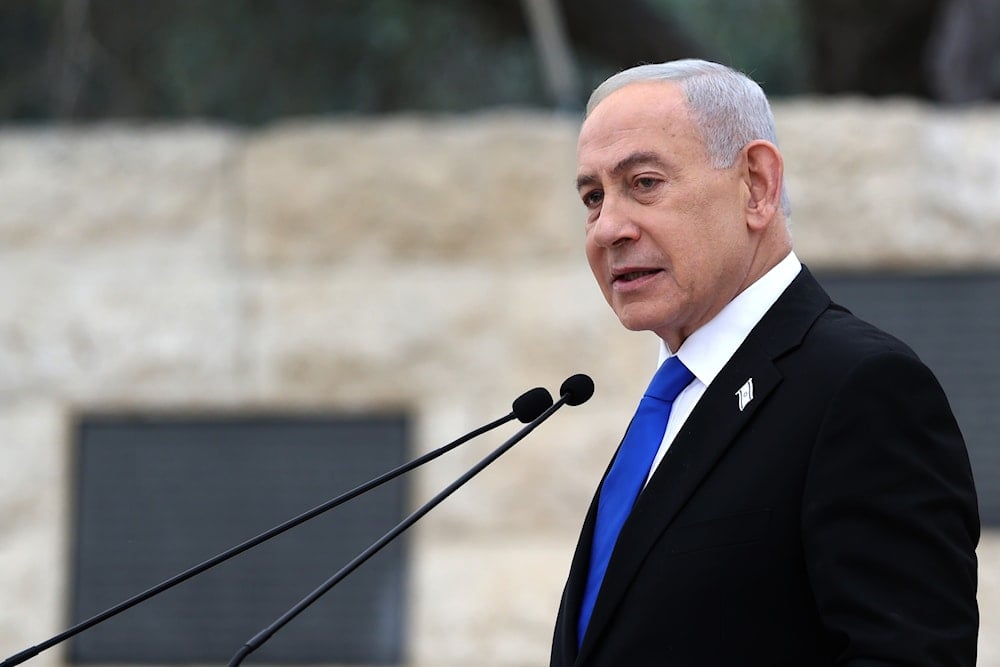
Israeli Prime Minister Benjamin Netanyahu attends a ceremony, occupied al-Quds, Palestine, April 21, 2026 (AP)
"Israel" is facing a growing impasse in its management of the ongoing war on Lebanon, as well as tensions involving Iran, Israeli newspaper Maariv reported.
According to the report, the situation is compounded by Prime Minister Benjamin Netanyahu undergoing complex medical treatments, which the paper claims have hindered the translation of what it described as “significant military achievements” into concrete political outcomes.
The newspaper noted a shift in the battlefield dynamic, stating that Hezbollah is now conducting sustained attacks against Israeli forces “from dawn until evening.” This, it said, has placed the Israeli military in a reactive posture, unable to initiate offensive operations.
Maariv further argued that decision-making is being influenced externally, claiming that US President Donald Trump is effectively steering developments, while "Israel’s" political leadership has limited ability to shape his decisions.
Maariv warned that the current trajectory may not be sustainable, highlighting what it described as a mounting challenge posed by Hezbollah. The paper pointed to growing concerns that continued escalation could exceed manageable limits, potentially overwhelming Israeli public opinion and creating broader instability.
In a related context, the report addressed Netanyahu’s health, stating that he is suffering from prostate cancer, which it described as a serious condition, particularly given his reportedly complex medical history, including prior heart issues and the implantation of a pacemaker.
Not the first time a prime minister conceals his sickness
The newspaper questioned his ability to rest adequately between treatments and raised concerns about potential side effects, psychological strain, fatigue, and possible memory lapses affecting decision-making.
Citing health correspondents, Maariv also alleged that Hadassah Medical Center sought to suppress information following reports that Netanyahu was receiving medical treatment.
The paper added that this would not be the first instance in which Israeli hospitals were accused of obscuring details about a prime minister’s health, describing such practices as concerning amid potential national security implications.
The report concluded by drawing historical parallels, noting that Netanyahu would not be the first Israeli leader to experience declining health during wartime while concealing it. It referenced former Prime Ministers Golda Meir during the October war, Menachem Begin during the 1982 invasion of Lebanon, who later withdrew from public life and resigned, as well as Ehud Olmert and Ariel Sharon.


