
Amazon says some Gulf data lost permanently after Iranian strikes: WSJ
 3 Min Read
Amazon Web Services says some customer data stored in Gulf facilities damaged during Iranian strikes cannot be recovered.
-
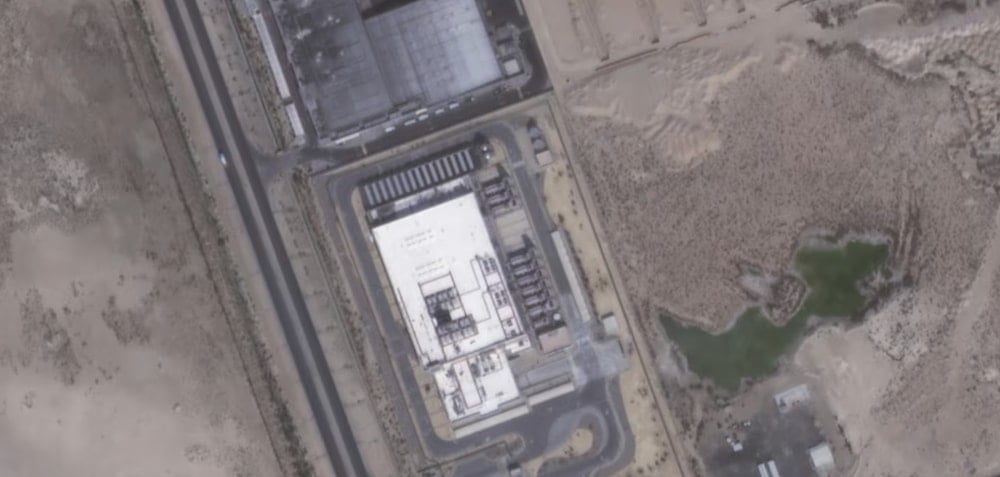
The Abu Dhabi AWS data center hit by an Iranian strike earlier this year. (Planet Labs PBC)
Amazon Web Services (AWS) has confirmed that some customer data stored in its data centers in Bahrain and the United Arab Emirates cannot be recovered following damage caused by Iranian drone strikes earlier this year, The Wall Street Journal reported.
The report said AWS facilities in the Gulf have remained largely offline since the attacks, with several data centers in Bahrain suffering extensive damage. Some information that was stored exclusively in affected locations has been deemed permanently inaccessible, including data held in AWS facilities across Bahrain and one availability zone in the UAE.
An availability zone refers to a group of independent data centers designed with separate power, cooling, and networking systems to improve reliability.
The incident marks a rare disruption for cloud infrastructure providers, which are typically built to withstand technical failures through backup systems and geographic redundancy.
“A cloud region losing customer data because of an airstrike—I don’t think that’s ever happened before,” said Doug Madory, head of internet analysis at cybersecurity firm Infoblox, according to the report.
US technology infrastructure caught amid regional conflict
The strikes came as Iran has repeatedly warned of the role of major US technology companies in supporting Washington’s military and intelligence infrastructure.
The IRGC previously warned US technology firms contributing to operations against Iran, naming companies including Microsoft, Oracle, Alphabet, and Nvidia.
The WSJ report said the damage to AWS facilities has raised concerns among Gulf states seeking to expand their role as global hubs for cloud computing and artificial intelligence.
“I just don’t think that they try to build these facilities to survive missile strikes,” Madory said.
Data loss raises questions over Gulf digital ambitions
Following the strikes, Amazon advised customers to move their workloads and data to other AWS regions, including locations in Europe and the United States.
AWS said the strikes caused fires, infrastructure damage, and power disruptions, while water used during firefighting efforts caused additional damage.
“We have supported the remaining customers in re-establishing their operations in alternate regions, using backups where available or implementing alternative solutions to mitigate the impact of inaccessible data,” Amazon said in an update cited by the newspaper.
The incident has prompted discussions over whether future data centers in the Gulf would require additional protection, including underground facilities and enhanced defenses against drone threats.
Despite the damage, major technology companies continue to pursue expansion plans in the region, with Amazon and Microsoft moving forward with data center projects in Saudi Arabia.
AWS said it remains committed to supporting customers in Bahrain and will provide another update in early 2027.
Read more: New images show damage from Iranian strikes on US-linked Gulf sites


