
Araghchi: Memorandum agreement has never been closer between US, Iran
 4 Min Read
Iranian Foreign Minister Abbas Araghchi says Tehran and Washington have never been closer to reaching a memorandum of understanding, signaling progress in ongoing negotiations while urging caution against media speculation.
-
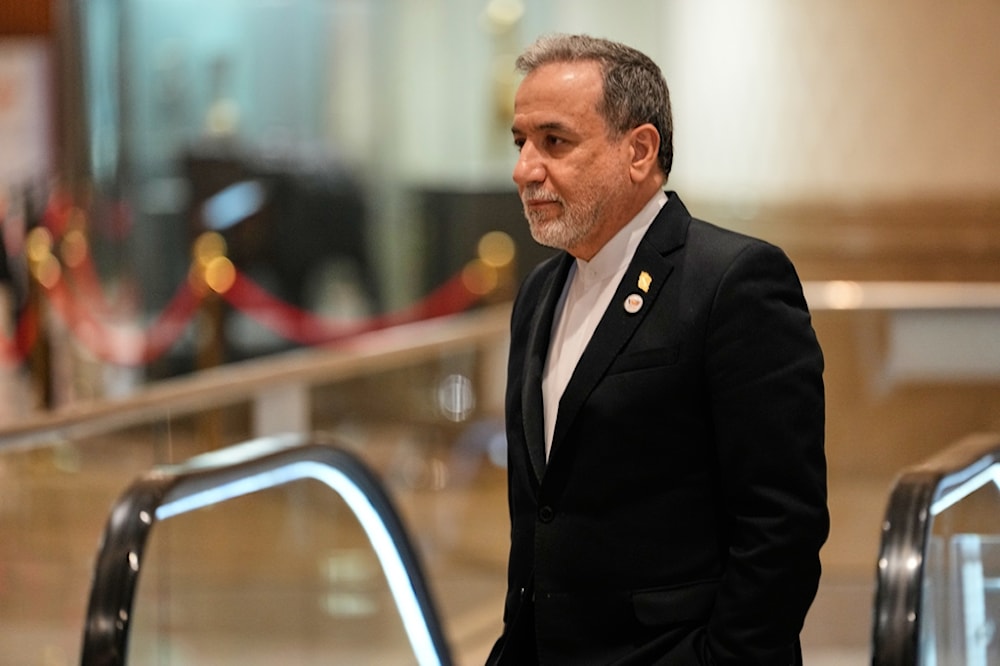
Iranian Foreign Minister Abbas Araghchi arrives for a meeting during the two-day BRICS summit in New Delhi, India, Thursday, May 14, 2026. (AP Photo/Manish Swarup)
Iranian Foreign Minister Abbas Araghchi said Friday that Tehran and Washington are closer than ever to reaching a memorandum of understanding, signaling potential progress in ongoing negotiations between the two countries.
In a post on X, Araghchi said the proposed memorandum has "never been closer" to completion, while cautioning against speculation regarding its contents before the document is finalized.
“The memorandum of understanding has never been closer. Pending its finalization, the media should refrain from entering speculation about its content,” Araghchi wrote.
The Islamabad Memorandum of Understanding has never been closer. Pending its finalization, the media should refrain from entering speculation about its content.
— Seyed Abbas Araghchi (@araghchi) June 12, 2026
In line with our responsible and transparent approach, all details will be shared with the public in due course.
He added that Iran would continue its policy of transparency regarding the negotiations and pledged that details of any finalized agreement would be shared with the public in due course.
Araghchi's remarks come amid intensified diplomatic efforts between Tehran and Washington to reach a framework agreement, with reports indicating that negotiators are working to resolve remaining differences over key political, economic, and nuclear-related issues.
His comments also follow growing speculation about an imminent breakthrough after US President Donald Trump said Thursday that a deal with Iran could be finalized soon, although Iranian officials have maintained that no draft memorandum has yet been formally approved.
Details of potential Iran-US draft MoU
Earlier today, Tasnim News Agency reported, citing informed sources, that Iran has rejected recent US military and diplomatic pressure aimed at forcing changes to Tehran's 14-point proposal.
The sources said Iran refused to accept amendments proposed by Washington despite direct US pressure and efforts conveyed through Qatari mediation involving US President Donald Trump.
According to the report, the United States later informed the Qatari mediator that it was withdrawing its proposed amendments, deeming them unnecessary in light of ongoing discussions.
The sources stressed, however, that no agreement has been finalized, noting that the draft memorandum of understanding must still undergo formal review and receive approval from Iran's relevant institutions. They added that reports suggesting a completed deal are premature.
Framework of proposed memorandum
Separately, Mehr News Agency reported that the proposed memorandum establishes a framework under which future negotiations would focus exclusively on nuclear and economic issues, explicitly excluding Iran's ballistic missile program.
According to the report, the draft includes a series of reciprocal commitments. Washington would be expected to lift secondary sanctions, end restrictions affecting Iranian ports, withdraw military forces from areas surrounding Iran, and support the reopening of maritime trade routes through the Strait of Hormuz.
The report also stated that the framework provides for the lifting of oil-related sanctions and the phased release of $24 billion in frozen Iranian assets, with a portion of the funds reportedly becoming available before the start of formal negotiations.
Nuclear talks to focus on three issues
Meanwhile, Iran's official news agency IRNA published additional details regarding the reported memorandum, describing it as a carefully drafted text designed to prevent either side from reinterpreting or avoiding its obligations.
According to IRNA, the memorandum itself would not constitute a final nuclear agreement. Instead, it would establish a 60-day negotiating period focused on three issues: the future of Iran's peaceful nuclear program, the lifting of US sanctions, and mechanisms for compensation.
The agency said Iran would not undertake new commitments under the memorandum and emphasized that issues unrelated to the nuclear file, including Iran's missile capabilities, would not be included in the negotiations.
IRNA also reported that discussions concerning the Strait of Hormuz would be addressed through a separate regional framework involving Iran and Oman rather than through the memorandum itself.
Regional issues and frozen assets
According to the agency, one of the memorandum's broader objectives is to reduce regional tensions and end ongoing conflicts. IRNA stated that the United States would be required to pressure "Israel" to end its wars in the region, including the war on Lebanon, while rejecting language referring to an extension of existing ceasefires.
The report further stated that some frozen Iranian assets would be released immediately upon signing, with additional funds unlocked gradually throughout the negotiation process. Mechanisms related to compensation and the broader lifting of sanctions would be negotiated during the subsequent 60-day talks.
The reports come amid growing speculation about a potential breakthrough in US-Iran negotiations, with Iranian officials continuing to insist that no final agreement exists until the proposed memorandum receives formal approval from the country's governing authorities.


