
Araghchi: US-Iran talks ongoing, agreement claims are 'speculation'
 3 Min Read
Iranian Foreign Minister Abbas Araghchi denies reports of progress in talks with the US, saying negotiations are still ongoing and outcomes remain undecided.
-
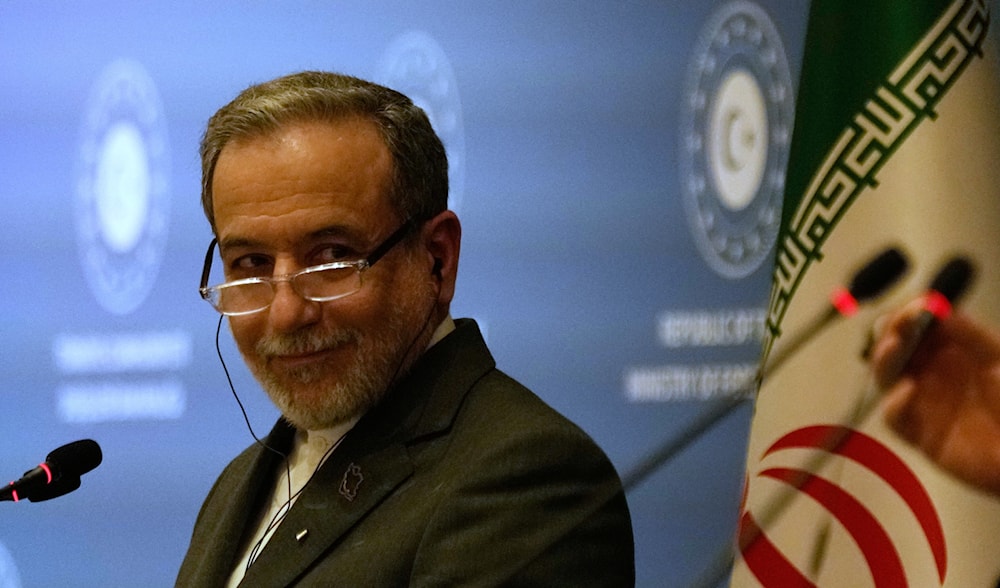
Iranian Foreign Minister Abbas Araghchi, looks at his Turkish counterpart Hakan Fidan during a joint press conference in Istanbul, Turkey, Jan. 30, 2026 (AP)
Iranian Foreign Minister Abbas Araghchi said on Sunday that exchanges of messages and discussions with the United States are still ongoing, stressing that no final results have been reached and that much of the information circulating is “speculation.”
Speaking to Iranian state television, Araghchi said the negotiations remain open and inconclusive. “Talks and message exchanges are ongoing, and until we reach a specific result, no judgment can be made. Everything being said now is merely speculation and should not be taken seriously,” he said.
Iran’s Tasnim News Agency, citing informed sources, reported that both sides continue to exchange amendments to a proposed draft agreement, without agreeing on a final version or a complete framework.
The sources said discussions remain in the stage of exchanging comments and revisions, adding that negotiations continue over several key points of disagreement that have yet to be resolved.
Trump moves from escalation to negotiation?
As for the US side, the Trump administration is reportedly shifting toward talks with Iran after months of military escalation, with President Donald Trump facing criticism that the operation failed to meet its objectives, according to The Guardian.
Foreign policy analyst Robert Kagan, writing in The Atlantic, argued that Donald Trump’s approach to the Iran war amounts to a strategic retreat, suggesting the US president is seeking to manage the appearance of defeat while stabilizing markets through resumed oil flows via a reopened Strait of Hormuz.
The article also notes growing unease among Republican hawks, including Senators Lindsey Graham, Ted Cruz, Roger Wicker, and former Secretary of State Mike Pompeo, who have warned against any deal that would allow Iran to retain uranium enrichment capabilities. Their concerns come as Trump reportedly described negotiations as “95% negotiated.”
Kagan contrasted these developments with Trump’s earlier justification for military action, when he framed the war as a response to threats from Iran and openly called for regime change and internal unrest within the country.
Iran ready to endure hardships, defend dignity at any cost
In a separate development, Iranian President Masoud Pezeshkian said the government remains committed to managing the country's affairs with stability and resilience, stressing that Tehran is prepared for various future scenarios and challenges.
Speaking during a cabinet meeting, Pezeshkian emphasized the importance of strengthening national unity, social participation, and realistic governance to ensure the continuity of state administration under current conditions.
He says the challenges facing Iran are complex, pointing to ongoing external pressures and restrictions that have created difficulties in managing the country. Nevertheless, he said the government is making every effort to navigate the situation while minimizing costs and potential damage.
Government preparing for all possible scenarios
Pezeshkian stated that the administration is developing policies and strategies to respond to any new developments that may emerge, stressing that the government will continue serving the Iranian people and managing the country's affairs with determination.
He added that government officials are prepared for all possibilities, whether that means continuing resistance and enduring hardships or paying a high price in defense of Iran's dignity and national interests.
"The lives and responsibilities of officials are no more valuable than the lives of the martyrs and the people who sacrificed themselves in defense of their country and principles," Pezeshkian said.


