
Chevron in talks with US for expanded Venezuela oil license: Reuters
 4 Min Read
Chevron seeks to expand its Venezuela oil license to boost crude exports, as PDVSA negotiates with Washington amid ongoing US sanctions.
-
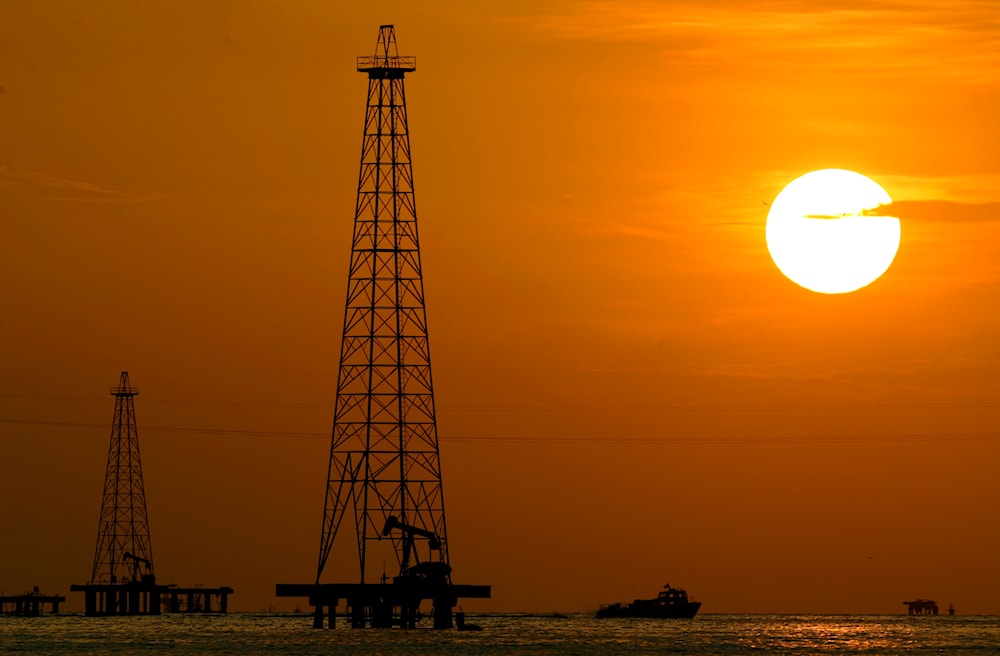
Oil drills in Maracaibo Lake in Venezuela's oil-rich Zulia state on November 30, 2006. (AP Photo/Leslie Mazoch, File)
Chevron is currently engaged in negotiations with the US government to expand its license to operate in Venezuela, in an effort to increase exports of Venezuelan crude to its own refineries and potentially to other global buyers, according to four sources close to the discussions.
Sources to Reuters on Thursday reported that the talks reflect a broader shift in US policy toward Caracas, as Washington and Venezuelan officials advance in negotiations to supply up to 50 million barrels of Venezuelan oil to the United States. The expansion would allow Chevron to resume previous export levels, which had reached 250,000 barrels per day (bpd) before sanctions were tightened.
Chevron remains the only US oil major authorized to operate in Venezuela, under a license exempting it from sanctions. According to the Reuters report, a broader license would enable the company to supply Venezuelan crude to former business partners, some of whom, including an Indian refiner, have reportedly made inquiries in Caracas about resuming shipments.
Venezuela’s state energy company, PDVSA, said on Wednesday that it was making progress in negotiations with the US regarding oil exports. The terms under discussion are said to mirror those already in place for Chevron.
In a statement, PDVSA emphasized that the process is based on "strictly commercial transactions under terms that are legal, transparent and beneficial for both parties." A member of the PDVSA board added that the company expects to sell its oil at market prices.
The report mentioned that US officials stated that proceeds from Venezuelan oil exports will be handled by a US-overseen trustee and are intended to finance supplies of US goods to Venezuela. This structure is designed to maintain compliance with the existing unilateral sanctions regime while allowing limited commercial engagement.
Sanctions shape the US-Venezuela oil dynamic
The Trump administration had previously tightened sanctions in a campaign to apply pressure on Venezuelan President Nicolas Maduro. In July, Washington imposed additional restrictions on Chevron's license, reducing crude exports to the US to around 100,000 bpd.
According to the report, these restrictions also ensured that PDVSA would not receive any direct proceeds from Chevron's exports. However, the proposed license expansion would not only restore Chevron’s export volumes but also allow the allocation of cargoes to destinations outside the US, as was common before the imposition of sanctions.
Despite ongoing talks, the US continues to enforce its oil embargo on Venezuela. On Wednesday, US authorities illegally seized two tankers linked to Venezuela in the Atlantic Ocean.
Return of former buyers signals broader interest
Chevron’s potential resumption of broader crude exports has sparked interest among former trade partners. Sources said that some of the company’s previous buyers, including firms from India, are already inquiring about future loadings at Venezuelan ports.
This interest may indicate a potential reactivation of Venezuela’s role in the global oil supply chain, contingent on further easing of US restrictions and broader international recognition of the new export frameworks under negotiation.
In addition to Chevron, US officials are seeking to involve other oil companies in Venezuela’s export operations. These include refiner Valero Energy, formerly a PDVSA customer, as well as Exxon Mobil and ConocoPhillips, both of which had assets in Venezuela expropriated two decades ago.
According to three separate industry sources cited by Reuters, the potential participation of these firms has introduced tensions into the negotiations between Caracas and Washington. As of Wednesday, none of the companies, Chevron, Valero, Exxon, or Conoco, had responded to requests for comment.
A spokesperson for the US Treasury stated, "While we do not comment on specific licenses or licensing requests, the United States Treasury is fully committed to supporting President Trump’s efforts on behalf of the people of Venezuela."


