
Dispute over Iran disrupts US presidency of UN Security Council
 2 Min Read
Russia and China block approval of the US Security Council agenda over an Iran sanctions meeting, disrupting Washington’s March presidency.
-
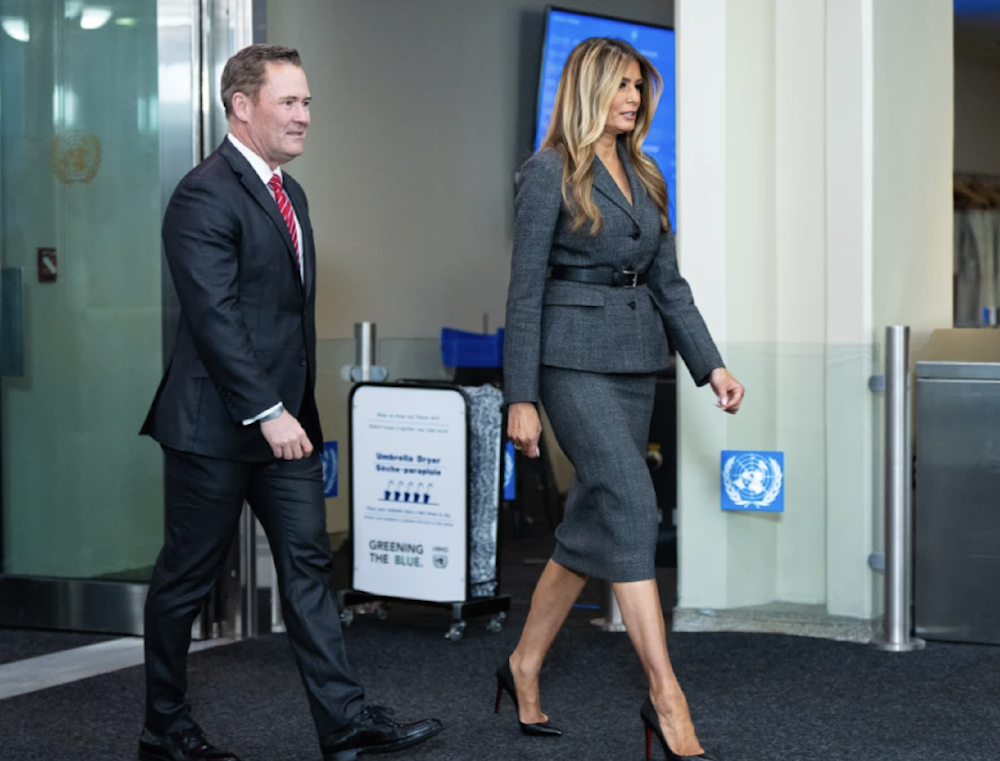
Melania Trump, first lady of the United States, arrives with US Ambassador Mike Waltz to preside over a United Nations Security Council meeting at United Nations headquarters on March 2, 2026 (AP)
A dispute over Iran has disrupted the start of the United States’ rotating presidency of the UN Security Council for March, diplomats said.
According to three diplomats familiar with the negotiations, Russia and China blocked approval of the Trump administration’s proposed program of work because it included a meeting on Iran.
Agenda approval process stalled
Under normal procedure, ambassadors from the Council’s 15 member states meet on the first day of a new presidency to approve the monthly agenda, after which the presiding country holds a press conference outlining its priorities. That process did not take place.
The diplomats, speaking on condition of anonymity due to the private nature of Council discussions, said the disagreement centered on a US-proposed meeting addressing sanctions on Iran. Moscow and Beijing argue that the sanctions were reimposed unlawfully last year.
The diplomatic standoff comes amid heightened tensions following US and Israeli strikes on Iran and subsequent retaliatory actions.
Despite the impasse over the monthly agenda, an already scheduled Security Council meeting on children in armed conflict proceeded on Monday, presided over by US First Lady Melania Trump.
“Mrs. Trump’s leadership will mark the first time a sitting U.S. First Lady presides over the Security Council as members consider education, technology, peace, and security,” the First Lady’s office said in a press release last month.
It is worth noting that prior to her husband's election campaign in 2016, Melania Trump had no formal background in politics, as her professional life centered around fashion. She described herself as "political in private" and that "policies" are her husband's job.
The episode underscores deep divisions within the Council as geopolitical tensions surrounding Iran continue to reverberate through international institutions.


