
Exclusive: Iran rejects US terms, signals no compromise on sovereignty
 2 Min Read
Iran has rejected a US 15-point proposal conveyed via mediators, insisting it will not negotiate under coercive conditions and that any resolution to the war must be based on its own terms and recognition of its sovereignty.
-
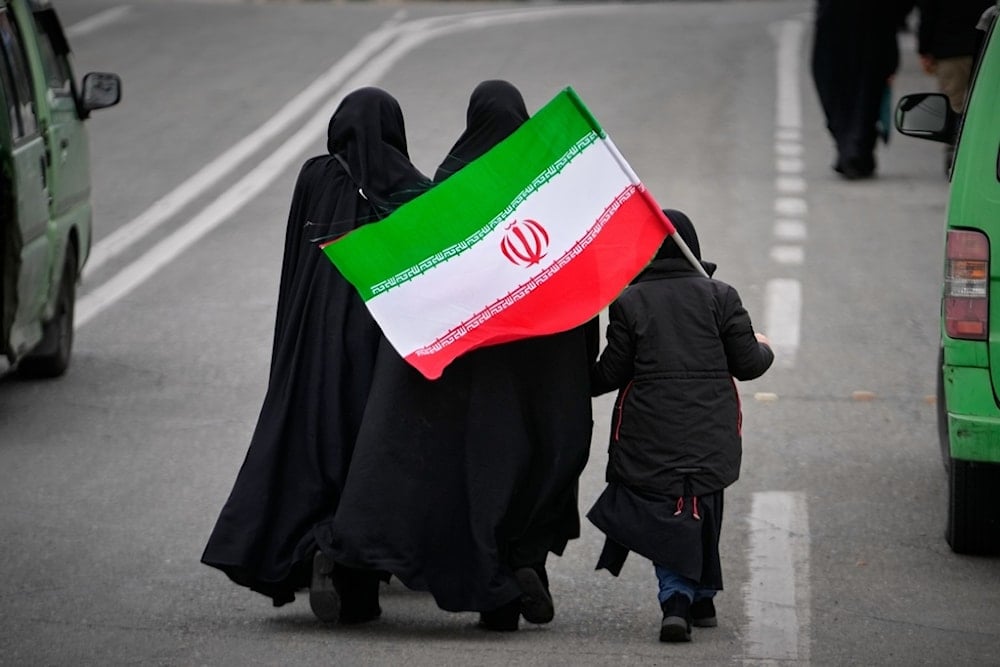
Two women and a child holding an Iranian flag walk toward the Imam Khomeini Grand Mosque to attend Friday prayers in Tehran, Iran, Friday, March 20, 2026 (AP Photo/Vahid Salemi)
A well-informed Iranian political-security source told Al Mayadeen that Tehran has formally informed Pakistan that it cannot accept the 15 clauses contained in the US proposal, which was transmitted through mediators as part of ongoing diplomatic efforts.
The source added that proposals submitted by US Special Envoy Steve Witkoff were not even among Tehran’s priorities for discussion, suggesting that Iran does not view the initiative as a serious or credible basis for negotiations. According to the same source, this stance is unlikely to change.
The US plan, modeled on a similar proposal presented last year, reportedly calls on Iran to make far-reaching concessions, particularly regarding its nuclear and missile programs, in exchange for halting its retaliation and reducing escalation.
Iranian officials, however, view such demands as coercive, arguing they attempt to impose political and strategic outcomes under the pressure of ongoing military aggression.
Given that the war was initiated by Washington and "Israel", Iranian officials maintain that any attempt to impose conditions on Tehran’s response amounts to a reversal of responsibility, where the aggressor dictates the terms of de-escalation.
Within this framework, Tehran asserts that the war will only end on its own terms, with Iranian officials insisting that no settlement can be reached unless their conditions are met and their sovereignty fully recognized.
Pakistan hosts talks
In parallel, Pakistan has positioned itself as a potential venue for dialogue. Prime Minister Shehbaz Sharif announced his country’s readiness to host talks aimed at ending the war, stating that Islamabad would be “honored” to facilitate a comprehensive settlement, pending agreement from both Washington and Tehran.
Officials at Pakistan’s Foreign Ministry also indicated that a US delegation is expected to arrive in Islamabad within days for potential discussions, suggesting renewed diplomatic movement despite the widening gap between the two sides.
Despite these mediation efforts, Iran’s messaging remains consistent: it is not the party that initiated the war and will not negotiate under coercive conditions. Iranian state media has pointed to initiatives by regional actors to reduce tensions, while stressing that responsibility for escalation lies with Washington.
Read more: Pakistan PM backs Iran’s right to self-defense amid tensions


