
Officials say Witkoff contacted Iran via Pakistan in US outreach
 4 Min Read
Three foreign officials say Trump’s envoy Steve Witkoff reached out to Iran via Pakistan and regional intermediaries, offering a 15-point proposal, to push demands on its nuclear and uranium enrichment program, amid disputed claims of ongoing talks.
-
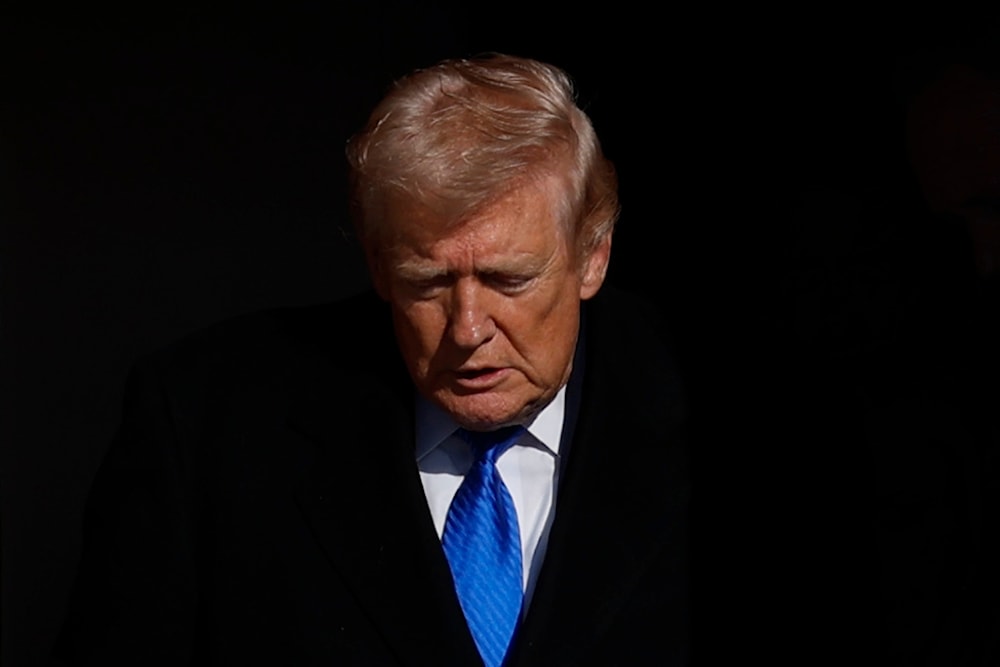
President Donald Trump disembarks Air Force One upon his arrival at Joint Base Andrews on March 23, 2026.(AP)
The widening gap between US President Donald Trump’s claims and Iran’s denials highlights growing uncertainty over the trajectory of the war, and who, if anyone, is in control of it.
Trump said ongoing talks with Iran could lead to a breakthrough that may end the ongoing war, which he started alongside Israeli Prime Minister Benjamin Netanyahu, while stressing that no outcome is guaranteed and options remain open if talks fail.
A report by The Atlantic on Monday stated that Trump’s Middle East envoy, Steve Witkoff, has been in contact through regional intermediaries, including Pakistan, in an attempt to pressure Tehran into accepting demands related to its nuclear program.
Reports indicate that a 15-point proposal, based on previous discussions, was presented to Iran, aiming to secure concessions and avoid further escalation. Discussions also involve Vice President JD Vance, who reportedly spoke with Netanyahu about restarting negotiations and may participate in future talks.
War without a clear exit
According to advisers cited by The Atlantic, Donald Trump had previously been urged not to issue ultimatums or set deadlines that the United States might struggle to enforce, a recommendation he followed for a time, even as his rhetoric toward Tehran intensified. However, he grew increasingly frustrated late last week after Iran effectively closed the Strait of Hormuz and refused to reopen it despite sustained US and Israeli airstrikes.
By Saturday, Trump was reportedly angered by NATO allies’ refusal to help secure the Strait, as well as mounting criticism and negative media coverage over his reaction to the death of Robert Mueller, according to advisers familiar with his mental state over the weekend. That same night, he issued a 48-hour ultimatum to Iran.
Iran showed no indication of backing down, while some of Trump’s advisers and regional allies cautioned that targeting Iran’s energy infrastructure could prove counterproductive. They warned such strikes might prompt Tehran to retaliate against US interests in neighboring countries.
A former US administration official told The Atlantic that the mere prospect of renewed talks provided Trump with political cover to extend his self-imposed deadline, while also buying time to weigh more significant military options, including the potential deployment of ground troops.
At the same time, US allies have remained hesitant to fully commit militarily, amid growing concerns that further escalation could destabilize the region and trigger wider consequences, including refugee flows and increased violence.
Despite claims of progress, the situation remains deeply uncertain: Iranian officials deny that any talks are taking place, military strikes continue, and the Strait of Hormuz remains under pressure. The result is a war shaped as much by competing narratives as by developments on the ground, leaving its trajectory unresolved and increasingly unpredictable.
Trump touts Iran talks as Tehran flatly denies them
As oil markets reacted to tensions in the Strait of Hormuz, Trump stated on Monday that ongoing talks with Iran are “very, very strong,” and said there were “major points of agreement,” adding that a successful deal could “end that problem, that conflict, and… end it very, very substantially.”
He added that a deal with Iran remains a strong possibility, though not certain, a tactic he has followed whenever the US has been involved in talks with another party as a means of pressuring them. “All I’m saying is… there is a real possibility of making a deal,” Trump said, noting that he would “bet” on an agreement if negotiations proceed, while stopping short of offering any guarantees.
On regional implications, Trump said the Strait of Hormuz could reopen “very soon” if an agreement is finalized, highlighting the strategic importance of the waterway to global energy flows. However, he warned that failure in the talks would keep military options on the table, stating that the United States would “just keep bombing” if talks collapse.
However, Iran's parliament speaker, Mohammad Bagher Ghalibaf, denied on Monday rumors being spread about negotiations happening between Iran and the US.
"No negotiations have been held with the US, and fake news is used to manipulate the financial and oil markets and escape the quagmire in which the US and Israel are trapped," Ghalibaf said in a statement published on X.


